



 Google reviews

Stacks above Grove Road and the crossroads
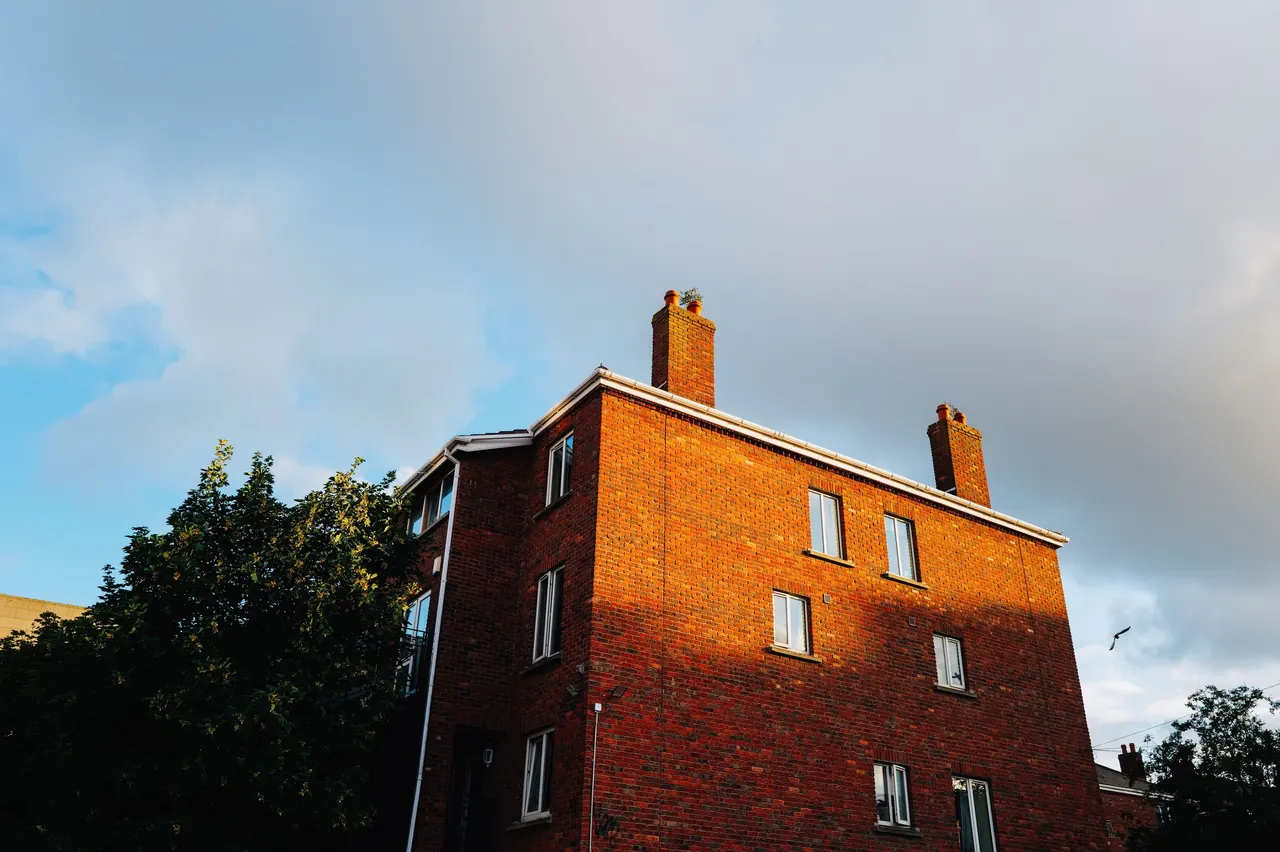
Grove Road meets the High Street near the station end, where Mitre House, built in the early 1930s, holds the corner. A little further along, 13 to 15 Grove Road is a late Victorian building of three storeys: a shop at ground level and two floors of flats above. Both of its buildings carry elaborate chimney stacks.
Stacks on buildings like these are hard to look after. They sit on top of a three-storey wall, so they are often the tallest and most exposed thing on the block. They catch wind from every side. And because most of the street is pedestrianised and the stack is set back from the front, almost nobody sees it from one year to the next. Many no longer serve working fireplaces, but they still have to keep the rain out of the flats below.
Ornate brickwork and the right mortar
Decorative stacks have more joints, more projecting courses and more places for water to sit than a plain one. The usual faults follow from that:
- Mortar washes out of the joints on the weather side, and water soaks into the brick and down into the top flat.
- The mortar bed holding the pots on top cracks and lets go, and a pot starts to lean.
- The lead flashing where the stack meets the roof lifts as the mortar holding it into the brickwork crumbles. On slate roofs the soakers under the slates matter as much as the visible lead.
- Plants such as buddleia seed into open joints and widen them as they grow.
On Victorian brickwork, repointing should be done in a mortar that suits the original, usually a lime-based mix. A hard cement pointing can trap water in the bricks and make the faces spall, which on a decorative stack means losing the very detail that makes it worth keeping. We rake out to a sound depth and repoint, rebed pots in new flaunching, and renew lead where it has failed.
Working on a stack above a shop
We start by looking. A drone flight gives close photographs of the stack, the pots, the flaunching and the flashing on all four sides, so we know what is wrong before deciding what access is needed. Our town centre roof inspection can include the stacks if you want the whole roof looked at.
Smaller jobs, such as refixing a length of flashing or resetting a pot, can often be done from roof ladders with proper safety equipment, reached from the rear. Full repointing or re-leading of a tall stack usually needs a chimney scaffold, and above a shop that is planned with the tenant so the entrance stays clear. If the slates around the stack need attention too, our roof repairs can be done on the same visit.
As a national guide, MyJobQuote's chimney leadwork cost guide lists a flashing patch repair at £150 to £250 and full leadwork replacement at £350 to £460 before scaffolding, which on a three-storey building is a large part of the total. For year-to-year checks, our chimney maintenance guide is a useful list.
Frequently asked questions
Can an ornate stack like those on Grove Road be repaired without losing the detail?
Yes, in most cases. Decorative courses can be repointed and loose bricks reset in place, and damaged special bricks can sometimes be matched. We photograph the stack first so any detail that has to come down goes back the way it was.
A chimney pot above a High Street shop looks like it is leaning. How urgent is that?
Treat it as urgent. A pot falling three or four storeys onto a busy pavement is dangerous, and our emergency roof repair line covers it. Keep the area underneath clear until it has been made safe.
Can the flats stay occupied while a chimney scaffold is up?
Yes. The scaffold is built around the stack from the roof, and the work is outside. We agree any access through the building with the residents and the freeholder beforehand.
Why does water appear in the top flat only when the wind blows from one direction?
That usually points to the weather side of the stack: open joints or failed flashing on the face the rain is driven against. The photographs normally make it clear which face it is.





