



 Google reviews

Lead against a pantile's curve
Damp on the chimney breast upstairs, or a wet patch in the loft beside the stack, is the usual reason to look. The LCC roofed the St Helier estate in pantiles or slate, and that choice shapes chimney work more than anything else about these houses. We have not found a published record of how the stacks were arranged across the estate, and since the 1930s some have been rebuilt, some reduced and some removed, so we look at your stack rather than assume.
Where a stack rises through a pantile roof, the lead flashing down each side has to be dressed into the deep rise and fall of the tiles. On a flat tile or slate, a stepped flashing and soakers make a neat seal. On a pantile, the lead has to be shaped into every curve, and if it was not, or if the tiles beside the stack were later replaced with a different profile, there are gaps that only open in wind-driven rain. A low pitch makes it worse, because water moves past the stack slowly and has longer to find a way in.
The fix is usually new lead, cut and dressed properly to the tile profile, with the top edge set into a raked-out mortar joint in the stack. Flashing tape and sealant over the old lead look tidy from the ground but rarely last long.
Slate roofs and the back gutter behind the stack
On the slate-roofed houses, and on any stack that sits partway down a slope rather than on the ridge, the uphill side of the chimney matters most. Water running down the roof meets the stack and has to be turned aside by a back gutter, a lead tray shaped to carry it round. If that lead has split, slipped or been patched, water collects behind the stack and finds its way into the loft. Damp on the uphill side of the stack after heavy rain usually points here.
The top of the stack is the other weak spot. The mortar bed holding the pots, the flaunching, cracks with age and frost. Pots work loose, pieces of mortar end up in the gutter, and an open, unused flue lets rain straight down inside. Renewing the flaunching, resetting the pots and fitting a cowl or cap to a flue that is no longer used deals with that. Crumbling joints in the brickwork are repointed.
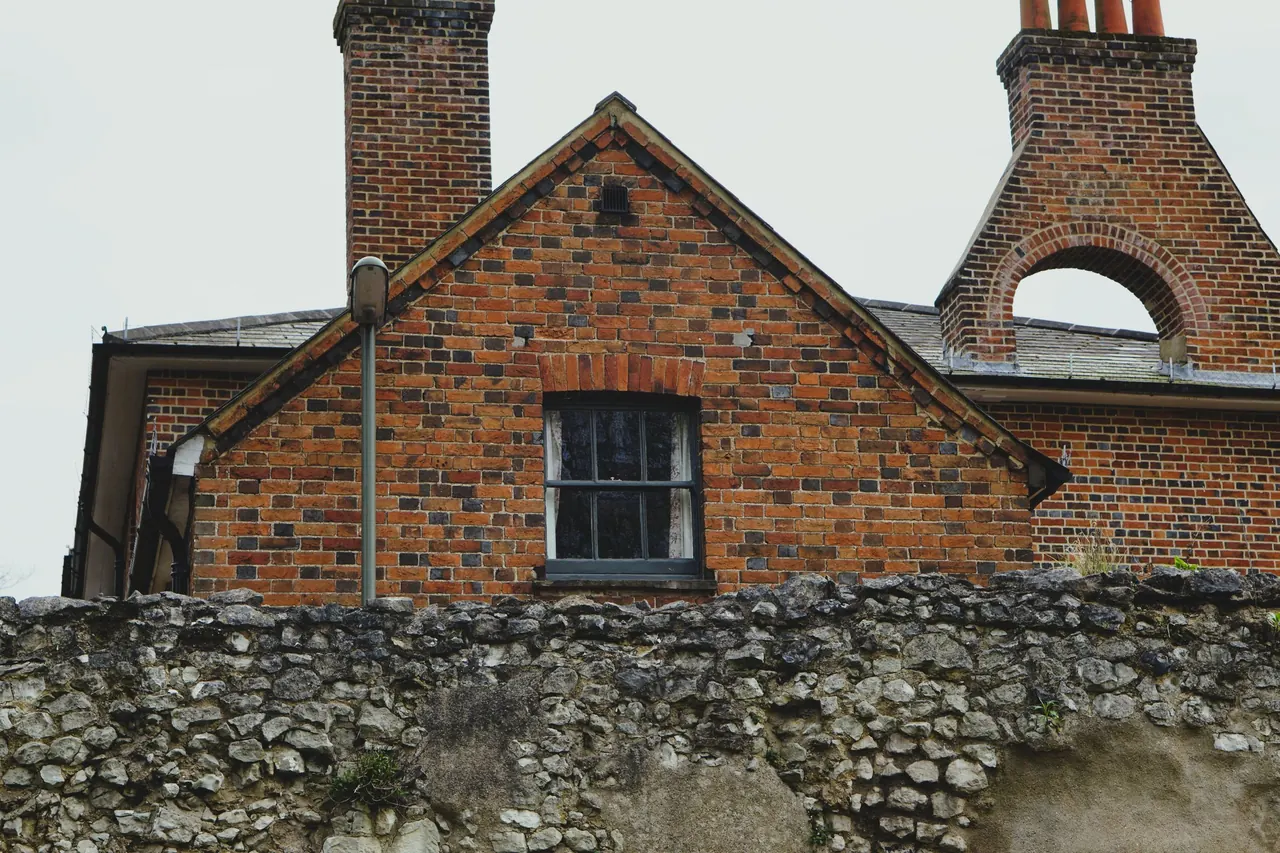
Where the stack meets the house next door
Where a stack on a terrace stands on the party wall, one side of the lead may serve your house and the other next door, which may be rented from the council. A drone photographs the flashing, the back gutter, the pointing and the pots close up before anyone goes on the roof, which shows which side has failed and gives both households the same evidence. For work on a party wall stack, the Party Wall etc. Act 1996 explanatory booklet explains when notice is needed for work on it.
If the damp turns out to come from the tiles around the stack rather than the stack itself, it becomes a St Helier roof repair instead. Planning to alter the stack rather than repair it? The local rules are summarised on our roof installation page for the estate. One national benchmark: MyJobQuote's chimney leadwork cost guide lists £150 to £250 for a flashing patch repair where no scaffolding is needed. Each chimney job is described in more depth under chimney repairs.
Frequently asked questions
The lead around the chimney on our St Helier pantile roof has been covered in flashing tape. Is that a proper fix?
Not for long. Tape over old lead hides the gaps rather than closing them, and on a pantile roof it rarely follows the curve of the tiles. Replacing the lead and dressing it to the tile profile is the lasting repair.
The pantiles beside our stack were replaced with a different profile. Does the lead need redoing?
Very likely. Lead dressed to the old tile will not sit tight against a new profile, and the gaps open in wind-driven rain. New lead shaped to the tiles now on the roof closes them.
Our stack sits between our house and next door, which is council rented. Who sorts out the leadwork?
That depends on who owns which part of the stack, which your deeds or the council can confirm. The drone photos show which side has failed, so if the fault is on theirs, your neighbour has something to send to the council as landlord.





