



 Google reviews

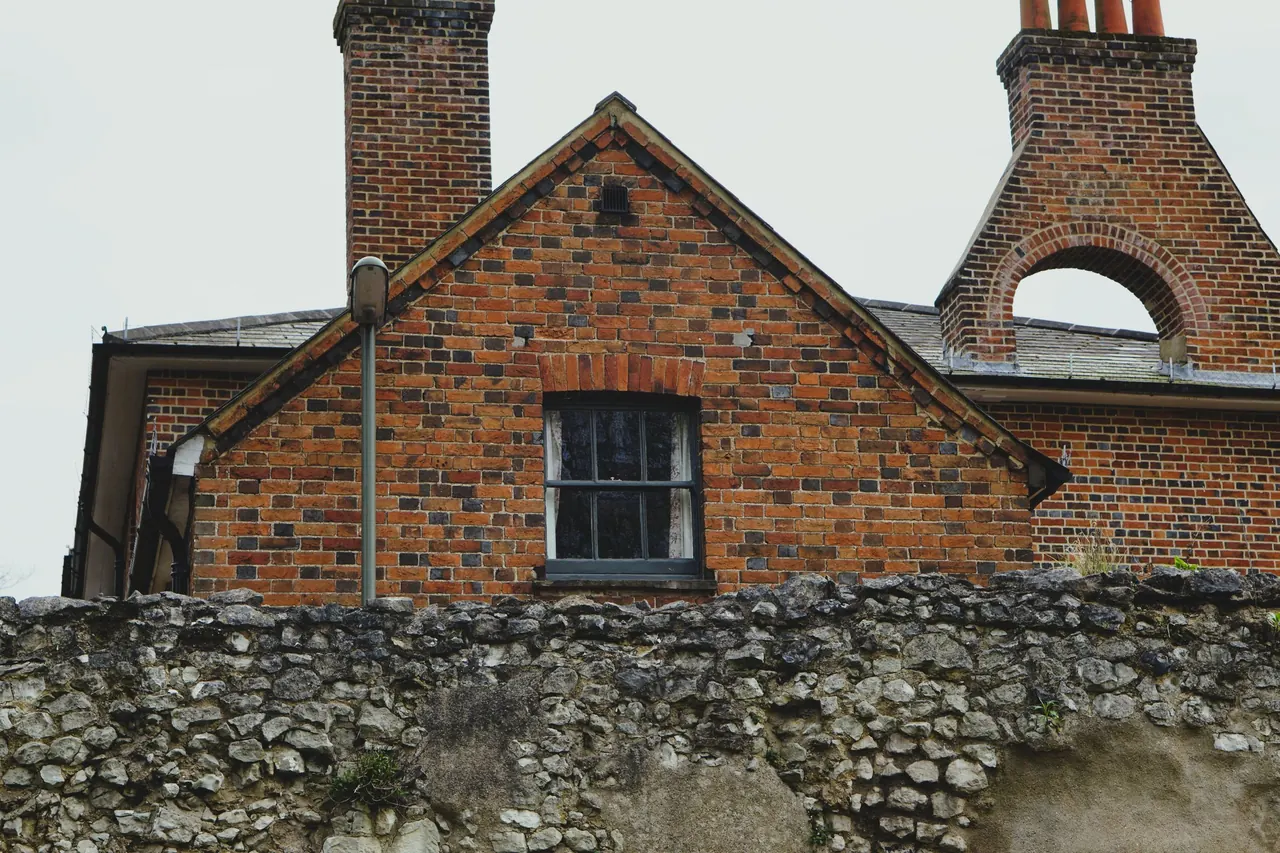
Old brick on the Green and the Old Red Lion
The two rows of 18th-century cottages on Hackbridge Green and the Old Red Lion on Hackbridge Road are all Grade II listed. The pub's listing dates its older part to the early 18th century and records an external chimney stack at one end built up the outside wall rather than inside the house.
Brick of that age was laid in lime mortar, and it wants lime back. Hard cement pointing on soft old brick traps water in the brick face, and in a frost the face can spall away round the joint. The same goes for flaunching and for the fillets where a stack meets the slate or tile. A repair in the right mortar costs little more than one in the wrong one, and it keeps the stack sound for far longer.
Because these buildings are listed, any change to a stack, such as taking it down, changing the pots or altering its height, needs listed building consent from Sutton Council. Straight repairs in matching materials are what we would expect to do on them, after talking to you about what the council is likely to want.
One stack, two Hackbridge semis
Most Hackbridge homes are interwar semis, and on a pair the main stack usually rises from the party wall, with flues from both houses side by side inside it. When the chimney breast in your back bedroom shows damp, the cause can be on either half:
- The lead flashing where the stack meets the tiles lifts, splits or pulls out as the mortar holding it crumbles. Many have had a cement fillet or sealant added at some point, and those crack.
- The pointing wears back until rain soaks into the brickwork.
- The flaunching on top cracks and lets water down inside the stack, and can leave a pot loose.
- Open pots on disused flues let rain straight down.
A repair on your side only goes so far if next door's flashing is letting water into the same brickwork. Doing the whole stack at once, with your neighbour's agreement, also means paying for access once. Work on a party-wall structure can come under the Party Wall etc. Act 1996, so it is worth talking early.
We start with a drone look at the stack, which shows the flashing, pointing, flaunching and pots up close without paying for scaffolding just to see. Small jobs, such as refixing a length of flashing or fitting a cowl, can often be done from roof ladders. Full re-leading or repointing usually needs a scaffold round the stack. As a rough guide, MyJobQuote's chimney leadwork guide puts a patch repair at £150 to £250 and full leadwork replacement without scaffolding at £350 to £460.
When the stack work joins a bigger job
If tiles round the stack have slipped, our roof repair service in Hackbridge deals with them on the same visit. A stack is also worth doing while the scaffold is up for a Hackbridge re-roof, because the flashing has to be redone against the new tiles anyway. Our chimney maintenance guide covers what to check from the ground each year.
Frequently asked questions
Can you repoint the chimney on a cottage on Hackbridge Green?
Yes, in a lime mortar suited to the old brick rather than hard cement. As the cottages are listed, we talk to you about whether the council needs to be involved before any significant work.
The pots on our Hackbridge Road semi are leaning. How urgent is that?
Fairly urgent. A leaning pot usually means the flaunching under it has cracked, and in a gale it can come down onto the roof or the path. We can take it down or reset it and renew the flaunching.
The chimney breast in our Hackbridge semi was taken out downstairs years ago. Is the stack above safe?
It depends on how the stack was supported when the breast came out, which is a building control and structural question rather than a roofing one. Ask whether there is a sign-off. From outside we can check the stack for cracking, leaning or open joints and tell you what we see.





