



 Google reviews

Hipped semis either side of London Road
Most Hackbridge homes are semis from the 1920s and 1930s, and round the centre many are in the Tudorbethan style. Semis of that period were very often given hipped tiled roofs, and that shape matters for repairs. Instead of one ridge between two gables, a hipped roof has a ridge plus four hip lines running down to the corners, all bedded in mortar, and a pair of semis shares the ridge across the party wall.
On roofs of this type and age, the faults tend to be these:
- Ridge and hip mortar. It cracks, shrinks and washes out until the tiles sit loose. A rocking hip tile above the front path is the one to deal with first, because it lands where people walk.
- Slipped tiles. Corroded nails let tiles slide in ones and twos. If the batten under them has rotted, the next one goes too, so we check why a tile moved before refixing it.
- Valleys. Where a rear addition or a later extension meets the main roof, the valley silts with moss and the lining wears thin. Damp in a back bedroom very often starts here.
- Felt at the eaves. Original bitumen felt rots just above the gutter, so water that gets past the tiles ends up in the fascia or the top of the wall.
- Flashing. Lead round the shared chimney stack, and where extensions meet the house, lifts or splits, or was replaced at some point with sealant that has since cracked.
Water rarely shows where it got in. It can run down a rafter or along the felt before it drips, so a stain over the landing may come from a valley two metres away. We trace it from the loft and the outside, and where the back slope cannot be seen from a ladder, a drone gives us a close look without anyone standing on the tiles.
One or two of these faults is a repair. Several at once, with tiles slipping on a different slope each winter, usually means the fixings have failed across the roof. Our guide on repair or full replacement sets out how that decision is made, and we say plainly if a new roof would be the better spend.
Quotes, prices and the guarantee
Quotes are free, and we can often look and price the same day you call. The quote says which fault we found, what we will do about it and what it costs, with photos where the problem is out of sight. Repairs carry our 10 year guarantee.
For a rough idea before anyone visits, Which?'s published guide puts replacing one to six broken or missing tiles at £75 to £400, excluding VAT, from a survey of its Trusted Traders, and says London prices tend to run higher. Rebedding a long hip or relining a valley sits above that range, and access to the back of a pair of semis makes a difference too.
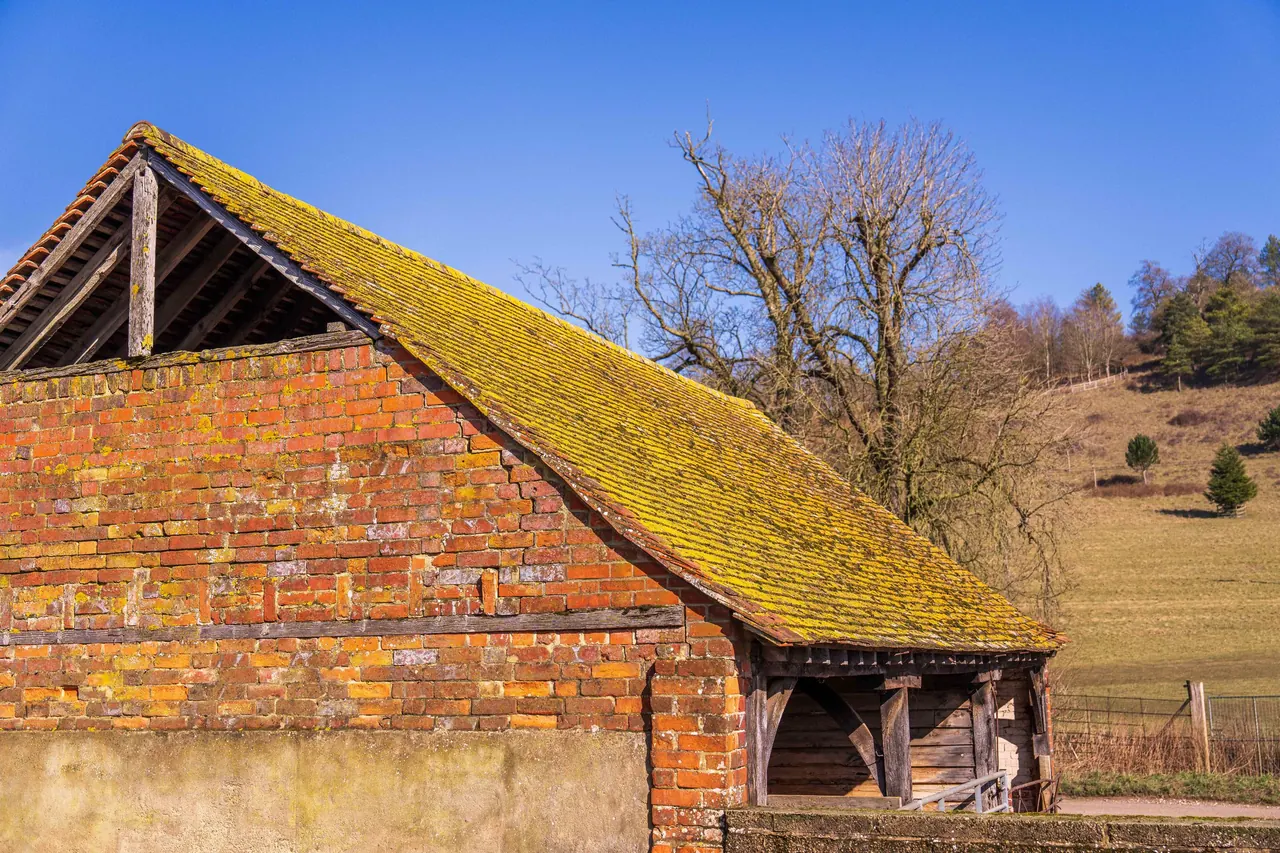
Slates on the Hackbridge Green cottages
The two listed rows of cottages on Hackbridge Green are a different roof altogether. Their listing dates them to the 18th century and records old slate roofs with dentilled brick eaves. On slate that old, the weak point is the fixings. As the iron nails rust through, slates slide out one at a time, usually after a windy night, and the gap lets rain onto the battens below. Roofers call it nail sickness.
The repair is to refix each slipped slate, or replace a broken one with natural slate that matches in size, thickness and colour. A patch of modern substitute stands out on a listed roof and may not be acceptable. Pointing at verges and stacks goes back in a soft mortar that suits the old brick, not hard cement. Anything beyond like-for-like work, such as a change of covering, needs listed building consent from Sutton Council first, and we talk you through that before work starts.
Old slate is brittle, so nobody should walk on it just to look. A drone lets us judge whether the slipping is local or spread across a slope.
If the leak is into a flat above one of the shops at the London Road crossroads, it is usually the flat roof at the back, covered on our Hackbridge flat roofing page.
Frequently asked questions
Two slates have slid down on my Hackbridge Green cottage. Is that the start of something bigger?
It can be. Two slates usually means the nails in that area are failing, and more will follow over the next few winters. We refix those two and check the slates around them, so you know whether it is a local repair or a slope that needs attention.
The damp is in the back bedroom of my Hackbridge Road semi, but the tiles at the front look fine. Why?
The front tiles are rarely the problem. On these houses it is usually the valley or flashing where the main roof meets a rear addition, or the felt at the back eaves. We look at both from the loft and the outside before saying which.
Next door on our Hackbridge pair will not fix their half of the ridge. Can you repair just ours?
Yes. We rebed your side up to the party wall and make the join as sound as it can be. If their side is letting water across, we will show you where, which is often what persuades a neighbour to act.





