



 Google reviews

Mixed runs on Hackbridge's interwar semis
Hackbridge's semis went up in the 1920s and 1930s, when houses of this kind were usually given cast iron gutters, and on houses of that age plastic has usually gone on since, often in stages. On semis like these it is common to find uPVC along the front, an older run at the back, and a length of cast iron left where the gutter meets the neighbour's half or turns round a bay. Each type of joint fails in its own way.
- uPVC union joints. The rubber seals dry out and crack, so the joint drips in heavy rain. Older plastic also goes brittle and splits, often after a hard frost.
- Cast iron joints. These were bolted together with a sealing compound that perishes with age, and rust then works in from the joint.
- Adaptors between the two. Where cast iron meets plastic, the adaptor is often the weak point, especially if it was a make-do fitting.
- Brackets. A bracket that snaps or pulls out lets the run sag, and the joint nearest the sag usually starts dripping next.
The joint that leaks is often the one taking the strain from a failed bracket further along, so we look along the whole run before touching anything. Then we reseal or replace joints, refix or add brackets, reset the fall and swap any cracked lengths, keeping the sections that are still sound.
Bays, hips and the party-wall join
A hipped semi has gutter on more sides than a gabled house, and every corner is a joint. On the Tudorbethan pairs round central Hackbridge, the corners at the bay and at the back of the house are the ones that tend to give trouble, because they take the water from two slopes at once and sit where nobody looks at them closely.
The other awkward spot is the party wall. Your gutter usually meets next door's there, and if the two halves were replaced at different times the profiles may not match. A proper adaptor made for both profiles solves it. A bodge with sealant does not, and it is often the reason a drip keeps coming back to the same place.
If a run has rusted or cracked along most of its length, repairs stop being good value, and new guttering in Hackbridge is the better spend.
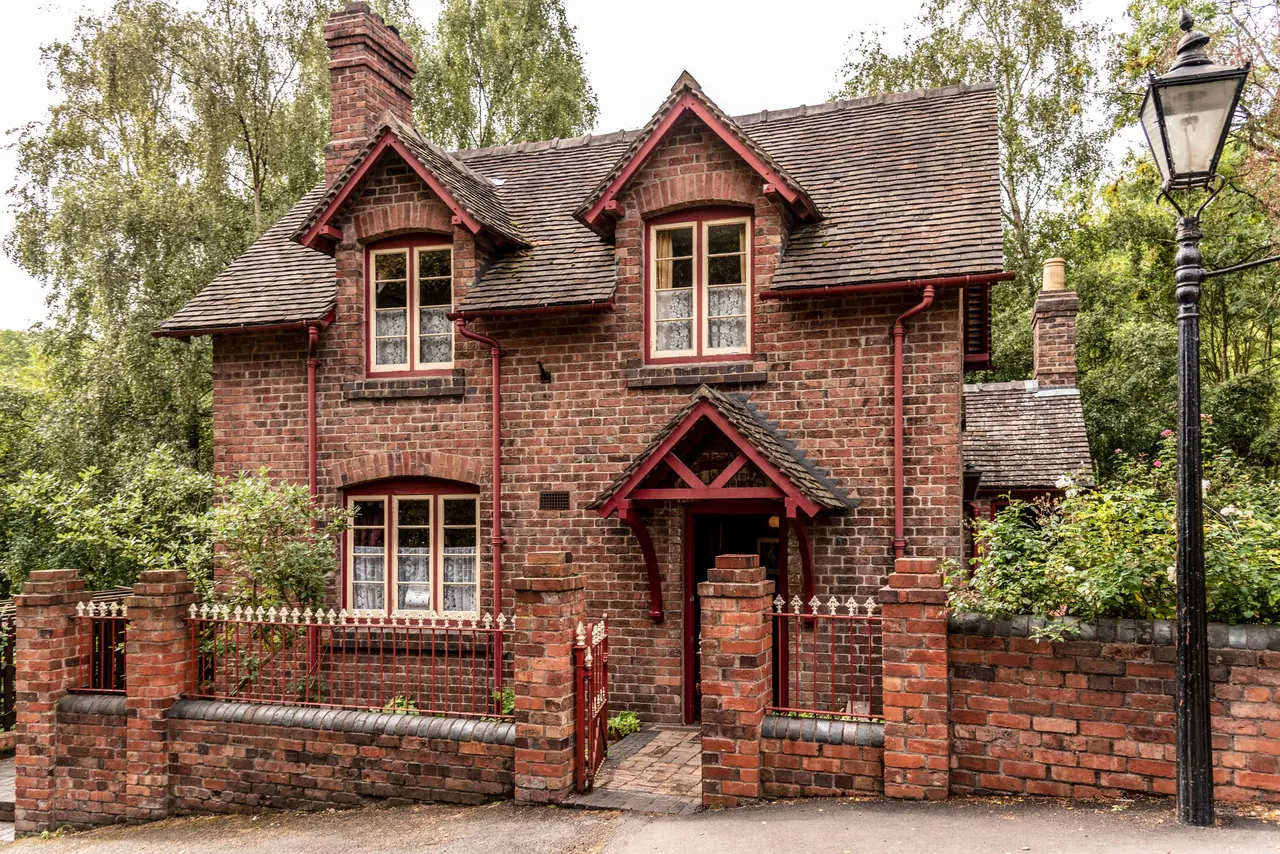
Downpipes against Hackbridge brickwork
A downpipe that has cracked at a joint, slipped out of its socket or come away from its clips sends water straight down the wall. On cast iron the usual cause is a rusted clip or a split at the back of the pipe, where nobody sees it. On plastic it is often a socket pulled apart after the pipe was knocked by a bin or a bike.
We refix or replace the clips, reseat the sockets and swap split lengths. Where the shoe at the bottom has broken or the pipe stops short of the drain, we put that right too, so the water reaches the gully rather than the base of the wall. On Hackbridge's low ground, that last part matters.
We price the fault you have in a free quote, often on the day you ring. For a sense of cost, MyJobQuote's gutter repair guide gives an average UK repair of around £215. A single reseal costs less than a run of new brackets with a fall reset.
Behind a leaking gutter there is usually a fascia board taking some of the water. If it has gone soft, brackets will not hold in it for long, and our Hackbridge fascias and soffits work deals with that first. If the trouble is a run that fills and overflows rather than drips at a joint, see blocked gutter repair.
Frequently asked questions
Half the gutter on our Hackbridge Road semi is cast iron and half is plastic. Can the two be joined properly?
Yes, with an adaptor made for the two profiles. If the cast iron is sound, joining it neatly can be cheaper than replacing the whole run. If it is rusting through, replacing that section is the better choice.
The gutter round the bay of our Hackbridge semi drips at the corner. Is that a whole new bay gutter?
Usually not. Bay gutters are short, and the corner piece can normally be replaced on its own or resealed. We check the brackets either side too, since a slight sag often pulls the corner open.
Our half of the gutter on a London Road pair is fine, but water drips where it meets next door's. Whose job is it?
The join sits on the party wall, so it is usually shared. We can fit a proper adaptor at the join with both owners' agreement, and show you photos of what was wrong.





