



 Google reviews

Mill Lane's 1860s cottages after 150 years of changes
Mill Lane's older houses went up in the 1860s and 1870s, mostly in yellow London stock brick with red brick detailing, and Sutton Council's conservation area appraisal calls the street possibly one of the earliest and best preserved Victorian housing developments in the borough. Over the years the gutters have been patched house by house, so on rows like these you often find cast iron meeting plastic, or two profiles joined with an adaptor that never quite fitted. Those mixed joints are where many leaks start.
Render, paint and paved gardens on Mill Lane
The appraisal notes that on Mill Lane some original frontages have been rendered in pebbledash or painted white, and many front gardens paved for parking. Each of those changes how a gutter leak shows up. Render hides wet brick until a crack lets water behind it. White paint shows a green or grey streak under a drip within a season. And water that used to soak into a front garden now splashes back off paving onto the bottom of the wall.
On bare stock brick laid in soft mortar, a gutter that drips onto the same spot year after year washes out the joints and leaves damp inside. Fixing a joint is a small job. Repointing the brickwork under it is not.
Where the cottage gutters give way
- Mixed joints: where two materials or profiles meet at a party wall, the seal rarely lasts. The right connector, or a short matching length either side, usually cures it.
- Sagging between brackets: a loose or broken bracket lets the run drop, water gathers at the low point and its weight pulls the gutter further.
- Lost fall: if the gutter no longer runs downhill to the outlet, water sits in it and spills over the front edge.
- Rusted cast iron joints: the bolted joints on old iron gutters lose their seal, and a length can crack where a ladder was once leant against it.
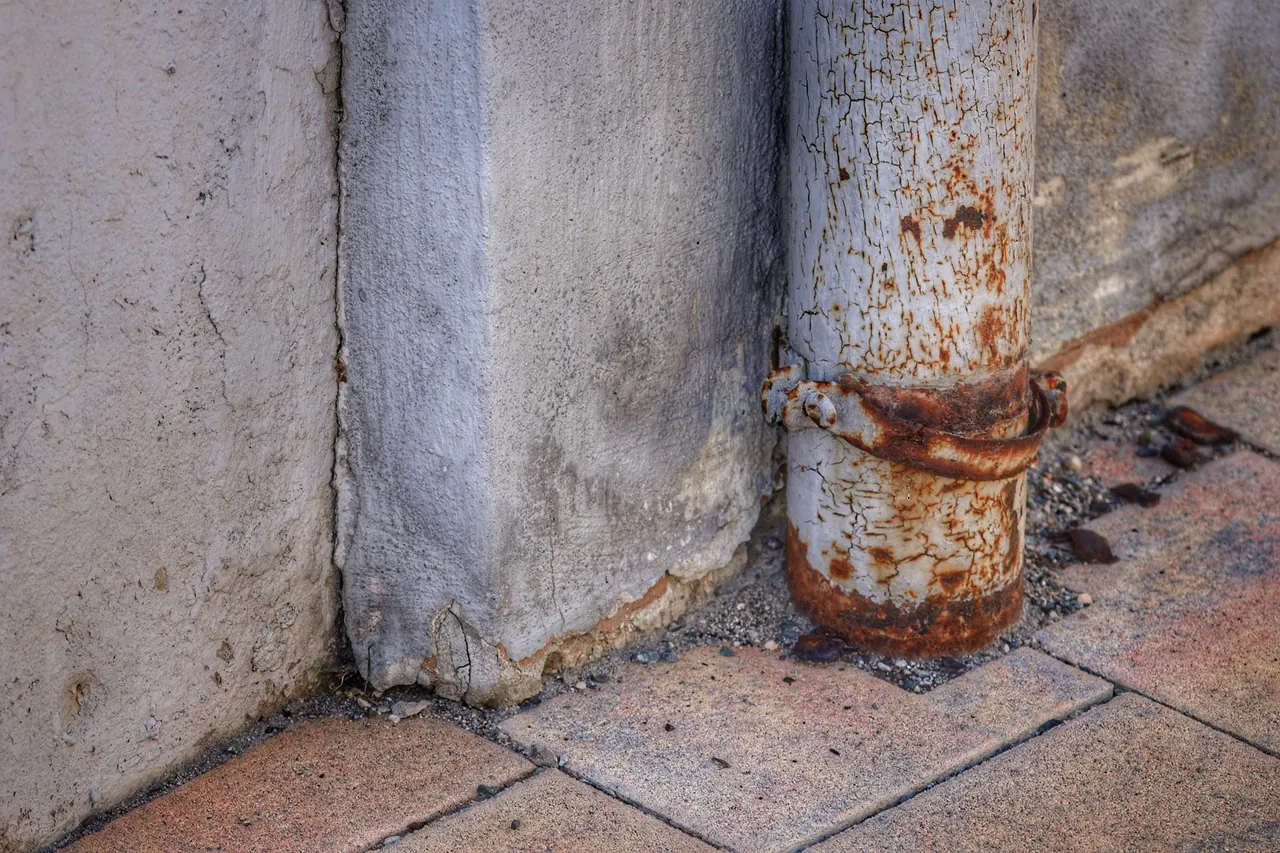
- Downpipes come apart: a loose joint or a split section sends water straight down the wall.
We look along the whole run, not only the bit that drips, because the cause is often a few metres away. Where water is running down the wall behind the gutter rather than over the front, our article on water leaking behind a gutter explains why.
Keeping old cast iron on the Mill Lane fronts
If the gutter itself is sound and the fault is a joint, a bracket or one damaged length, repair is the sensible answer. Where cast iron survives, we replace damaged sections in a matching profile where we can. If a run is cracked in several places or keeps failing at new joints every winter, new gutters make more sense, and our gutter installation page for the village covers that. If the problem is a blockage, see blocked gutter repair.
As a rough national figure, MyJobQuote's gutter repair guide puts an average repair at about £215. A single joint on a low terrace may come in under that. The main gutter repairs page explains what affects the cost.
Frequently asked questions
My Mill Lane front garden is paved and the bottom of the wall is damp under the downpipe. Is it the gutter?
It may be the downpipe rather than the gutter: a split shoe or a pipe that no longer reaches the drain lets water splash back off the paving. We check the pipe, its joints and where it discharges.
There is a green streak down my pebbledashed front. Where is it coming from?
Usually from a joint or low spot in the gutter directly above. Water running behind render can also show lower down, so we test the run with water to find the exact point.
Can one cracked length be changed on a Cape Terrace house without replacing the whole run?
Usually, yes, as long as a matching profile is available. We fit the new length to the existing joints either side and check the brackets on that section while we are there.





