



 Google reviews

Gutters on the first Queen Mary's homes
Fountain Drive is one of the streets built on the land of Queen Mary's Hospital for Children, which closed in 1993. The Friends of Queen Mary's Park record that the eastern part of the hospital site was redeveloped for housing in 1999 and 2000, and the remaining buildings were cleared in 2011 for more homes. The houses from that first phase are now a quarter of a century old.
For a roof, that is young. For plastic guttering, it is a different story. Where a house from that phase still has its original plastic gutters, by this age the rubber seals in the joints have hardened, the plastic has had years of sun on it, and the clips that hold each length in its brackets have been through thousands of hot and cold cycles. The faults that follow are usually small, and they are cheaper to fix while they still are.
Twenty-five years of sun and frost
- Weeping joints. The seal in a union or corner hardens and shrinks, and water starts to drip at the joint. Replacing the seal or the union usually cures it.
- Runs that have crept. Plastic expands and contracts with the weather. Over years a length can slip in its joint until the gap no longer seals.
- Brackets. A cracked or loose bracket lets the run dip, water collects in the low spot and the dip gets worse.
- Downpipes. Clips break and sections slide apart, so water pours down the brickwork instead of reaching the drain.
- Brittle lengths. A length that has faded and gone brittle can crack when a ladder is leant on it or a branch hits it, and that section can be replaced on its own.
The older houses on the hill have their own versions of these faults. The 1930s council houses on Stanley Road and Stanhope Road may well have had several generations of gutter, and repairs there tend to be about worn brackets and fascias rather than seals. Homes facing open ground take more wind, which is often what finally pulls a tired run off its brackets.
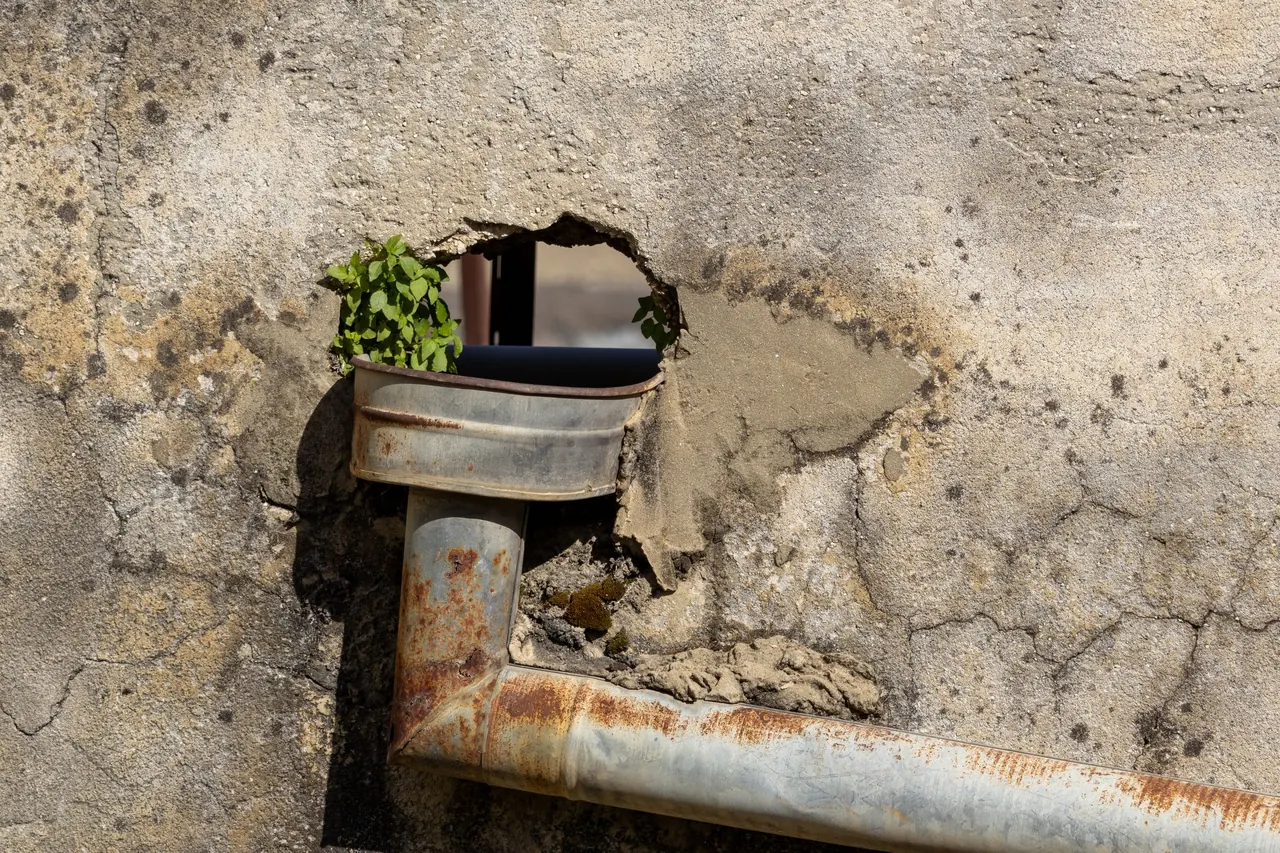
Repairing a Fountain Drive run
On a house from the first phase off Fountain Drive, seals and brackets of the same age usually fail close together, so we check the whole run along each elevation. On most visits that means resealing or replacing the weeping joints, refixing or replacing brackets, resetting any section that has lost its fall so water reaches the outlet, and reconnecting downpipes. We run water through afterwards to check it all drains.
If the drip turns out to be a blockage rather than a break, our blocked gutter repair covers clearing it and the cause. If the board behind the gutter has gone soft, the brackets have nothing to grip, and the fascia needs dealing with first.
If most of the system is brittle, cracked in several places or sagging along its length, more repairs will not last, and a new gutter installation on the hill is the better spend. We will tell you which side of that line yours is on. For wider background, our main gutter repairs page covers the full range.
Frequently asked questions
Our gutter off Fountain Drive drips at the joints mainly in cold weather. Why?
Plastic shrinks in the cold, and a seal that has hardened with age no longer takes up the gap. In warm weather the joint closes again and the drip stops. New seals or unions usually cure it for good.
A downpipe on our house near Queen Mary's Park has come apart at a joint. Can you refix it?
Yes. We reconnect it, replace any broken clips or offsets, and check the outlet at the top and the connection at the bottom so the water is going into the drain rather than down the wall.
The gutter on our 1930s house on Stanhope Road sags between two brackets. Can it be straightened?
Usually, yes. We add or replace brackets and reset the run to its fall. If the fascia behind it is soft, the board has to be sorted first, or the new brackets will not hold.





