



 Google reviews

When you ring
Call 0330 133 4111. We answer at any hour, and our base on Kenley Rd in Morden is about 4 miles from Stanley Park. Tell us what you can see: tiles on the path, water through a ceiling, a rooflight cracked, lead flapping on the stack. The first visit is for making the roof safe and stopping the water, not the full repair.
Until then, keep everyone away from any side of the house where tiles could fall, including the front path and the pavement. Do not go up a ladder in the wind or the dark. Inside, move what you can away from the water and catch drips. Photos from the ground or the loft help later.
Open ground by Queen Mary's Park
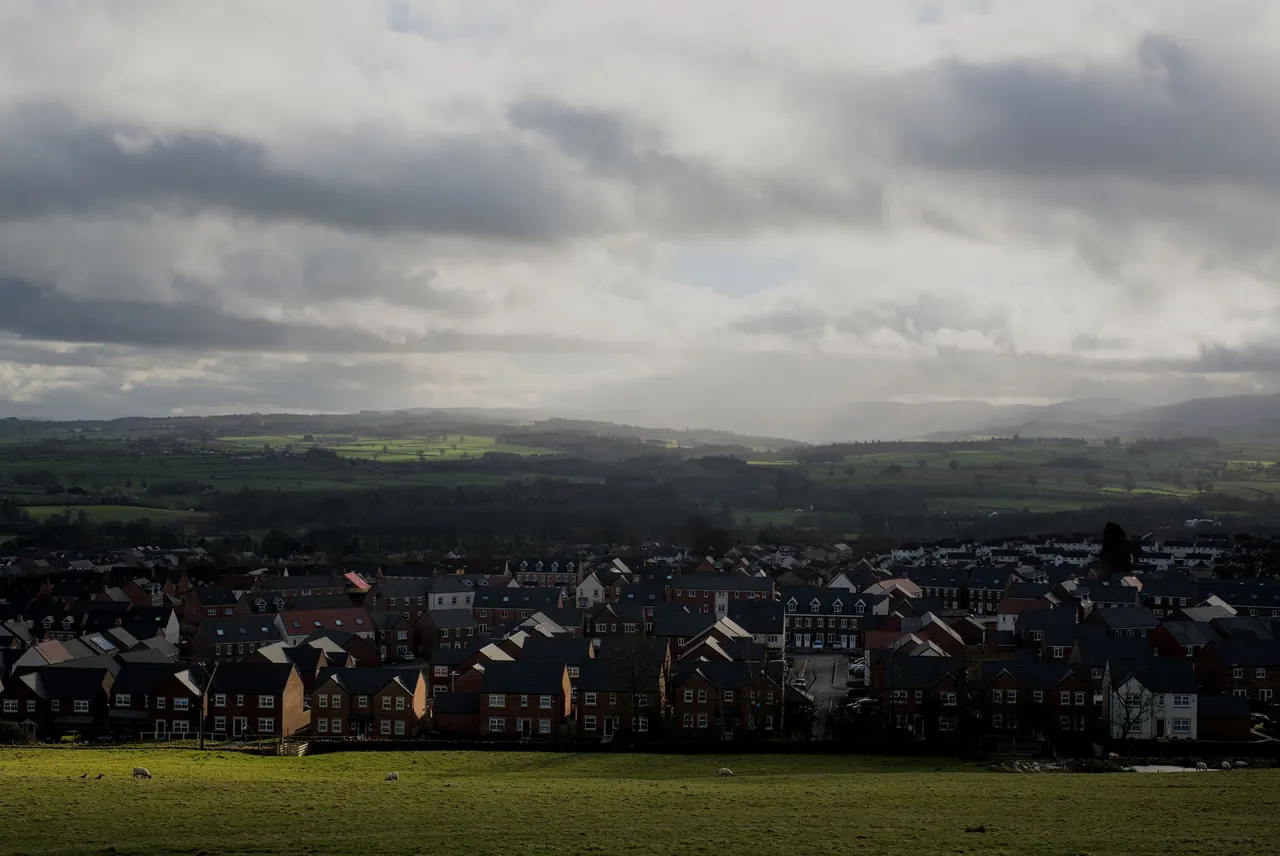
The site of the old children's hospital was chosen partly for its open views of the countryside. The Friends of Queen Mary's Park describe the park that replaced it as nearly 30 acres of fields and woodland with open vistas to the downlands. Houses on its edge, and on the other open edges of the hill such as Stanley Park and the allotments, can lose tiles in a gale that sheltered streets ride out.
The homes beside the park are also some of the youngest on the hill. Housing went up on the eastern part of the old hospital site in 1999 and 2000 and on the rest after 2011. A young roof can still let water in when a dry-fixed ridge or verge on the windward side was poorly fixed, or when a roof window seal gives way.
What else gives on the hill
Ridges and verges on the 1930s houses. Around Stanley Road and Stanhope Road, ridge and verge tiles bedded in old mortar can lift in one gust once the bedding has cracked, and a run of them can go at once.
Houses raised from bungalows. On a house that gained an upper floor years after it was built, as two on Pine Ridge did, a storm can drive rain behind the flashing where the newer wall meets a flat section below. That second fault often turns into a flat roof repair once the weather settles.
Chimney lead. On a stack that faces open ground, wind can peel lead flashing back from the brickwork, and rain then runs down inside the chimney breast.
The make-safe visit
Sometimes the full repair can be done there and then. On a wet, windy night it is more often a temporary fix or cover, and a return visit once the weather allows. After that we explain what a lasting repair involves, usually through our roof repairs for the hill. Our main emergency roof repair page covers how callouts work in general.
If a tree has come down on the roof, the tree itself is a job for a tree surgeon. Trees under a Tree Preservation Order, or inside a conservation area such as the one that takes in Carshalton Park to the north, need notice to Sutton Council before most work, so check before anyone cuts.
Frequently asked questions
Tiles have slipped on our raised Pine Ridge house and the flat roof below is now leaking. What happens first?
We secure or cover the gap on the upper roof so no more water runs down onto the flat section, then deal with the flashing where the two meet. Once the weather is dry we can look at whether the flat roof covering itself was damaged.
Our house near Kenny Drive is less than 25 years old. Why has the wind got under it?
Usually through one weak detail on the windward side: a dry verge cap that has cracked, a ridge fixing that was never tightened, or a roof window seal. We find which one, make it watertight and explain what a lasting fix involves.
A rooflight on our extension off Stanley Road has cracked in the storm. Can you cover it?
Yes. We make it watertight with a temporary cover first, then talk to you about replacing the unit and resealing it to the roof covering.





