



 Google reviews

The open side of South Beddington
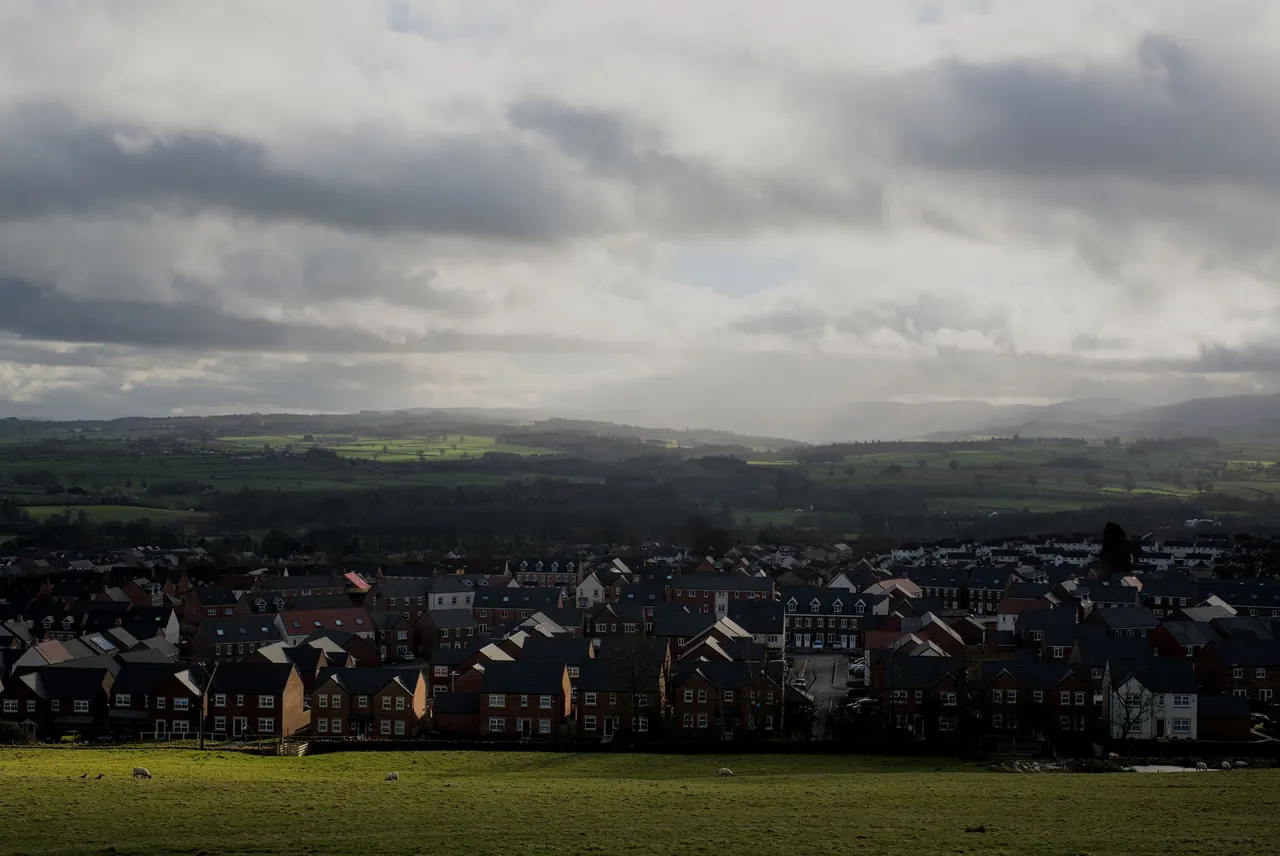
Most of Bandon Hill is packed tight, terrace against terrace. Its eastern side is not. Sutton's 2018 Local Plan traces a green chain from Roundshaw Park north along Plough Lane, past the St Elphege's and Wilson's school playing fields, to Mellows Park, and on to Bandon Hill Cemetery and the Demesne Road allotments. Mellows Park alone covers 7.8 hectares, and the cemetery and allotments another 11.9.
Houses that face this green chain have nothing to break a gale. On those roofs, damage tends to start at the edges: ridge tiles lifted off their mortar, verge tiles torn away at the gable, flashing peeled back from a stack, a slate or two sucked out of the slope. Once one piece goes, the wind gets under the next. The park and cemetery trees add the risk of a falling branch on a lean-to or a rear addition.
The older houses add age to exposure. A Bandon Hill cottage from the 1850s or a terrace from the turn of the 20th century can carry a weak ridge or a perished flashing for years, and one bad night is what finally pulls it loose.
What we ask on the phone
Before anyone sets off, we want to understand what has happened, so the first few minutes of a call are questions:
- Is water coming in now, and where: a ceiling, down a wall, round a light?
- Is anything loose that could fall into the street or a garden: a pot, a ridge, part of a stack?
- Is it the main roof, a back addition, a flat roof or the chimney?
- Can you see the damage safely from the ground or a window, and can you send a photo?
From the answers we can talk you through what is safe to do in the meantime. If it turns out not to be urgent, for example one slipped tile with nothing coming in, we say so and book a normal roof repair visit instead. Our guide to spotting roof damage after a storm helps you check from the ground once the weather has passed.
Shared stacks and ridges on the Bandon Hill terraces
On the Bandon Hill terraces, an emergency rarely stays on one house. The ridge runs across the party wall, the stack is shared, and a loose pot or a lifted flashing on one side puts water into both lofts. When we arrive, the first aim is to stop water getting in and to remove anything that could fall. That can mean refixing or replacing loose slates and tiles, putting a temporary cover over the gap, securing or taking down a loose pot, or clearing a blocked valley that is pushing water under the covering.
Some repairs can be finished on the same visit. In a high wind or in the dark, the right move is often to make the roof watertight and safe, then come back in daylight to do the permanent work properly. Where the damage reaches next door, we can show your neighbour what we found. The full picture of how we handle emergencies is on our main emergency roof repair page.
Frequently asked questions
Part of the ridge has come off my house facing Mellows Park. Will it get worse before morning?
It might. An open ridge lets rain straight into the top of the roof, and the wind can lift the next ridge tile along. Keep everyone out of the garden below, move anything valuable away from where water could come in, and ring us so we can judge how soon it needs covering.
The leak is on next door's side of the stack we share on Tharp Road. Can you still make our side safe?
Usually, yes. On these terraces the flashing and flaunching run across both halves of a shared stack, so a cover or repair on your side may only hold if next door's side is dealt with too. It helps to tell your neighbour before we arrive, because the permanent repair is a job for both houses.
A chimney pot on our Upper Road terrace is leaning over the pavement. Who do I call first?
If it could fall on someone, keep people away and call the emergency services, then call us. A pot falling from a two-storey terrace can do real harm on a narrow pavement, and making it safe comes before anything else.





