



 Google reviews

Upper Road's 1850s cottages, from the loft up
West's Cottages, at 1, 3 and 5 Upper Road, are dated 1854. The local history society's study of Beddington and Bandon records them as perhaps the first group built at Bandon Hill, put up by the Wallington builder James West the year after the 1853 land sale, and still there when it was written in 2011. It also notes that No. 3 is known to have been built partly from re-used timber. Further along Upper Road, the old New Inn and the two Taunton Place cottages, now 29, 31 and 31A Upper Road, were let in 1881 as brick and slate-roofed buildings.
On a cottage like these, the roof covering you see may be the second or third one the house has had, laid on rafters that were never cut to modern sizes. Second-hand timber, old repairs and changes made long before anyone kept records are all normal here. That is why an inspection of an Upper Road cottage starts in the loft as much as on the roof. We look at the rafters and purlins for sagging, splits, old insect damage and signs of water, check whether there is any underlay at all, and note where earlier owners have strengthened or patched things.
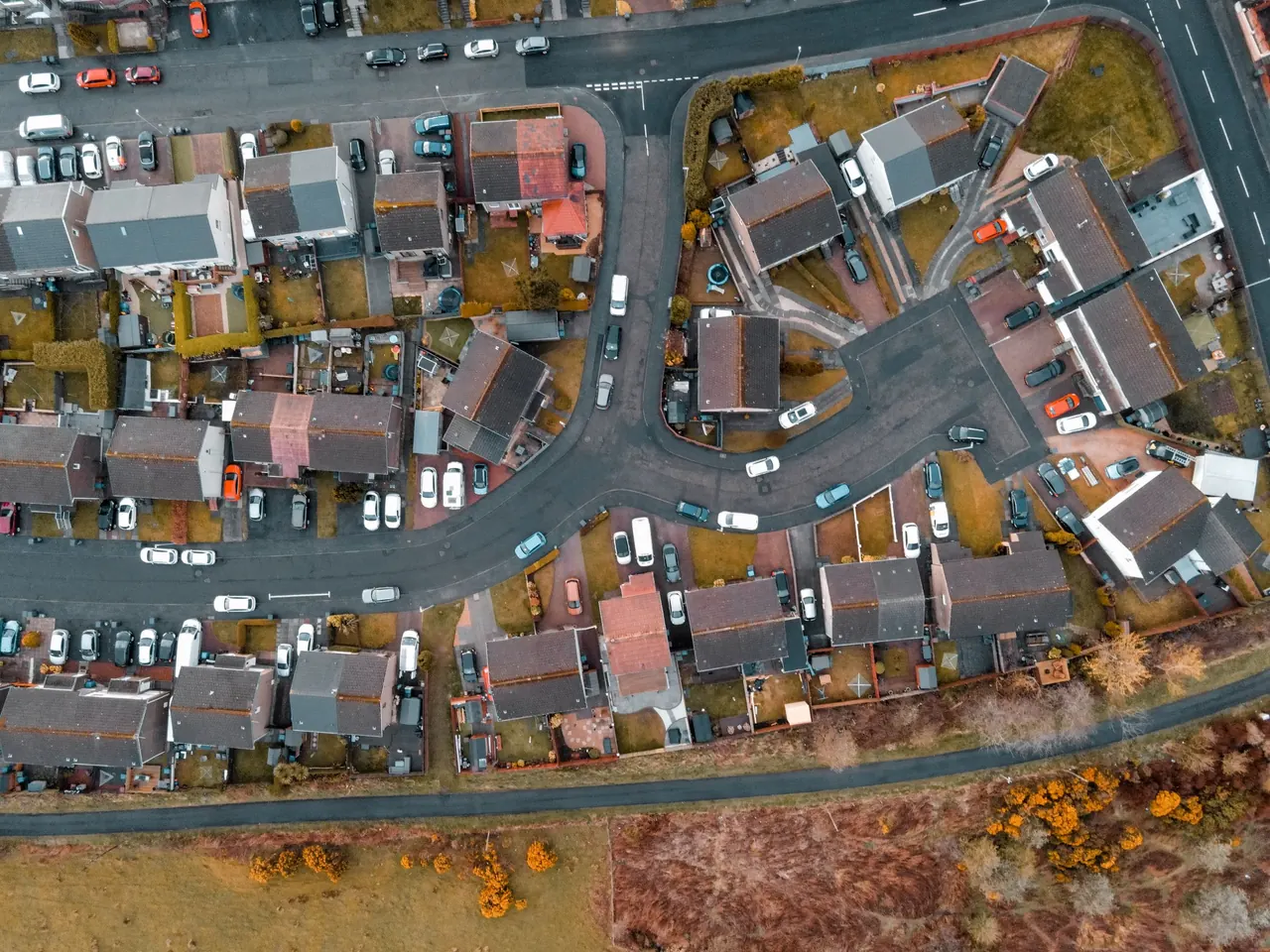
Outside, the drone gives us close photos of every slope, the ridge, the chimney and the junctions with any later additions, without anyone standing on an old covering that may not take the weight.
Terrace backs between Tharp Road and Beddington Grove
The terraces that came after the cottages, such as Tharp Road, built up between 1899 and 1903, show a neat front slope to the street and keep their trouble at the back. Behind each house is a rear addition with its own small roof, a valley or flashing where it meets the main roof, and often a stack on the party wall with a back gutter behind it. Later on came kitchen extensions with flat roofs. None of that is visible from the pavement, and most of it is out of safe reach from a ladder in a narrow back garden.
From the drone footage we look for:
- slipped or cracked slates and tiles on the rear slopes, which can sit unnoticed for years;
- the valley or abutment where the back addition meets the main roof, and any old mastic or cement patches there;
- the back gutter and flashing on the party-wall stack;
- the condition of any flat roof over a kitchen or infilled side return, including the upstand against the wall;
- the line between your roof and next door's, where one house has been re-covered and the other has not.
On the houses that face Mellows Park or the playing fields along Plough Lane, we also give the ridge and verges a closer look, because they take more wind.
Before you exchange on a Bandon Hill cottage or terrace
A buyer's survey is often done from the ground and the loft hatch, so it may see little of the back of a terrace. Photos of the rear slopes, the back addition and the stack before exchange give you something concrete to take back to the seller, whether that is a fault to price in or a clean bill of health. Our guide to roof checks when buying a house in Sutton lists what to ask, and if the inspection turns up work, our roof repairs in South Beddington page explains how we deal with these houses. More on what any inspection covers is on our main roof inspection page.
Frequently asked questions
Can you tell what an old Upper Road cottage roof is covered with before I buy it?
Usually, yes. The drone photos show whether it is slate or tile, whether it looks original or re-covered, and what the ridge, hips and flashings are made of. The loft check then tells us whether there is underlay and what state the timbers are in, which matters more to the price of putting it right than the covering does.
The house next door on Tharp Road was re-roofed. Should I check where it meets mine?
It is worth it. Where a new roof meets an old one along the party wall, the two coverings sit at slightly different heights and the joint between them is often finished in a hurry. We look closely at that line and at the shared stack, because that is where a leak from next door's work would show first.
What does the loft check show that the drone photos cannot?
Anything under the covering. A drone sees slipped slates, open joints and failed flashings, but it cannot see a damp rafter, a torn underlay, daylight around a stack or wet insulation. On a 19th century roof, those are often the findings that matter most, so we look inside wherever there is safe access.





