



 Google reviews

Listed roofs and the duty to keep them dry
Sutton Council's conservation area appraisal reminds owners of listed buildings that they are responsible for keeping them wind and watertight, structurally sound and in reasonable repair, and that the council has powers to step in where a building is neglected. In a village with as many listed buildings as this one, from the weatherboarded houses on West Street to the Greyhound and Madeley Cottage on Church Hill, that duty applies on a lot of streets.
It matters most in the hours after damage. Old timber, lath and lime plaster soaked overnight can be lost for good, while a sound temporary cover keeps the original fabric dry until the right tiles, slates or lead can be found. Ring 0330 133 4111 whenever it happens. Someone picks up at any hour, and the first job on arrival is to stop more water getting in.
Storms along the edge of Grove Park
Grove Park, bought by the old urban district council in 1924, follows the Wandle downstream from the Lower Pond. Around it, the churchyard of All Saints, the Carshalton House grounds and many older gardens hold large mature trees, and the appraisal notes that some of the village's trees are ageing. In a strong wind, falling limbs are the biggest risk to roofs on the streets beside them.
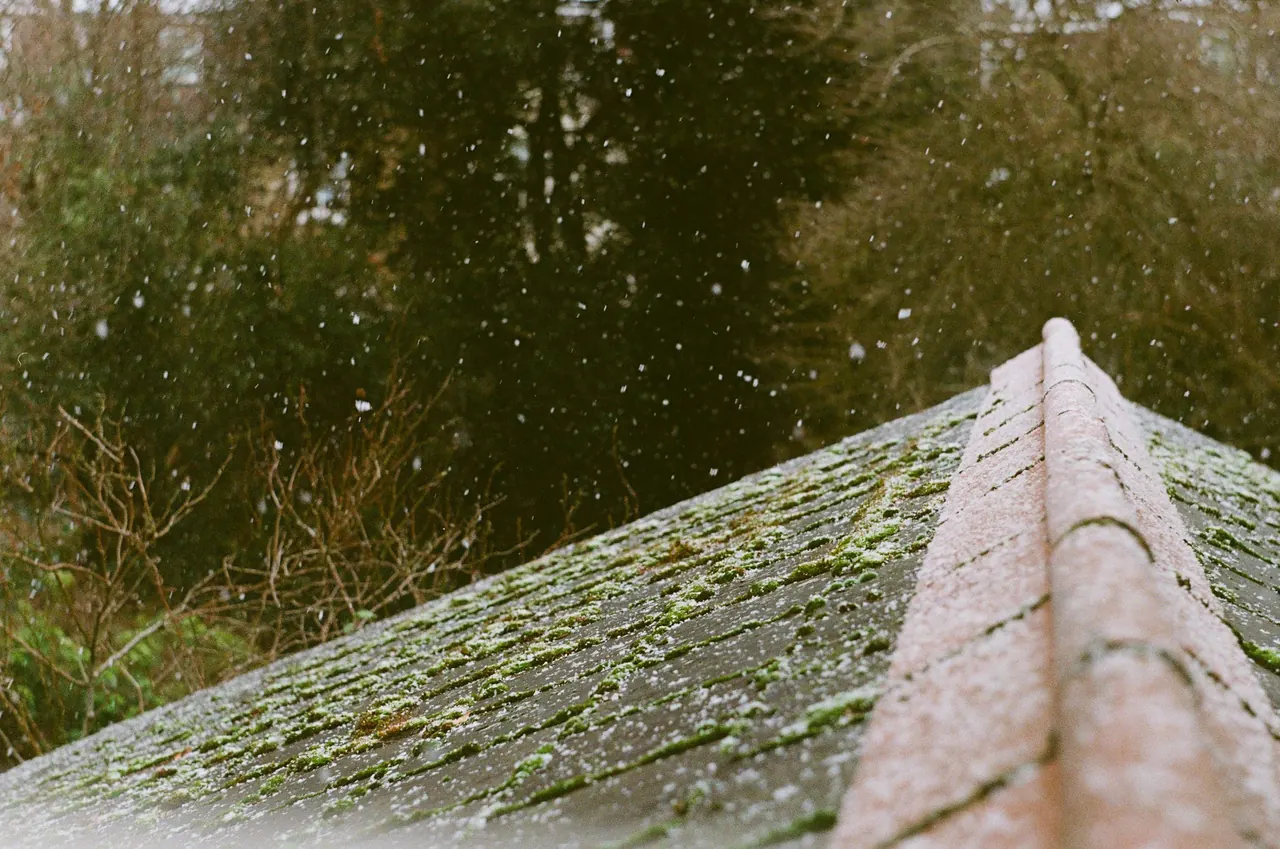
The other storm faults on old village roofs are quieter. Clay tiles that were only nailed every few courses can lift in a gale, and once one goes the wind gets under the next. Slates whose nails have rusted slide out in a row. And a hidden valley that blocks in a downpour can put water straight into the middle of the house.
Holding an old roof until the right tiles are found
What we do depends on the damage. Loose tiles and slates are refixed or replaced, open sections get a secure temporary covering, a split flat roof is patched, and a blocked valley or gutter that is putting water into the house is cleared. Anything that could fall onto a pavement, such as a loose pot or broken stack, is taken down or secured.
Where the weather allows, the permanent repair can sometimes be done on the same visit. On a listed building it is often better not to rush it: a temporary cover buys time to source matching materials, so the finished repair looks like the rest of the roof. Take photos for your insurer before and after, and keep any damaged tiles we take off.
Once the roof is safe, the follow-up work usually goes to our village roof repair team, or to chimney repairs in Carshalton Village where a stack was the cause. Our guide to spotting roof damage after a storm shows what to check from the ground the next morning, and the main emergency roof repair page explains the service in full.
Shops and flats on the High Street
The High Street is the village's shopping street, and where a shop has a flat over it, a leak can start in the flat and end up in the shop below. Some older buildings here mix an old tile main roof with small flat roofs over the shopfront or the back, so there is more than one roof to check. We deal with whoever holds responsibility for the roof, whether that is the owner, a freeholder or a managing agent, and the tenant can call us first if no one else can be reached.
Frequently asked questions
My listed house on West Street has storm damage. Do I need consent before the emergency repair?
Making the roof safe and watertight comes first, and like-for-like temporary work protects the building. Before the permanent repair, check with Sutton Council if anything will differ from what was there.
Water from the flat above is coming through my shop ceiling on the High Street. Who should call you?
Whoever notices it first can ring. Let the freeholder or managing agent know too, because the permanent repair is usually theirs to arrange and pay for.
A gale has loosened the pots on the stack my Mill Lane cottage shares with next door. Can you make it safe?
Yes. A loose pot above a pavement or garden is taken down or secured first. Because the stack is shared, the permanent repair is then agreed with both owners.





