


Does home insurance cover roof leaks? Usually only when a sudden, one-off event caused the leak, such as a storm lifting tiles or a falling branch, and rarely when the cause is wear and tear or poor maintenance. Many insurers treat a storm as wind gusts of at least 55mph or rain at 25mm an hour or more, so the weather and your roof's condition both matter.
In short
- Insurers pay for sudden damage such as storms or falling branches, not a worn-out roof
- The ABI storm description uses gusts of at least 55mph or 25mm of rain an hour
- A burst loft pipe or tank falls under escape of water, a separate part of the policy
- If a claim is refused, complain to the insurer, then the Financial Ombudsman within 6 months
Does home insurance cover roof leaks? A quick guide by cause
Buildings insurance pays for damage to the structure, including the roof, and contents insurance pays for your belongings. Whether either pays for a leak depends almost entirely on what caused it. As a rough guide:
| What caused the leak | Usually covered? | Why |
|---|---|---|
| Tiles, slates or ridge tiles blown off in a storm | Often | A sudden event, as long as the weather meets the policy's definition of a storm |
| A tree or branch falling onto the roof | Often | Sudden damage from outside |
| A roof that has worn out: perished felt, rusted slate nails, mortar washed out of the ridge | Usually not | Wear and tear and gradual deterioration are standard exclusions |
| Ordinary rain getting in through a roof in poor repair | Usually not | The weather was not a storm and the cause is the roof's condition |
| A burst pipe or leaking tank in the loft | Often, under escape of water | A different section of the policy from storm damage |
Every policy is worded differently, so treat this as a starting point and read your own policy booklet before you ring the insurer.
Sudden damage versus wear and tear
This is where most roof claims are won or lost. Insurers pay for damage caused by an event, not for a roof that has simply reached the end of its life. Ageas, for example, says it does not cover rain or water damage inside the home that results from poor workmanship, bad design or wear and tear, and Which? warns that water coming in through a poorly maintained roof may not be covered.
From a roofer's point of view, gradual damage has a recognisable look. Slates that slide because the nails have rusted through, felt that crumbles at the eaves, ridge tiles that rock because the mortar has gone over many winters, and valleys choked with moss all point to age rather than a single storm. A clean break, a row of tiles lifted on the side facing the wind, or a branch lying on the slope points the other way.
The burden is on the insurer to show an exclusion applies. The Financial Ombudsman Service says insurers must prove an exclusion, for example with an inspection report. A roof in poor condition before the storm does not automatically mean the storm did not cause the damage, but the Ombudsman is unlikely to uphold a complaint where the storm just highlighted an existing problem, especially one the homeowner already knew about.
What counts as a storm for an insurance claim?
There is no single legal definition. The Association of British Insurers' description, quoted by Which?, includes wind gusts of at least 55mph and torrential rainfall of at least 25mm an hour. Ageas uses very similar figures in its storm cover guidance (winds over 55mph, or more than 25mm of rain in an hour) and says damage from winds under 55mph usually isn't covered, though it may still look at the damage.
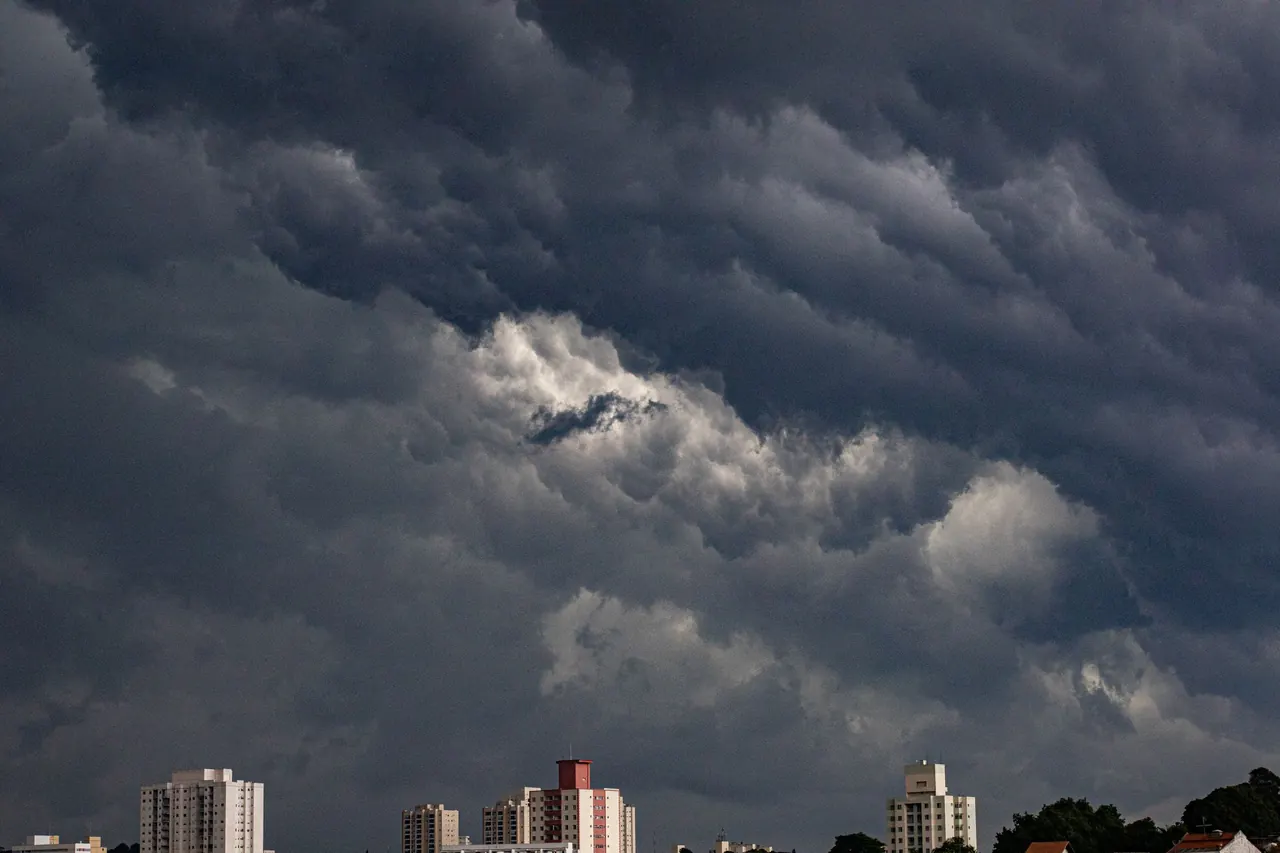
Policies do vary. When Which? reviewed 133 home insurance policy documents in 2025, it judged 20% to have a potentially unfair storm definition, and around half of those only covered rain, hail or snow damage where high winds were also involved.
The Financial Ombudsman does not rely on wind speed alone. Its guidance for insurers says rain, hail or snow on its own can count as a storm if a large amount falls in a short time, and that it checks local weather records for the date, using historic data from providers such as EuroTempest and WeatherNet. It is unlikely to be persuaded by general bad weather over a long period.
Escape of water is not the same as rain coming in
A drip through the ceiling might not be the roof at all. Escape of water cover is for water leaking from plumbing and appliances: Admiral explains it only covers water escaping from a domestic appliance, fixed water tank, fixed central-heating system or water pipe. A split cold water tank or a leaking pipe in the loft can look very like a roof leak from below.
Condensation is a third possibility. In a cold loft, moisture from the house can form on the underside of the felt and drip onto the ceiling on a dry day, and because it builds up gradually from inside the house, it is unlikely to fit either a storm claim or escape of water. Our guide to condensation in the loft or a roof leak explains how to tell them apart. Getting the cause right before you claim saves a lot of back and forth with the insurer.
The evidence insurers look for, and where a roofer's report fits
When the Financial Ombudsman looks at a refused storm claim, it asks three questions: was there a storm on the date, is the damage consistent with what a storm usually causes, and was the storm the main cause or would the damage have happened anyway. Your evidence should answer all three.
- Photos before anything is moved. The outside from the ground, debris where it landed, the loft and the ceilings, with the date and time noted.
- A note of the weather. When the leak started, what the wind and rain were doing, and whether neighbours had damage the same night.
- The damaged pieces. Keep broken tiles, slates or lead if it is safe to, as they show how the roof failed.
- Invoices for emergency work. Making the roof watertight to stop further damage is normally expected, so keep the paperwork for any temporary repair.
- A written description from a roofer. What failed, where, how, and what the rest of the roof looks like, with photos taken from the roof or by drone.
- Your roof's history. Invoices for past repairs, gutter cleaning or inspections help show the roof was looked after.
We do not handle insurance claims or deal with insurers on your behalf. What we can do is inspect the roof, including a drone roof inspection that photographs every slope without scaffolding, put what we found in writing with the photos, and quote for the repair. That gives you and your insurer an honest account of the cause, whichever way it points. The insurer may still send its own loss adjuster before agreeing the claim.
Policy wording worth checking before you claim
- The storm definition. Look for wind speed, rainfall or wording such as "violent" weather, and whether rain on its own counts.
- Wear and tear and gradual damage. These exclusions are in almost every policy and are the usual reason roof claims fail.
- Poor workmanship or design. Some policies exclude damage caused by a faulty earlier repair.
- Your excess. For a small repair, the excess may be close to the cost of the work, so compare the two before you claim.
- Contents cover. Ruined carpets and furniture fall under contents insurance, which usually follows the same decision on the cause.
- Reporting conditions. Most policies expect damage to be reported promptly and reasonable steps taken to limit it.
Regular maintenance helps here too. A roof that is checked before winter and gutters that are cleared each year are far easier to defend as storm-damaged when something does give way. If you want to see what that involves, our gutter cleaning page explains what a proper clear covers.
What to do if your roof claim is turned down
Ask the insurer to explain the decision in writing and quote the exact clause it relied on. If it says the roof was already in poor condition, ask to see the loss adjuster's or surveyor's findings, and consider getting an independent roofer's view of the damage.
Then make a formal complaint to the insurer. The insurer has up to eight weeks to respond, and if it does not, or you are unhappy with its final response, you can take the complaint to the Financial Ombudsman Service. The service is free, and you must bring the complaint within six months of the date on the insurer's final response. The Ombudsman also expects insurers to check all parts of your policy, not just the storm section, to see whether you are covered.
Refused claims are a common reason people go to the Ombudsman. According to Which?, using Ombudsman figures for the year to March 2026, declined claims made up 35% of buildings insurance complaints, and 27% of those complaints were upheld. These rules and figures are correct at the time of writing (November 2026) and can change.
When to call a roofer rather than wait for the insurer
Do not wait for a claim decision if water is coming in. Stop the damage first: our emergency roof repair team can make the roof watertight with a temporary repair, and our guide on what to do if you find a leak in your roof covers the first hour indoors. Ring 0330 133 4111 at any time of day or night.
If the roof is not leaking yet but you are unsure whether a storm did the damage, book an inspection before you ring the insurer, so you know what you are claiming for. For checking the outside safely from the ground in the meantime, see our guide to spotting roof damage after a storm. Never go up a ladder or onto the roof yourself, especially in wind or rain. Once the cause is clear, a roof repair for a few tiles or a section of flashing is often all that is needed.
Frequently asked questions
Will home insurance pay for a new roof?
Rarely. Insurers pay to put right the damage the insured event caused, which is usually a repair to the affected area. Broker Howden says an insurer is unlikely to pay for a whole new roof unless the damage can't be fixed with repairs alone, or a new roof would cost less than repairing it. If most of the roof is simply worn out, expect the replacement to be treated as maintenance.
Does home insurance cover a leaking flat roof?
The same rules apply as for a pitched roof. A flat roof covering torn or lifted in a storm may be covered, but felt that has blistered, cracked or split with age usually is not. The Financial Ombudsman has said it will not normally uphold a complaint where a flat roof was already in poor repair and a storm simply exposed it, so evidence of the roof's condition matters.
Can I get my roof repaired before the insurer has seen it?
Emergency work to stop more water getting in is normally expected, so do not leave a hole open while you wait. Photograph everything first, keep the damaged materials, and keep the invoice for the temporary repair. For the permanent repair, ask your insurer whether it wants to send an assessor first, because starting the full job too early can make the claim harder to prove.
Is a leak caused by a blocked gutter covered by insurance?
Usually not. Water overflowing from a gutter blocked with leaves or moss is generally treated as a maintenance problem, because the blockage built up gradually. The exception might be a gutter suddenly torn off or blocked by storm debris on the day of a storm. Clearing gutters each autumn is the simplest way to avoid this kind of leak.
How do I prove storm damage to my roof?
Combine evidence of the weather with evidence of the damage. Note the date and time, take photographs before anything is moved, keep broken tiles or lead, and ask a roofer to describe in writing what failed and how. Photos of the rest of the roof help show it was otherwise sound. The insurer will usually check weather records for your area as well.
Who claims for a roof leak if I rent or own a leasehold flat?
Usually not you, for the roof itself. Howden explains that where someone else owns the freehold, they will usually arrange the buildings insurance, and a tenant's landlord will probably be responsible for it. Your own belongings damaged by the leak would come under your contents insurance. Report the leak to the freeholder, managing agent or landlord in writing straight away, with photos.
Roof leak inspections and storm repairs in Morden and nearby
Precise Roofing & Guttering is a family run roofing company on Kenley Rd, Morden, working across south west London and north Surrey for over 20 years. We take emergency calls 24 hours a day, 7 days a week, and for everything else we visit, inspect the roof, often with a drone, and give you a free, no-obligation quote, often the same day. Our repairs carry a 10 year guarantee, and we offer a 20% discount for OAPs. Call 0330 133 4111 or request a free quote online.

 Google reviews
