



 Google reviews

Dormers on 6 and 8 West Street
The listing for 6 and 8 West Street describes an early 18th century pair, built some time after 1730, in painted weatherboarding under an old tile roof with two flat-topped dormers. Plenty of older houses in the village have dormers like these, added to light a room in the roof long before anyone thought about felt or membranes.
A dormer is a small roof set into a big one. Its cheeks, its flat top and the lead apron below it all have to shed water coming down the main slope. When one of those joints opens, water tends to run along a rafter and show up some way from the fault, often on a bedroom wall rather than right under the dormer. So the repair starts by finding where the water is actually getting in, from inside the roof space where that is possible, before any tiles are lifted.
The Greyhound shows the same point at a larger scale: its listing records Dutch gables and a separately roofed weatherboarded wing, and every gable and hip like that is another joint to keep sealed.
Why old clay tiles slip
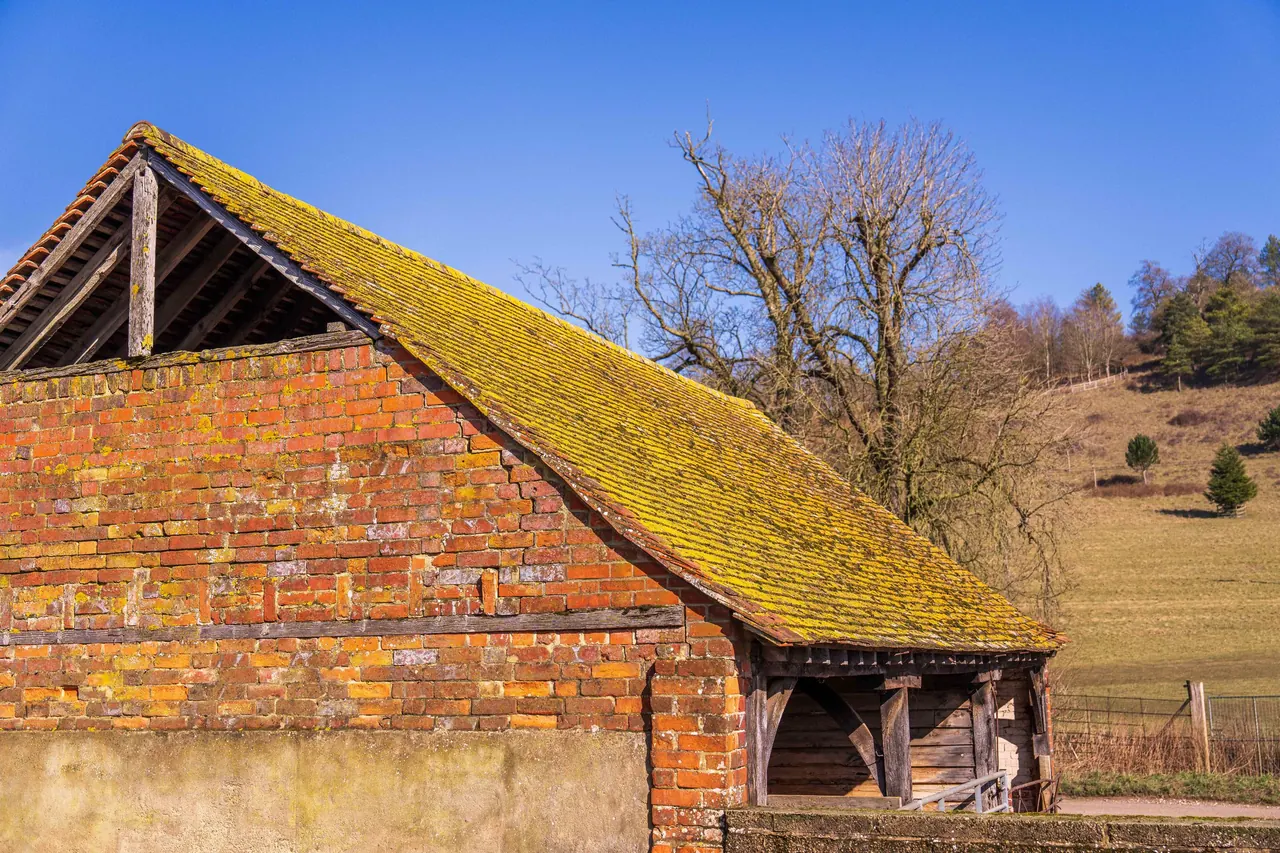
Old clay tiles were hung on battens by small nibs on the back, and many were only nailed every few courses. They rarely wear through. What gives up is the nib, which snaps, or the batten, which goes soft, or the peg or nail that held the tile in place. A tile then slides a few inches, and rain blown up the slope gets in behind it.
On a roof that is two centuries old, a single slipped tile after a gale is normal. Several in a line usually point to a batten that has failed underneath, and refixing the odd tile there only treats the symptom. Our article on repairing a missing roof tile explains the simpler single-tile jobs.
Keeping as much of the old roof as possible
On an old roof the aim is to keep original material where it is still sound. That shapes the repair:
- sound tiles that have slipped are lifted, checked and rehung, not thrown away
- where a tile has lost its nib, a replacement is taken from a less visible slope where possible, or matched in colour, size and camber
- soft battens are replaced only over the area that has failed
- hips and ridges are rebedded in a mortar that suits the roof, and lead around dormers is renewed where it has split
Like-for-like repair on an unlisted house rarely needs consent. Many houses here are listed, though, and our Carshalton Village roofing overview sets out what that means before work is booked. If the trouble turns out to be the stack, our chimney repair page for the village covers lead, pointing and flaunching.
Cost and timing
As a published guide, Which? puts replacing one to six broken or missing standard tiles at £75 to £400, excluding VAT, from a survey of its Trusted Traders, and notes that London prices sit towards the top of the range and that access changes the figure. Matching old handmade tiles, or reaching a dormer on a tall front, can push a village repair above that.
Quotes are free and often given the same day. If water is coming in now, the phone line is answered around the clock, and the job becomes an emergency callout rather than a booked repair.
Some roofs are past the point where repairs make sense, with battens failing across a whole slope or tiles crumbling in the hand. When that is the case we say so and explain what a re-roof in the village would involve.
Frequently asked questions
My dormer leaks into the bedroom. Is it the dormer or the main roof?
It is usually where the two meet: the lead at the dormer cheek or the soakers under the tiles beside it. We check from inside and on the roof to find which, then repair that joint.
Tiles keep coming off the same part of my roof after every gale. Why?
Usually because the fixings or battens have given up, not the tiles. If several are going in the same course, the batten under them needs replacing over that area.
Is a repair to a listed house on West Street treated differently from one on an unlisted house?
The repair itself is similar, but some repairs that change materials or appearance need listed building consent, so check with Sutton Council first. We can give you photos and a description of the work to show them.





