



 Google reviews

Plain tile on Wrights Row and The Firs
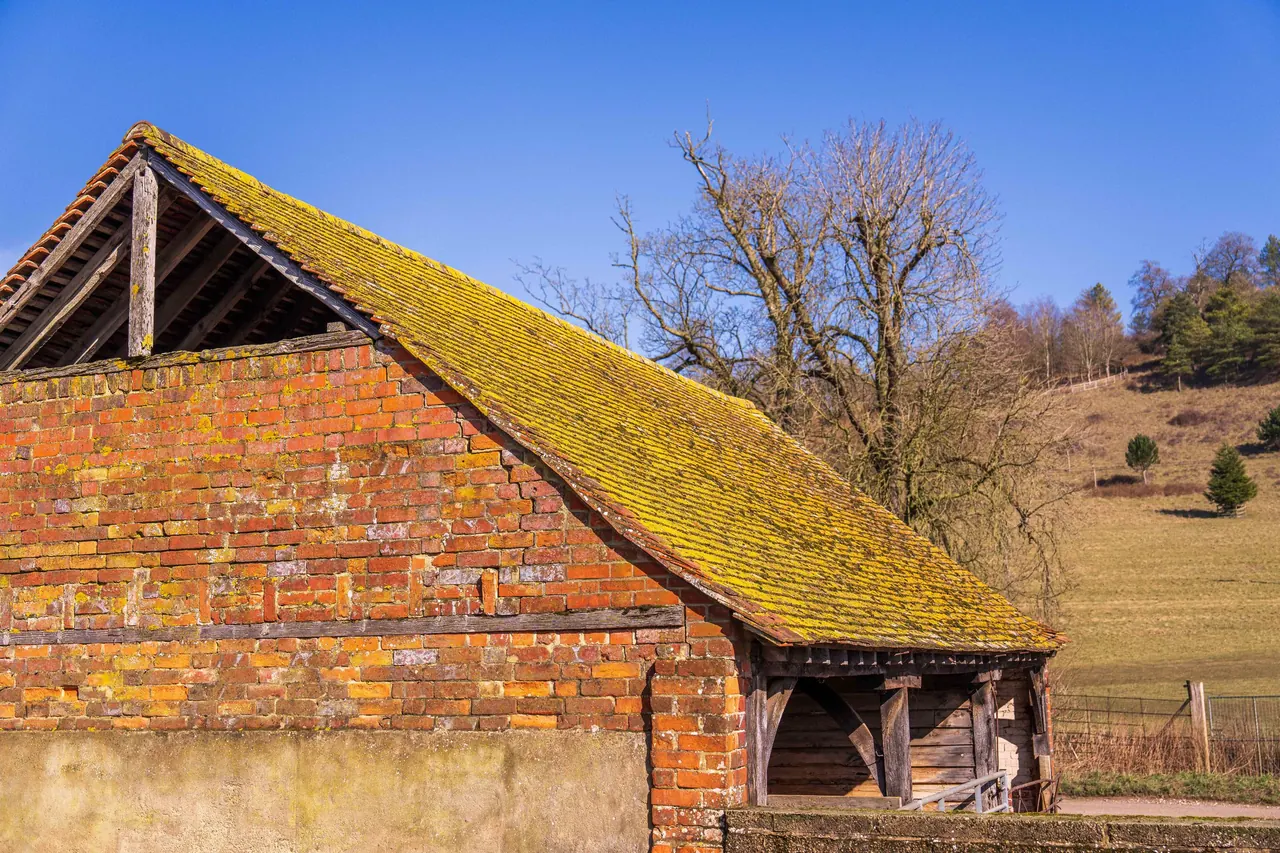
The Grade II cottages at 3 to 9 Wrights Row were first leased in 1684 and probably got their present red brick fronts in the late 18th century. They have a dentil cornice under the eaves and red plain tile roofs. The Firs at 36 Manor Road has a red plain tile roof too, in an M shape with a hip to the south.
Plain tiles are small and hang on nibs, with only some of them nailed. When the battens behind soften, or old nibs snap, tiles creep down the slope in patches rather than one at a time. On a listed roof the repair uses matching tiles of the same size and colour, often reclaimed, and keeps the ridge and eaves detail as it was. The ridge stacks on these cottages have their own needs, covered on our Wallington chimney repairs page.
Hips, bays and gables on the interwar semis
The magpie-gabled semis across Acre Lane, north of the Green, are now close to a hundred years old, and roofs like theirs tend to need the same handful of repairs:
- Hips and ridges. The mortar under hip and ridge tiles cracks and washes out after decades of frost, then the tiles loosen in wind. Rebedding and repointing them is a common repair on interwar semis.
- Bay roofs. The little roof over a bay leaks where it meets the wall, and the damp shows above the window inside.
- Gable verges. Mortar along the edge of a front gable falls out, the verge tiles loosen, and the bargeboard behind starts to take water.
- Re-roofed semis. Where a roof has been re-covered in concrete interlocking tiles, a broken tile is easy to match, but the joint with next door's original roof needs more care.
Slates on Manor Terrace and the Old Town villas
Manor Terrace on Manor Road has steep slate roofs, and many of the 1860s villas round Holy Trinity and the bigger houses on Clifton, Belmont and Park Roads have roofs of several slopes. Where they are slated, the iron nails are what give first. As a nail rusts through, its slate slides out, usually from a rear slope that nobody sees, and the gap lets rain straight onto the battens. We refix or replace slipped slates to match the size and colour of the rest. Valleys between the slopes are the other weak point: they collect leaves, and their linings wear until water gets under them. Where the lead at an abutment or round a dormer has split, it is renewed rather than smeared with sealant.
Where a stain on an Old Town landing comes from
On a tall villa, water often travels along a rafter or a party wall before it shows, so a stain on a second-floor landing can come from a slope some distance away. We look from the loft where we can, and on a tall or complicated roof we fly the drone first, so you see the fault in a photo before anyone climbs up. The quote says what we found, what we would fix and what can wait. If the repair uncovers rotten battens, we stop and show you before the job changes. The main roof repair page lists the full range of repairs, and the wider conservation area is described on our Wallington roofers page.
Once slates are flaking across whole slopes, or slipping faster than they can be refixed, repair stops being good value, and our article on repair or full replacement covers the signs.
Frequently asked questions
Do I need listed building consent to repair the roof of my cottage on Wrights Row?
Not usually for a genuine like-for-like repair: the same plain tiles, the same ridge, the same detail at the stack. Anything that changes the look or the materials of a listed roof can need consent, so if a repair would mean a different tile or a new detail, ask Sutton's conservation officer before work starts. We can describe what we plan in writing for you to check.
Mortar is dropping from the front gable of my semi across Acre Lane. Is that urgent?
Not an emergency, but do not leave it into winter. Mortar falling from a verge means the edge tiles are losing their bedding, and in a gale they can follow it. We repoint the verge, refix loose tiles and check whether the bargeboard behind has softened.
My flat is in a divided villa on Belmont Road. Who should arrange the roof repair?
Usually the freeholder or the managing agent, as the roof is normally a shared part of the building. Your lease says for certain. We can send photos of the fault to whoever is responsible, so the repair is not held up while that is worked out.





