



 Google reviews

Party-wall joins on Lavender, Mint and Bernard Roads
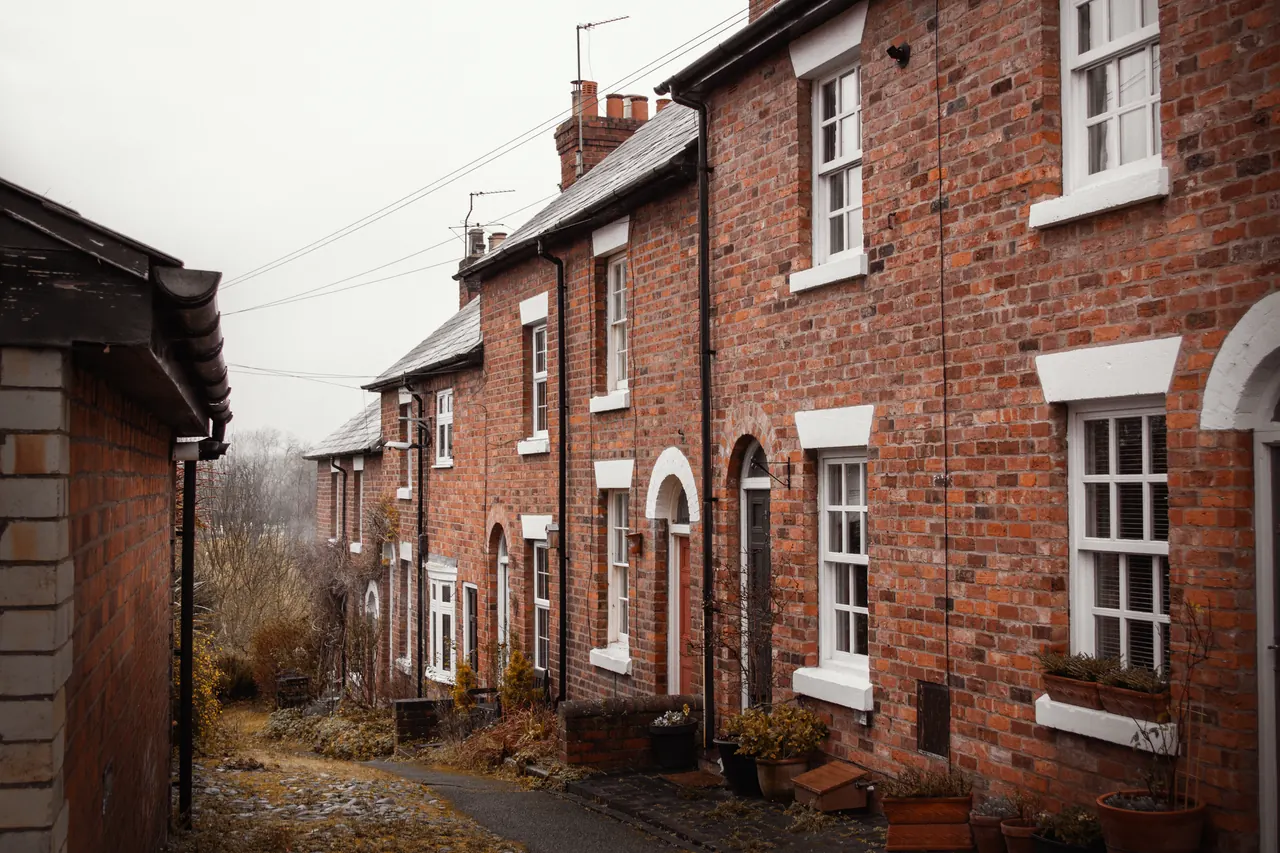
Lavender, Mint and Bernard Roads were built in 1907 and 1908 on the grounds of Wallington Lodge, and Lodge Road went up alongside them. They are terraces of red brick to the ground floor and render above, some with front gables, and an older Victorian terrace stands on the west side of Bernard Road. Along a terrace your gutter is a stretch of a longer line that may carry next door's water to your downpipe, or yours to theirs.
New gutters here start with that line. We find where each downpipe drops, which way the water runs and where the joins with the neighbours sit, then set the fall so your section empties without sending extra water onto either side. The joins at each end are sealed to the existing gutter, even where theirs is a different age or profile. Render below a leaking joint stains, grows green and eventually blows, so a clean, sealed join is the part of the job that lasts or fails. If only one joint or bracket is at fault, a gutter repair in Wallington may be all you need.
Villas and big roofs in Old Town
The villas round Holy Trinity and on Clifton, Belmont and Park Roads have large roofs of several slopes, so a lot of water reaches each gutter in a storm. On these, a deeper profile and enough downpipes matter more than the material. Cast iron or aluminium suit the age of the houses; uPVC in a traditional half-round or ogee profile is the cheaper option. On a listed house near the Green, swapping cast iron for plastic is a change to check with Sutton planning before it is made.
A tall villa also changes how the job is done. Gutters two or three floors up can need scaffold, so it is worth combining a new run with any roof or fascia work that needs the same access.
Eaves detail in the Park Hill Road area
Sutton's 2020 appraisal for the Park Hill Road character area asks that detailing on eaves, roofs and guttering be conserved along all elevations and, where it has been lost, put back. On those Edwardian houses that means following the original line round the hips and the bay roofs, keeping the gutter in proportion with the eaves, and leaving in place the brackets that carry wide eaves over the bays. If the fascias behind are soft, our fascias and soffits work in Wallington can be done in the same visit.
Whatever the house, a new run goes on to a sound board, with brackets at the right spacing so it cannot sag, a fall of roughly 1:600 towards each outlet and every downpipe taken to a drain, soakaway or water butt. The whole run is tested with water before we leave. On lifespan, MyJobQuote's gutter guide gives metal gutters such as cast iron and aluminium up to 50 years with care, against up to 25 for uPVC. For a detached house with long straight eaves, our page on seamless gutters in Wallington explains when a one-piece run is worth it, and the gutter installation page compares the materials.
Frequently asked questions
Next door's gutter on our Mint Road terrace drains into my downpipe. Can new gutters change that?
Sometimes. If your downpipe takes more than its share, an extra outlet can let your section drain on its own, provided there is a drain or soakaway to take it. Otherwise the gutter and outlet are sized for the combined flow. Either way we talk it through before changing anything at the boundary.
The west side of Bernard Road is older than the rest. Do those houses need a different gutter?
The Victorian terrace there may differ from the 1907 houses in eaves height or gutter profile, so the join at the end of the run needs care. The choice of material is the same: cast iron or a traditional-profile uPVC both suit it.
My Park Hill Road house has gutters round a hipped bay. Can they be replaced without losing the shape?
Yes. The bay gutter is fitted to follow the hip, with corners set to the same angles as the old run and its outlet tied into the nearest downpipe. That keeps the line the appraisal asks owners to preserve.





