



 Google reviews

Gutters on listed fronts along Park Hill
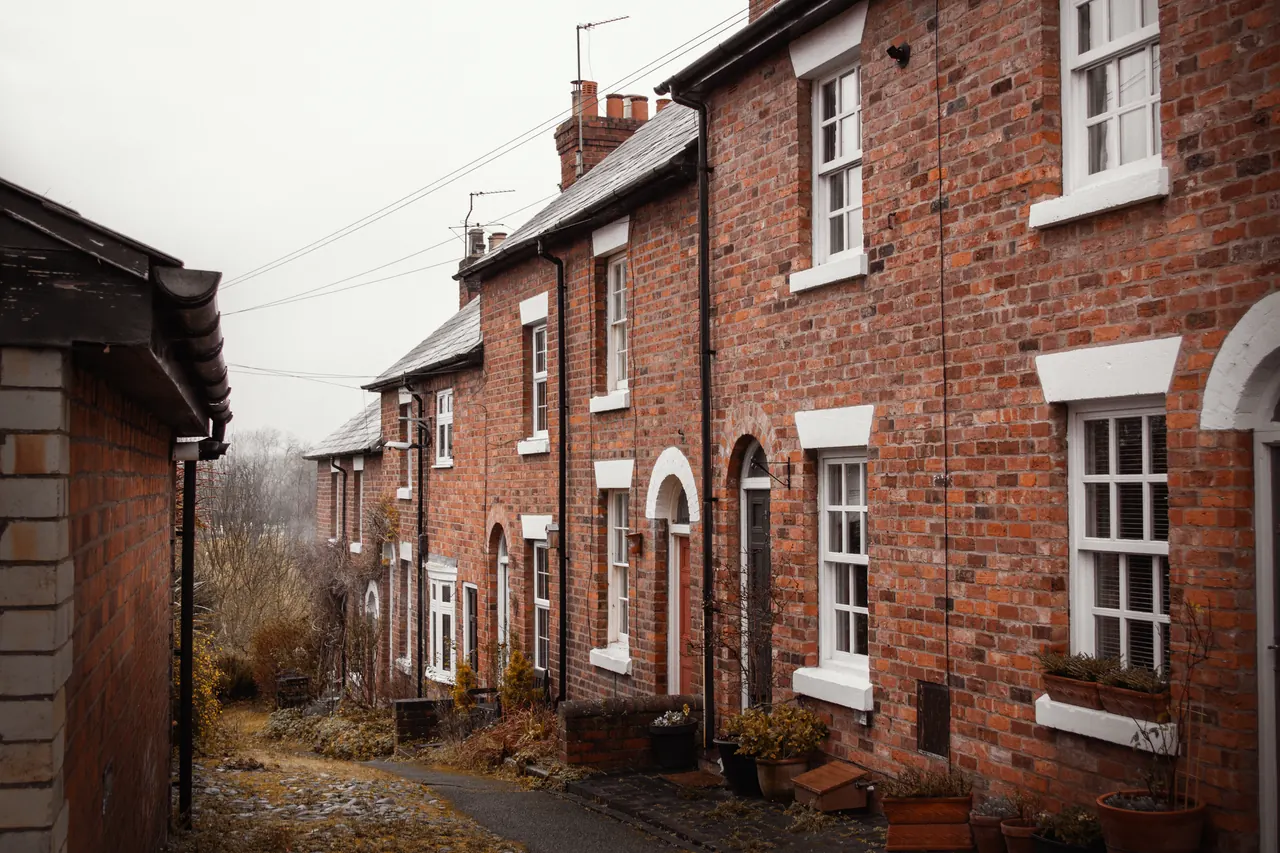
Park Hill has some of Carshalton's older listed houses. The pair at 25 and 27 Park Hill are listed at Grade II, late 18th to early 19th century, with slate roofs. On a listed house like these, the gutters and downpipes are part of the listed front.
That changes the job. Taking down a run of old cast iron and putting up plastic in its place is a change to the look of a listed building, and it may need listed building consent. Even where a house is not listed, in a conservation area the council may expect a traditional gutter to be replaced like for like on the front. We fit cast iron where that is called for, or aluminium in a matching profile where that is acceptable, which is lighter and needs less painting.
Gabled villas on the old Carshalton Park estate
The houses built on the Carshalton Park estate plots from the 1890s are larger, with several slopes, front gables and rear wings. A lot of roof often drains to one short length of gutter at the foot of a valley, so the size of the gutter matters as much as its look. An undersized new gutter overflows at that corner in every heavy shower, however clean it is.
When we plan the new system, we look at how much roof drains to each outlet and add outlets or a deeper profile where needed. Where the original downpipes ran through hoppers on the wall, we keep that arrangement or improve it, rather than leaving a long horizontal run with no fall. Gutters on houses this size are usually high, so we also plan safe access before the day, which on a three-storey gable can mean a tower or scaffold rather than ladders.
Matched pairs on the interwar streets
On the 1920s and 1930s semis that make up most of SM5, uPVC is the normal choice and the sensible one. The thing to get right on a semi is the look of the pair. Many of these houses already have uPVC in half-round or square profile, and the new run should match next door's in shape and colour, with a neat stop end or union at the boundary.
A typical installation includes:
- checking the fascia is sound enough to take new brackets, and renewing it first if not
- brackets at the right spacing so the run cannot sag between them
- a steady fall to each outlet, with no low spots
- downpipes connected into the drain or a water butt, not left to spill at the foot of the wall
Where timber fascias have rotted behind the old gutter, we quote for fascia and soffit replacement at the same time so the roofline is finished in one visit. For long straight runs at the back of a bigger house, our one-piece gutter page is worth a look.
MyJobQuote's guttering guide puts supply and fit for standard uPVC at about £40 to £50 a metre across the UK, with metal systems costing more. Height, access and the number of downpipes decide the rest. The main gutter installation page compares the materials side by side.
Frequently asked questions
Does changing the gutters on a listed house on Park Hill need consent?
Replacing like with like normally does not. Changing material, for example from cast iron to plastic, alters the appearance of a listed building and may need listed building consent, so check with Sutton Council first.
My house in the Park Hill conservation area is not listed. Can the new gutters be uPVC?
At the back, usually. On the street front, the council may prefer cast iron or a traditional-profile metal gutter, so ask before ordering. Aluminium in a period profile is often a sensible middle way, and keeping traditional gutters on the front with plastic or aluminium at the back is a common split.
Can the new gutter on my 1930s semi match next door's?
Usually yes. Most interwar semis have common uPVC profiles and colours, and we match the run on your half so the pair still looks like a pair from the street.





