



 Google reviews

What wears out under an interwar tile
Sutton Council's conservation area appraisal records that the greater part of suburban Carshalton was developed in the 1920s and 1930s. Some of those houses have been re-covered since, and some have not.
Age alone is not a reason to replace. Plenty of original tiles are still sound. What wears out is what holds them: nails rust, battens go soft, and the old bitumen felt under the tiles goes brittle and tears between the rafters, or was never there in the first place. When tiles slip from different parts of the roof rather than one area, there have been several leaks in a couple of years and the battens crumble when touched, a replacement usually costs less over the next decade than repeated repairs. The main roof replacement page goes through those signs in more depth.
Hips, shared ridges and the house next door
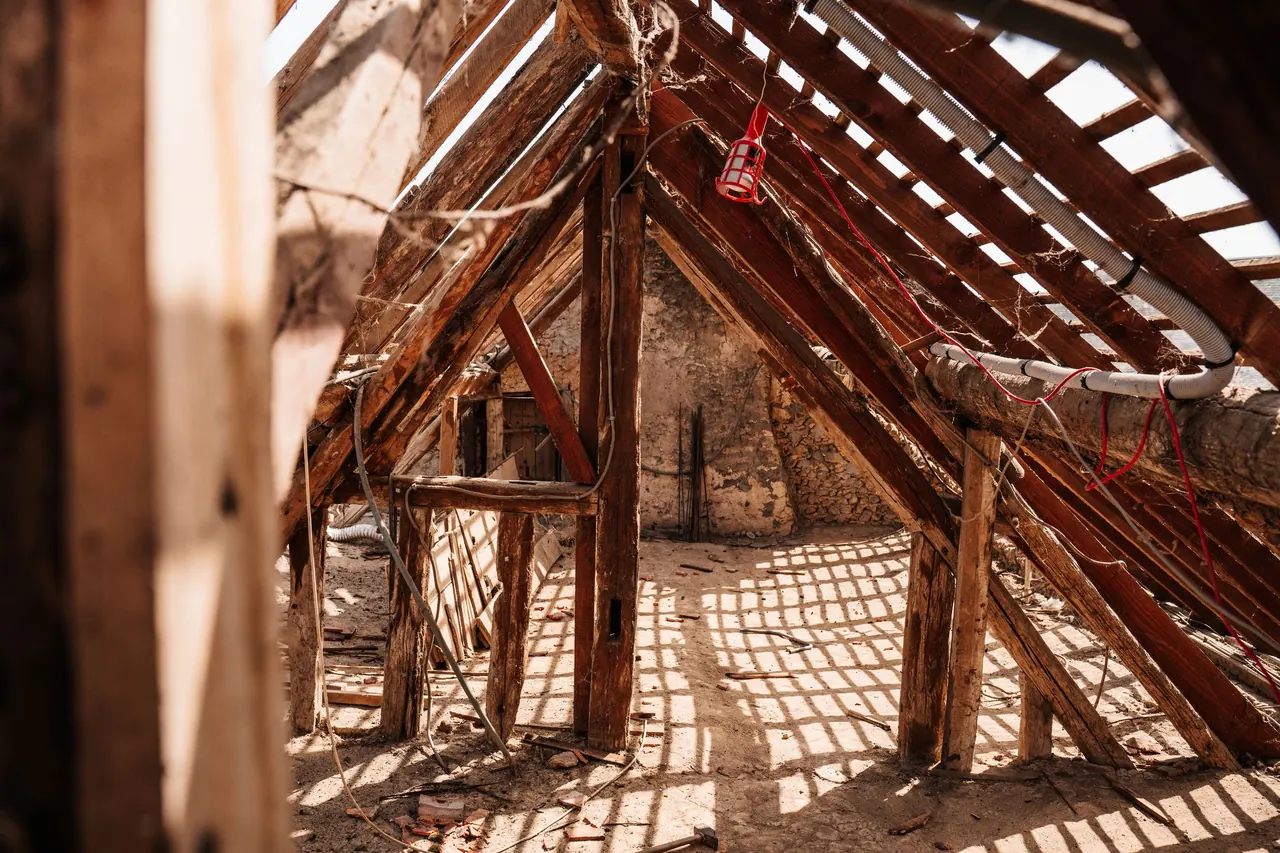
Most SM5 semis have hipped roofs, with the ridge running along the pair and a hip at each outer end. Re-roofing your half means scaffold front, side and rear, stripping tiles, battens and felt back to the rafters, and repairing rafter feet, wall plates and the timbers around the stack, which are the parts most often found rotten. A breathable membrane and new battens go on, then the covering is laid from the eaves up and the hip, ridge and flashings renewed.
At the party wall, the new work has to meet your neighbour's old roof neatly, with the ridge line carried through and the join weathered so water cannot run between the two. The colour matters too. A semi re-roofed in a very different tile stands out from the street, so it is worth matching the neighbour's tile as closely as you can, or saving sound originals for the front slope. If the fascias have gone, our fascias and soffits work is cheapest done while the scaffold is up.
The Which? cost guide puts a new tiled roof at £7,000 to £21,000 before VAT, as a national guide figure. The size and shape of your roof decide where in that range a real quote falls.
Slate stays slate in the park conservation areas
The older houses on the 1890s park plots, and those in the Park Hill conservation area, are a different job. Many are slate or clay tile, and in a conservation area a change of covering alters the character the council is protecting. A like-for-like re-roof in the same material is normally treated as maintenance and needs no planning permission, so the plan is for slate to go back as slate and clay as clay, with new or good reclaimed material. A listed house is the exception that needs a conversation with the council first.
A re-roof is also the point where it is cheapest to fix the stack properly, since the scaffold is already there. Rebuilding the top courses or renewing the flashing then costs far less than coming back later.
Insulation and sign-off
Renewing a whole roof is more than a tiling job in the eyes of the regulations. Where more than a quarter of a roof is being renewed, building control will usually expect the insulation to be brought up to current standards; the Planning Portal explains the rule, and interpretation can vary between building control bodies. In practice that usually means more insulation at the ceiling or between the rafters, and attention to ventilation so the new membrane can work. The quote sets out what will be upgraded and how the work will be signed off. If you are still weighing a repair against a re-roof, our article on repair or replacement walks through it.
Frequently asked questions
Next door re-roofed their half of our 1930s Carshalton semi in concrete tiles. Do we have to match?
No, but it is worth thinking about. Matching them keeps the pair looking like one house, while a tile closer to the original may suit the street better. Either way, the join at the party wall is weathered so the two roofs stay watertight.
Will re-roofing my SM5 semi mean more loft insulation?
Usually yes. Building control will normally expect the insulation to be brought up to current standards when most of a roof is renewed, so what is needed goes in the quote rather than being added later.
My house is in the Carshalton Park conservation area. Does a like-for-like re-roof need permission?
Re-roofing in the same material, so the house looks the same from the street, does not normally need planning permission. A change of covering is different, because it alters what the conservation area protects, so speak to Sutton Council before choosing anything new.





