



 Google reviews

North Street and West Street, full by 1935
Old Ordnance Survey maps reproduced in Sutton Council's 2020 draft appraisal of Wrythe Green show both North Street and West Street fully built up by the 1934 to 1935 sheet, with shops on the east side of the Green where the old parish workhouse had stood. The houses on those streets are late-Victorian or interwar, and some of their roofs have been re-covered since, while others may still have their first battens and felt.
Age alone is no reason to replace a roof. What decides it is the state of the felt and battens. Old bitumen underfelt goes brittle and tears between the rafters, and soft battens stop holding nails, so tiles start slipping in several places at once. Both show clearly from the loft, which is where we start. If what we find is one bad area, we will say a repair will do.
On the interwar streets beyond the Green, the covering is usually clay or concrete tile, original or replaced. Clay tiles that flake or have lost their nibs, and concrete tiles worn to a rough, porous surface, are past saving. A re-roof there means new membrane and battens and a tile that suits the street, and the bay and porch roofs are usually re-covered at the same time so the front matches.
Slate again on Wrythe Green Road
The oldest roofs face the Green. The listing for 1 and 2 Wrythe Green Road records a slate hipped roof, and Woodcote House, listed as Bedford Cottage, has a slate roof shaped to follow its bay. On houses like these a re-roof means natural slate again, laid to the same pattern, with sound old slates sorted and reused where they will go, and new lead at the stack and abutments.
Changing the covering on a listed building, or losing its features, needs listed building consent. Even a like-for-like re-roof on one of these houses is worth raising with Sutton Council before it is booked.
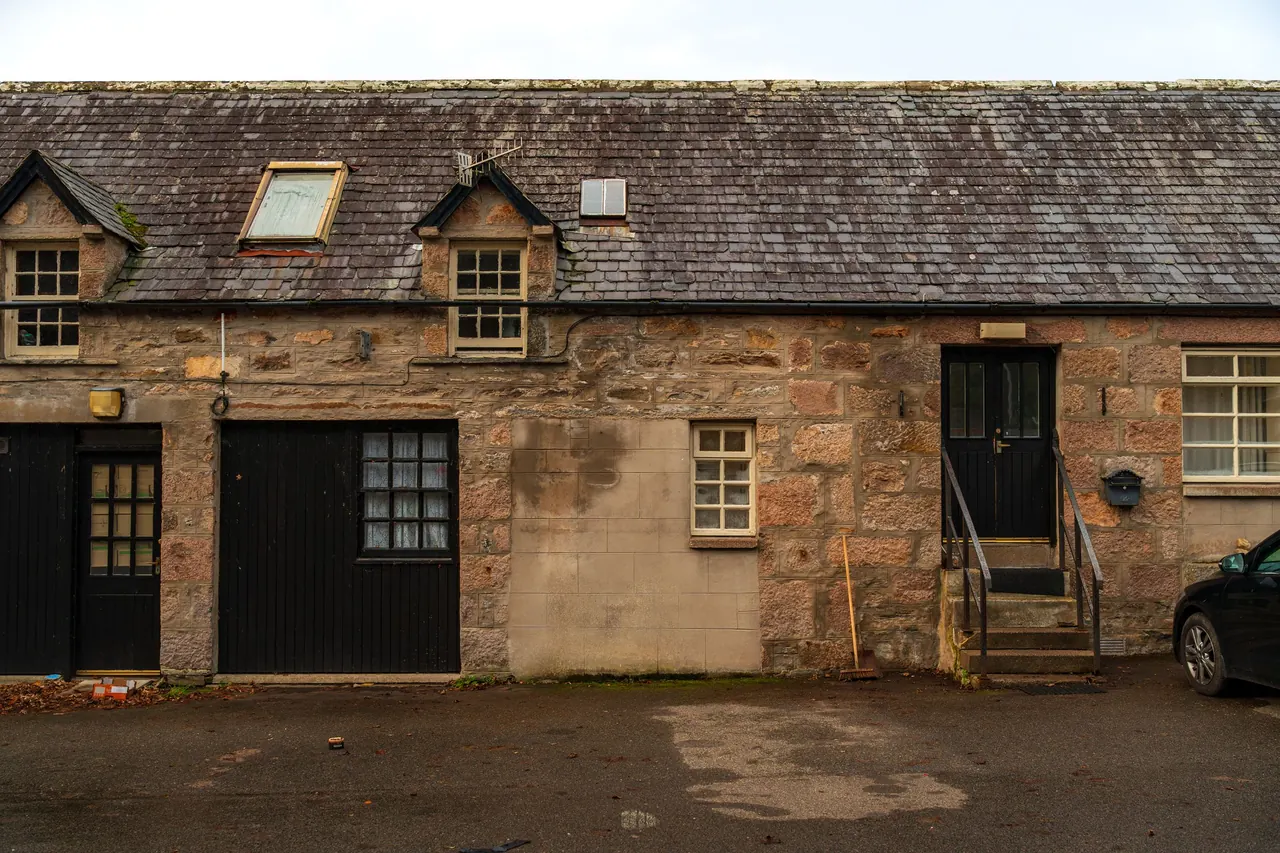
Re-roofing half a pair on West Street
Many of the late-Victorian houses on West Street and North Street are square hipped pairs, such as Nos 136 and 138 West Street. A re-roof on one half leaves the other half as it was, so the work at the party line matters most. The new covering stops at the line between the houses, the join is made weathertight, and the hips and ridge are matched so the pair still reads as one roof from the street.
The same thinking applies on a terrace. Kynnersley Close's 12 houses, built in the 1970s, have roofs that run on from house to house, and re-covering one house means making good the joins with the houses either side.
A full re-roof comes under Building Regulations, which can mean improving the loft insulation where practical, and we explain what applies when we quote. For a broad picture of cost, Checkatrade's roof replacement guide gives a UK spread of about £4,000 to £19,000, wide because size, covering and access vary so much. Our roof replacement page compares the coverings.
Frequently asked questions
My half of a West Street pair needs a new roof but next door's does not. Can it be done?
Yes. We re-roof your half up to the party line, make the join weathertight and match the hips and ridge. It is worth telling your neighbour before the scaffold goes up.
Do I need consent to re-roof one of the listed houses on Wrythe Green Road?
If the work changes the roof's character, for example a different material, a different slate or lost features, listed building consent is needed. Even like-for-like work is worth discussing with Sutton Council first.
Should I re-roof before a hip-to-gable loft on my 1930s semi?
Doing them together saves paying for scaffold twice. The loft side of that job is covered on our roof installation page for The Wrythe.
Is a 1970s Kynnersley Close roof old enough to need replacing?
Not on age alone. If the tiles are sound and the felt in the loft is intact, repairs may keep it going for years. Brittle, torn felt or slipping tiles across the slope are the signs that it is time.





