



 Google reviews

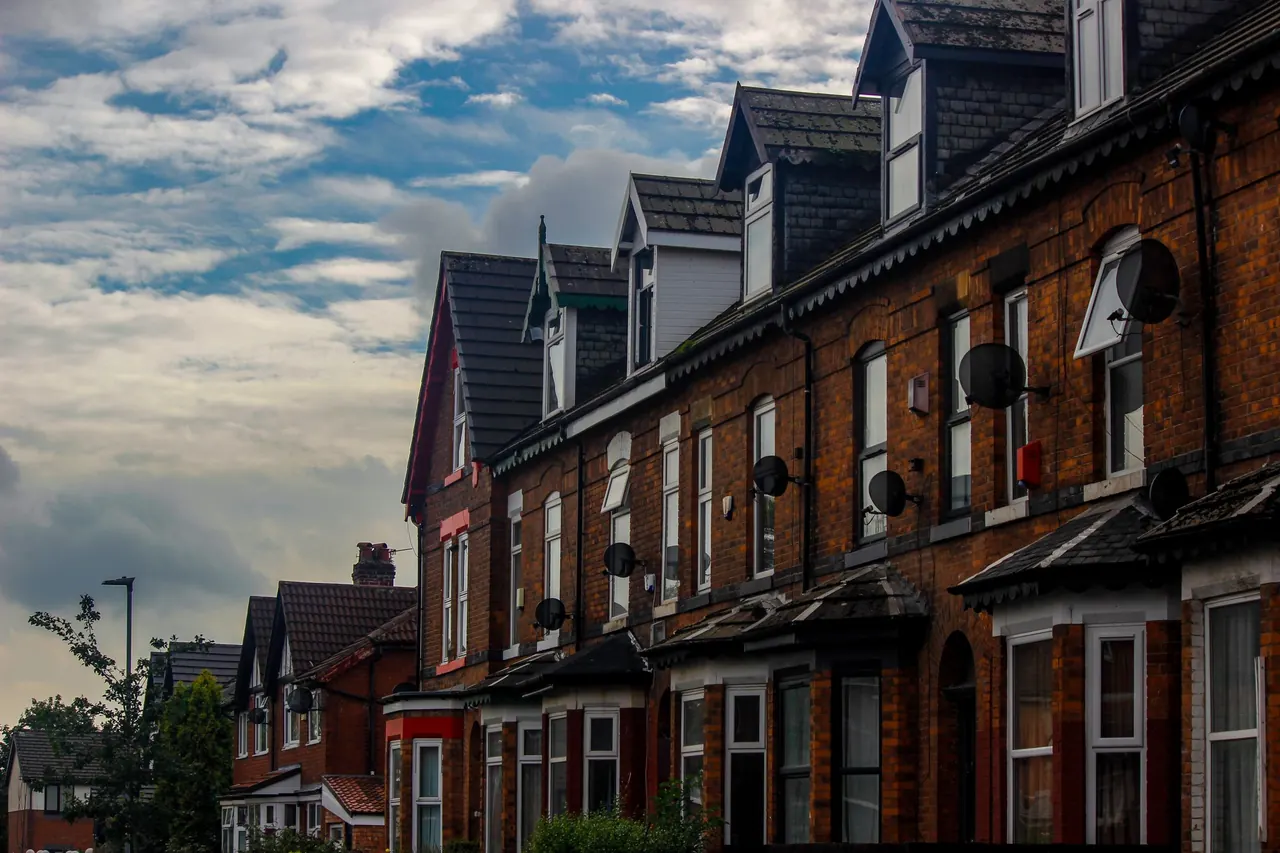
William Street's foundry-era terrace
William Street runs off the east side of Wrythe Green. Sutton Council's 2020 draft appraisal says the terraced houses at Nos 14 to 18 reflect the working past of the area, and that a foundry once had its main access on the street. The three houses, with 2 to 6 William Street, were added to the conservation area in the 1995 review.
A short terrace is a good case for seamless guttering. Sectional gutter comes in fixed lengths with a joint every few metres, and each joint relies on a rubber seal that hardens with age. A seamless gutter is made from aluminium to the exact measured length of each straight run, so the run along a front has no joints at all. Joints remain only where they have to: at corners, stop ends and the outlets into the downpipes.
If all three owners go ahead together, the fronts can carry one unbroken line with a single profile and colour. If only one house goes ahead, we make that section to length and finish it neatly at the boundary, where it meets next door's gutter. Either way we check the boards first. A seamless gutter needs sound fascias to fix to, and soft ones are replaced beforehand through our fascias and soffits work.
The shop blocks on Green Wrythe Lane
Round the corner, the appraisal describes Nos 30 to 36 Green Wrythe Lane as an interwar block of shops with flats above, and 1 Green Wrythe Lane with 2 to 8 William Street as a typical post-war shopping parade. Buildings like these have long eaves at the front and often again at the back, where a dripping joint can go unnoticed above a yard for a long time. One measured run per straight elevation takes those joints out. On a parade with several owners or a single freeholder, the freeholder or managing agent is usually the one who decides and pays, so it helps to bring them in early.
The longer terraces of Kynnersley Close, facing the Green, are the other obvious candidates. Their eaves run straight along each terrace, and neighbours who replace together get the longest one-piece runs.
Colour and profile beside the listed houses
Not every house round the Green suits aluminium. On the listed houses of Wrythe Green Road and the decorative Victorian fronts on West Street, a cast iron profile is usually the more fitting choice, and our gutter installation page for The Wrythe covers those. A hipped interwar semi gains less too, because its gutter turns a corner at every hip and each corner keeps a joint.
Where aluminium does suit, it comes in a range of coated colours, so a William Street or Green Wrythe Lane front can have a gutter chosen to go with its windows and doors. Coated aluminium does not rust and does not need painting. The seamless gutter installation page explains the system and its costs in more depth.
Frequently asked questions
Can one seamless gutter run the full length of the William Street terrace?
Yes, if the eaves are straight and all three owners agree. The run is made to the measured length, so the only joints are at the ends and the downpipe outlets.
Only my house in the row wants new gutters. Is seamless still worth it?
It still removes the joints along your own front, which is where the old seals fail. The run stops at your boundary and is finished neatly where it meets your neighbour's gutter.
Can a coloured aluminium gutter go on a house in the conservation area?
On a modern or plain front it often can. On a listed or decorative period house, check with Sutton Council first, since the council favours materials in keeping with the original.
Can the new outlets sit where my existing downpipes are on Green Wrythe Lane?
Usually, yes. The downpipe positions are measured along with the run and the outlets made to suit, so the existing drains and gullies can be reused.





