



 Google reviews

Two roofs on one terrace house
A 2019 energy certificate for a mid-terrace on Wood Street describes two kinds of wall, solid brick and cavity, and two pitched roof sections. One has 100mm of loft insulation. The other is assumed to have none. Read plainly, that is an older house with a later addition, and two roofs that have had very different lives.
That pattern matters when you are deciding whether to keep patching. On houses like this the main roof and the rear roof rarely wear out together. One has had its ridge rebedded and a few tiles swapped, the other has been left alone, and the leak moves from one to the other each winter. When you are paying for a repair every year and the stains keep turning up somewhere new, the sums start to favour a re-roof. Our guide to repair versus full replacement goes through the decision.
For a sense of scale, MyJobQuote's national new-roof guide gives £2,750 to £3,250 to re-roof a standard gabled roof on a two- or three-bedroom terraced house, and £3,500 to £4,000 where the roof has a valley, supplied and fitted but before scaffolding. Those are published guide figures. A house with a second rear roof adds to them, and your own figure comes after we have looked at both.
Doing the rear roof at the same time
On a terrace the scaffold is the big fixed cost, so once it is up, re-covering the rear roof in the same visit usually costs far less than coming back for it in a few years. The junction where the lower roof meets the back wall gets rebuilt properly rather than patched round, with new lead tucked into sound mortar.
With the rear roof open, it is also worth looking at its insulation. Putting it in is far easier with the covering off than from a cramped void afterwards. The same scaffold gives access to the roofline, so fascias and soffits in Beddington Corner and new gutters can go up while it is there.
On a terrace the work also runs along the party walls on both sides. We look at how your roof meets each neighbour's before starting and finish those junctions so neither roof is left open, and it helps to tell your neighbours before the scaffold goes up.
Re-slating the Mill Green Road villas
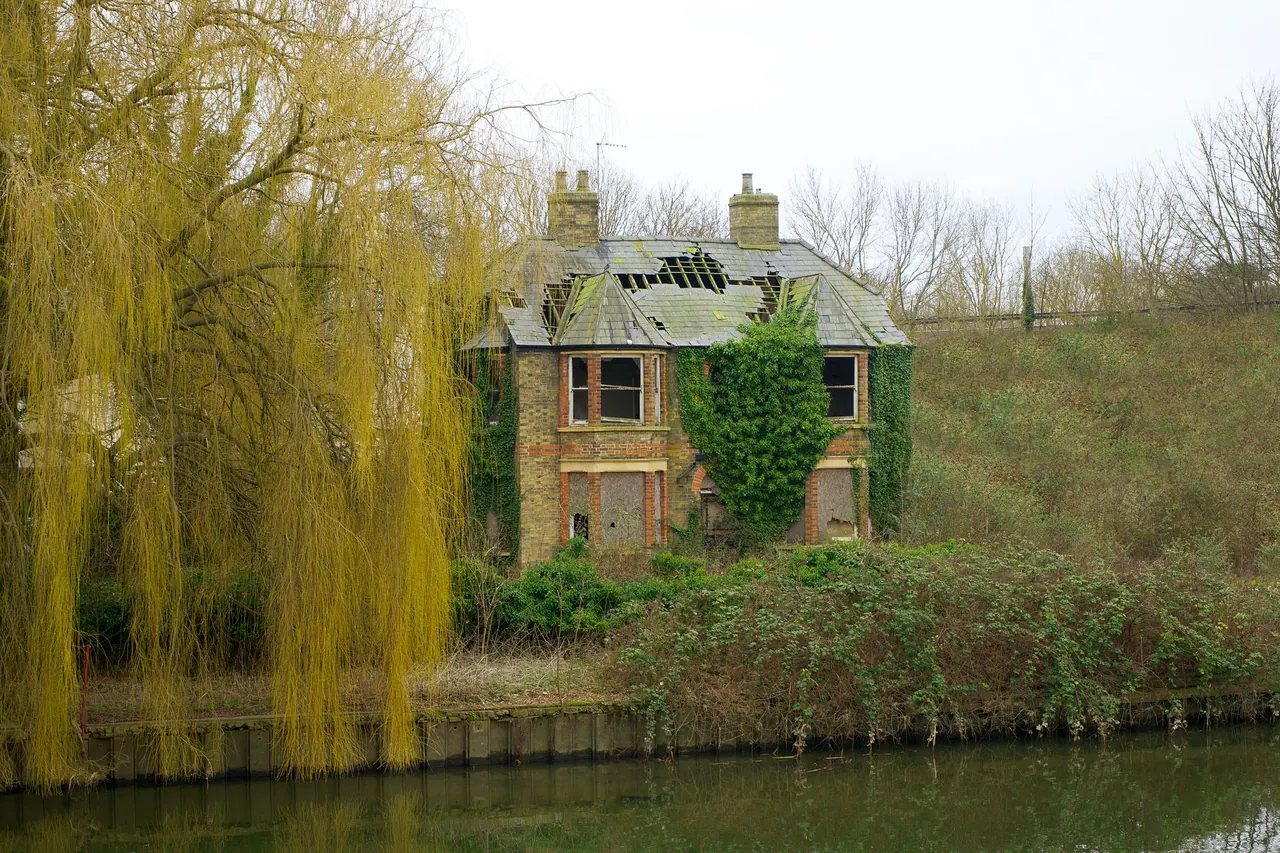
The listed Crieff Villas at 40, 44 and 48 Mill Green Road and Riverside on Middleton Road have hipped slate roofs. A re-roof on one of these houses means natural slate to match, new lead wherever lead is used, and possibly listed building consent, so check with Sutton before work starts. The overhanging eaves get their timbers checked while the roof is open, because they are hard to reach any other time.
On unlisted houses, re-covering like for like normally needs no permission, and the Area of Special Local Character does not change that on its own. It is still worth choosing a covering that sits with the houses either side. Our main roof replacement page covers Building Regulations for re-roofing.
Frequently asked questions
The rear roof on my Wood Street house has no insulation. Can it go in during the re-roof?
Yes, and this is the easiest time to do it. With the covering off, insulation and a breathable membrane can go in from above without crawling into the void. We set it so air can still move at the eaves.
Do the Crieff Villas have to go back in natural slate?
In practice, yes. On a listed building a change of covering is very unlikely to be approved, and natural slate is what the listing describes. We source slate to match the size and colour of the original, and check with Sutton before work starts.
My York Street roof was re-covered in concrete tiles years ago. Is that a reason to replace it now?
Not on its own. Concrete tiles are heavy but can last well. The reasons to replace are the ones underneath: failed felt, soft battens, or tiles slipping across a slope. A look from the loft and the drone tells you which you have.





