



 Google reviews

What the Carshalton House walls teach about old stacks
Look along the old boundary walls of the Carshalton House estate on West Street and you can see what decades of weather do to soft old brick. Sutton Council's conservation area appraisal describes them as badly deteriorated, with spalling bricks and limited repairs in places. It also records the fix: the walls are being repaired with lime mortar suited to their age, not the standard cement mortar used before.
The same logic applies to chimneys. Older brickwork was laid in soft lime mortar, which lets the wall breathe and gives way before the brick does. Repoint it in hard cement and the water that used to dry out through the joints is trapped in the bricks instead, and the faces start to flake off. On a stack, which takes the weather on every side, that damage shows quickly.
Georgian and older stacks in the village core
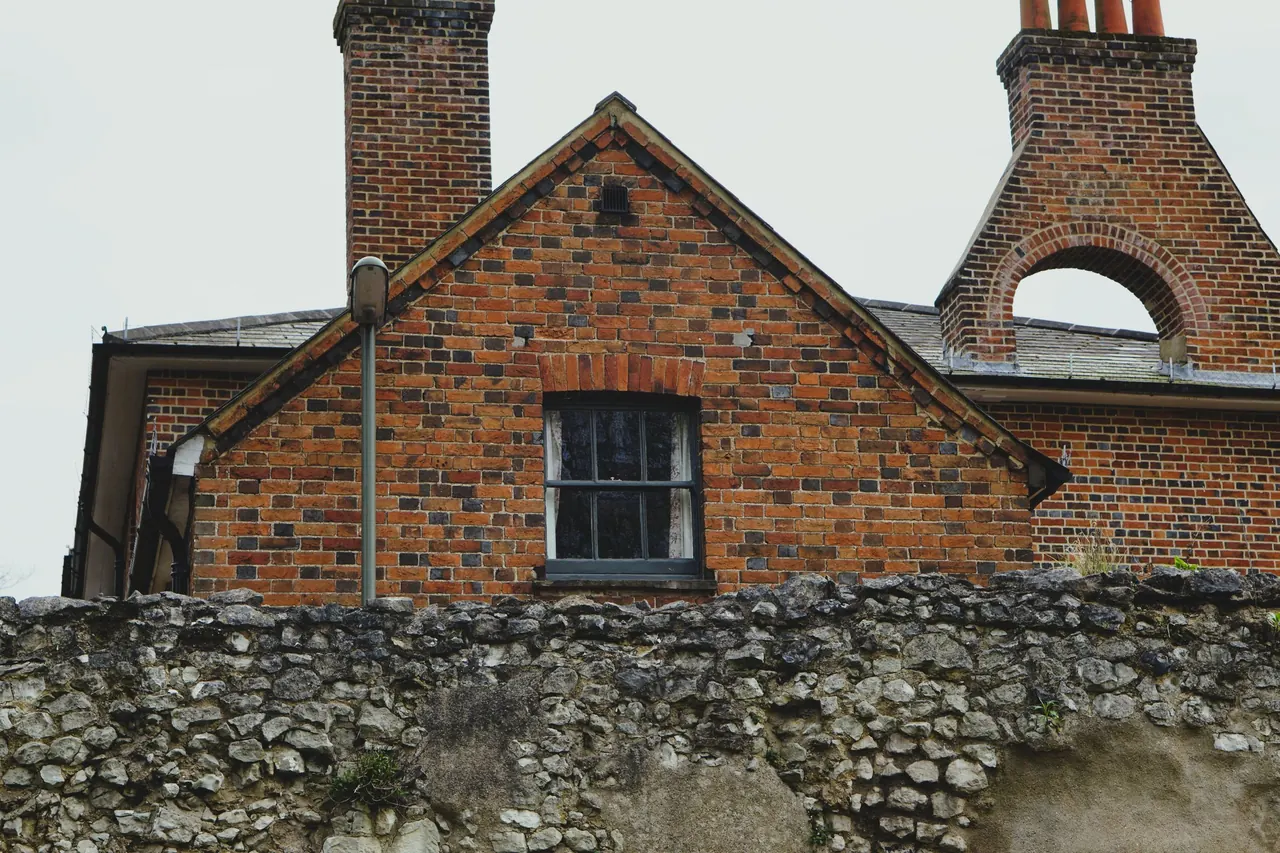
Many of the older houses around the ponds and along West Street carry old brick stacks, some of them rebuilt or cut down at the top since. Signs that a stack like that was once repointed in cement are easy to spot from the ground: hard grey joints standing proud of the brick, and brick faces crumbling around them. Raking that cement out by hand without damaging the brick is slow work, and it is the part of the job that most affects the price.
Where a stack has a cement fillet or a smear of mastic round its base in place of lead, that usually needs replacing too, because it cracks away from the brick and lets water in behind it.
Victorian stacks on Mill Lane and Westcroft Road
The Victorian stacks on Mill Lane and on the 1879 Westcroft Road terrace are newer and simpler, usually brick on the party wall with a row of pots, but they are still well over a century old. On those the common faults are worn pointing near the top, cracked flaunching round the pots and lead flashing that has lifted where the stack meets the roof. Because the stack sits on the party wall, the repair is usually agreed with next door. Our chimney maintenance guide lists the signs to look for from the ground.
Lime, lead and pots on a conservation-area stack
- raking out and repointing the stack in a mortar that suits the brick, lime where the stack was built in lime
- refitting or renewing lead flashing, dressed into the brick joints
- renewing flaunching and resetting loose pots
- fitting caps or ventilated cowls to flues that are no longer used
A drone flight round the stack before quoting shows the lead, pointing and pots close up and tells us whether scaffold is needed. For a sense of cost, MyJobQuote's chimney leadwork guide gives £150 to £250 for a patch repair to flashing and £350 to £460 for replacing all the leadwork, as national guide figures before scaffolding. Lime repointing on an old stack is slower than cement and priced separately.
Chimney stacks are part of what the conservation area protects; on a listed house, see our Carshalton Village overview on consent before anything beyond like-for-like repair. If the tiles round the stack need work as well, our roof repair team for the village can do it on the same visit. The main chimney repairs page has more on the service.
Frequently asked questions
Should the old stack on my West Street cottage be repointed in lime or cement?
If it was built in lime mortar, as almost all stacks of that age were, it should be repointed in a suitable lime mix. Cement is harder than the old bricks and makes them take the damage instead of the joints.
Someone repointed my stack in cement years ago and the bricks are now flaking. Can that be undone?
Usually, yes. The cement is raked out carefully, badly damaged bricks are replaced with ones to match, and the stack is repointed in lime. It takes longer than a cement repoint, which is reflected in the quote.
The stack on my Mill Lane cottage is shared with next door. Who pays for the repair?
A shared stack is usually repaired by agreement between both owners, so it helps to settle that early. We can photograph both halves so you and your neighbour can agree the work before anyone books scaffold.





