



 Google reviews

Stacks on the slopes of the dry valley
Carshalton lies on the dip slope of the chalk near the northern edge of the North Downs, and a prominent dry valley runs through Carshalton Beeches. That means the houses do not all sit at one level. Those on higher, more open plots tend to take the wind and rain more squarely, while those in the lower ground are more sheltered by their neighbours and trees.
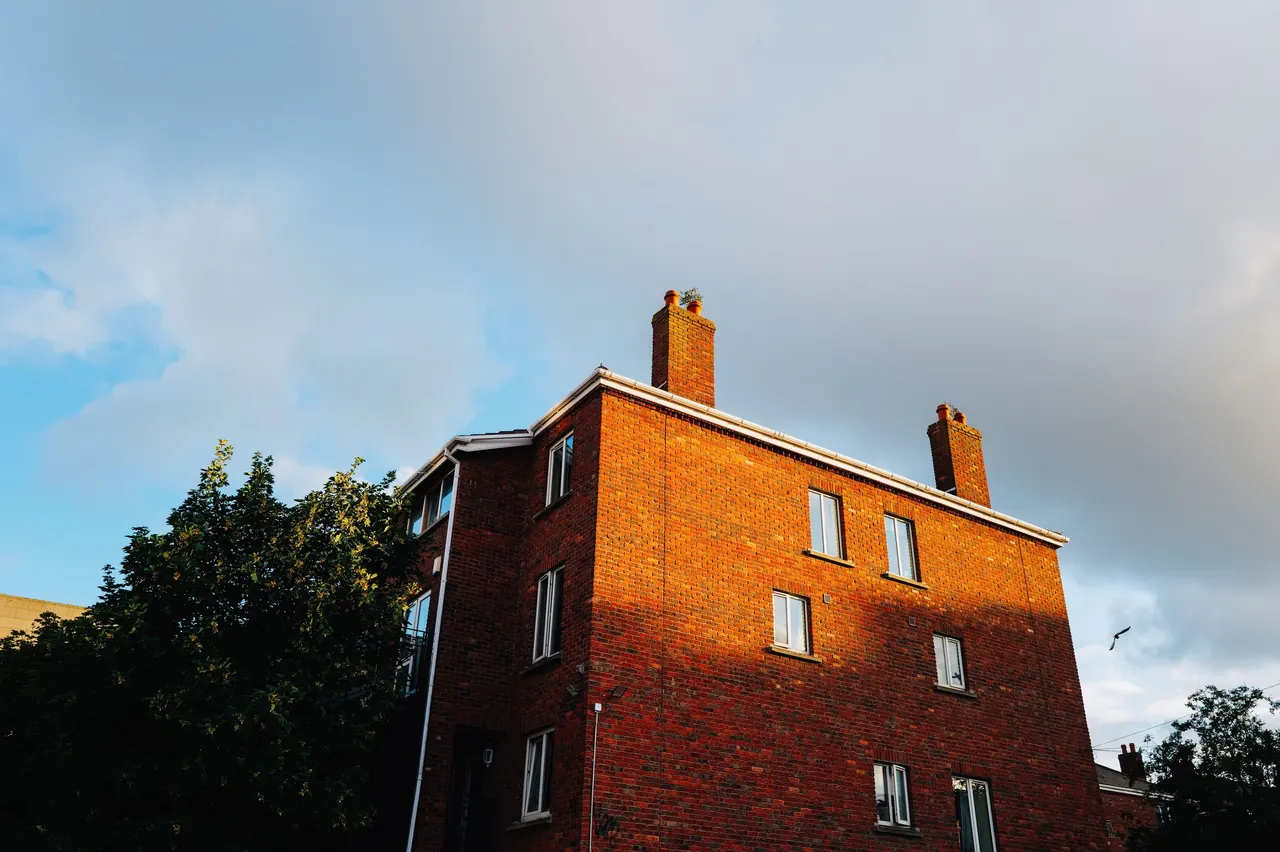
A chimney stack is the part of a roof that stands proud of everything else, so it shows that difference first. On an exposed plot the windward face of a stack is where mortar joints open, brick faces flake and the lead apron starts to lift at a corner. On larger houses there are often two stacks, and they can age at quite different rates depending on which way they face.
Inside, the signs are usually a damp patch on the chimney breast or the wall beside it that is worse after rain from one direction, a tide mark on the brickwork next to the stack in the loft, or twigs and nest material in a grate nobody uses. On bigger hipped roofs the stack often rises from the middle or back of the roof, out of sight from the road, so we fly the drone before quoting and decide from the photos whether roof ladders will do or a small scaffold is needed.
Lighting a Beeches grate again in a smoke control borough
Many of the older houses here still have their original fireplaces, bricked up or fitted with a stove. If you want one working again, start with Sutton Council's smoke control page, which says the borough is covered by Smoke Control Areas under the Clean Air Act 1993. Smoke from a house chimney is an offence there unless you burn an authorised fuel or use an exempt appliance. Choosing and fitting the stove and any liner is a job for a stove installer.
The outside of the stack is our part. A flue coming back into use needs sound pointing, tight lead, solid flaunching round the pots and a pot in good order, topped with a cowl or bird guard designed for a working flue rather than a cap. A flue that stays disused is better with a ventilated cap, which keeps rain and birds out while letting the flue breathe.
What the usual stack repairs cost
Most stack work here is some mix of renewing the lead apron, soakers and back gutter, raking out and repointing, renewing the flaunching, and resetting pots or fitting caps and cowls. As a published guide, MyJobQuote lists a patch repair to chimney lead at £150 to £250, or £450 to £600 where scaffolding is needed. Pensioners pay 20% less, and nothing is priced until the stack has been seen close up.
Where the tiles round the base of the stack have slipped too, our roof repair work in Carshalton Beeches covers them in the same visit, and a wider roof inspection of the house can be done on the same flight. Our chimney maintenance guide covers what to watch for between visits, and the main chimney repairs page has more detail.
Frequently asked questions
We want to light the grate again in our Edwardian house in Carshalton Beeches. What should be checked on the roof first?
The pointing, the lead, the flaunching and the pot, plus whether there is a cap on top that would need to come off. We put the outside right and fit a cowl suited to a working flue. Your stove installer deals with the liner and appliance, and Sutton's smoke control rules decide what you can burn.
Is our house in one of Sutton's smoke control areas?
Sutton Council's page says the borough is covered by Smoke Control Areas. If you want certainty for your address, ask the council's environmental health team before you buy fuel or an appliance.
Mortar keeps falling onto the drive. Is it the chimney?
Often, yes. The flaunching round the pots cracks and breaks up over time, and pieces wash down the roof into the gutter or onto the drive. Left alone, the pots work loose. We renew the flaunching and reset any pot that has moved.





