



 Google reviews

Pantile, slate and the patch next door
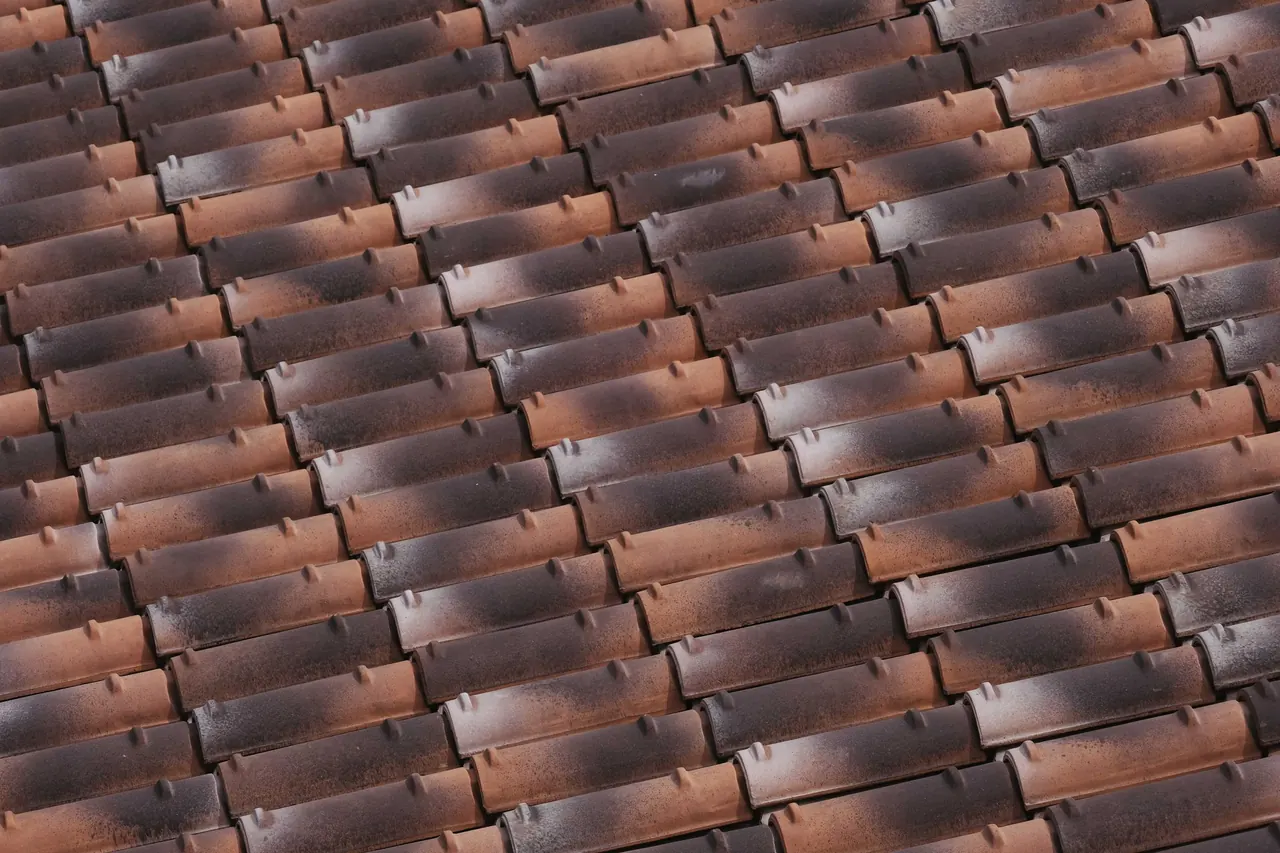
If a stain has appeared on an upstairs ceiling, the cause on a St Helier terrace is often easier to guess once you look at the roof from the street. Merton Council's study of its part of the estate records four colours of roof tile, in pantiles or slate, and the same mix runs into Carshalton. Since then, owners have re-covered their own sections at different times, so original clay pantiles, old slate and modern concrete tiles can all sit on one block.
Each covering fails differently, which is why the first job on a repair is to work out what is actually on your section:
- Pantiles interlock side to side. When one cracks or slips, the overlap with its neighbour opens, and in a strong wind the next tile can lift too.
- Slate rarely fails as a stone. The nails holding it rust through after ninety years, the slate slides down, and it often ends up in the gutter or the front garden.
- Concrete replacement tiles are usually sound in themselves. The trouble tends to be at the edges, where a re-covered section was joined to the original roof next door, sometimes with mortar or a strip of flashing tape rather than a proper detail.
On a terrace, water that gets in at one of those junctions may follow a rafter or batten for a metre or more, which puts the stain well away from the fault. It is followed from the loft and, where the slope is hard to reach, photographed by drone before anyone goes up.
Ridges and verges on a shallow pitch
The estate's roofs are low-pitched, which matters for repairs. Water runs off a shallow roof slowly, so a gap that would shed harmlessly on a steep Victorian roof lets more in here. The ridge and the gable verges are bedded in mortar, and after decades of weather that mortar cracks and washes out. On an end-of-terrace house the verge takes the wind first, and loose verge tiles are often the first thing to go in a gale.
Rebedding a ridge or verge means lifting the loose tiles, clearing the old mortar, and bedding them again on fresh mortar, or fitting a dry ridge or verge system where that suits the roof better. For a sense of scale, MyJobQuote's ridge tile cost guide lists £225 to £275 for a small repair of one to three ridge tiles, as a national guide figure.
The porch, bay and canopy roofs along the front
The LCC gave the terraces a variety of porches, door canopies on curved brackets and, on some houses, bays with clay tiles hung between the windows. Each of these small roofs meets the front wall, and on any house of this design that junction is the weak point. A lead flashing lifts, or a mortar fillet cracks away from the brick, and water runs down inside the wall or into the hallway ceiling.
Many porches have since been infilled, often under a small flat roof. Where the problem is the flat roof itself, our St Helier flat roofing page goes into it. Where it is the joint with the wall, the repair is usually a new flashing, properly chased into the brickwork.
If the nails are failing right across a slate slope, or the battens are soft wherever tiles are lifted, repairs become a running cost. Our guide on repair or full replacement explains how to judge that point, and when a re-roof is the answer, re-covering a St Helier terrace house has its own page.
Frequently asked questions
Next door re-roofed in concrete tiles and our pantiles leak at the join. Whose repair is it?
The leak is coming into your house, so the repair to your side of the junction is yours to arrange. If the fault is plainly in how next door's new roof was finished, the drone photos show it, and you can take them to your neighbour or, if they rent, to the council as landlord.
Water comes in above the front door where our porch meets the wall. Is that the porch or the main roof?
Usually the porch. The joint between a porch or canopy roof and the front wall is the common weak point on these houses. A look at the flashing above the porch settles it before anyone touches the main roof.
Mortar keeps dropping off the verge of our end-of-terrace on the estate. What is going on?
The mortar bedding the verge tiles has broken down with age and weather, and the exposed end of a terrace takes the wind first. Left alone, the verge tiles loosen, so rebedding them, or fitting a dry verge, is worth doing before winter.





