



 Google reviews

The weather face
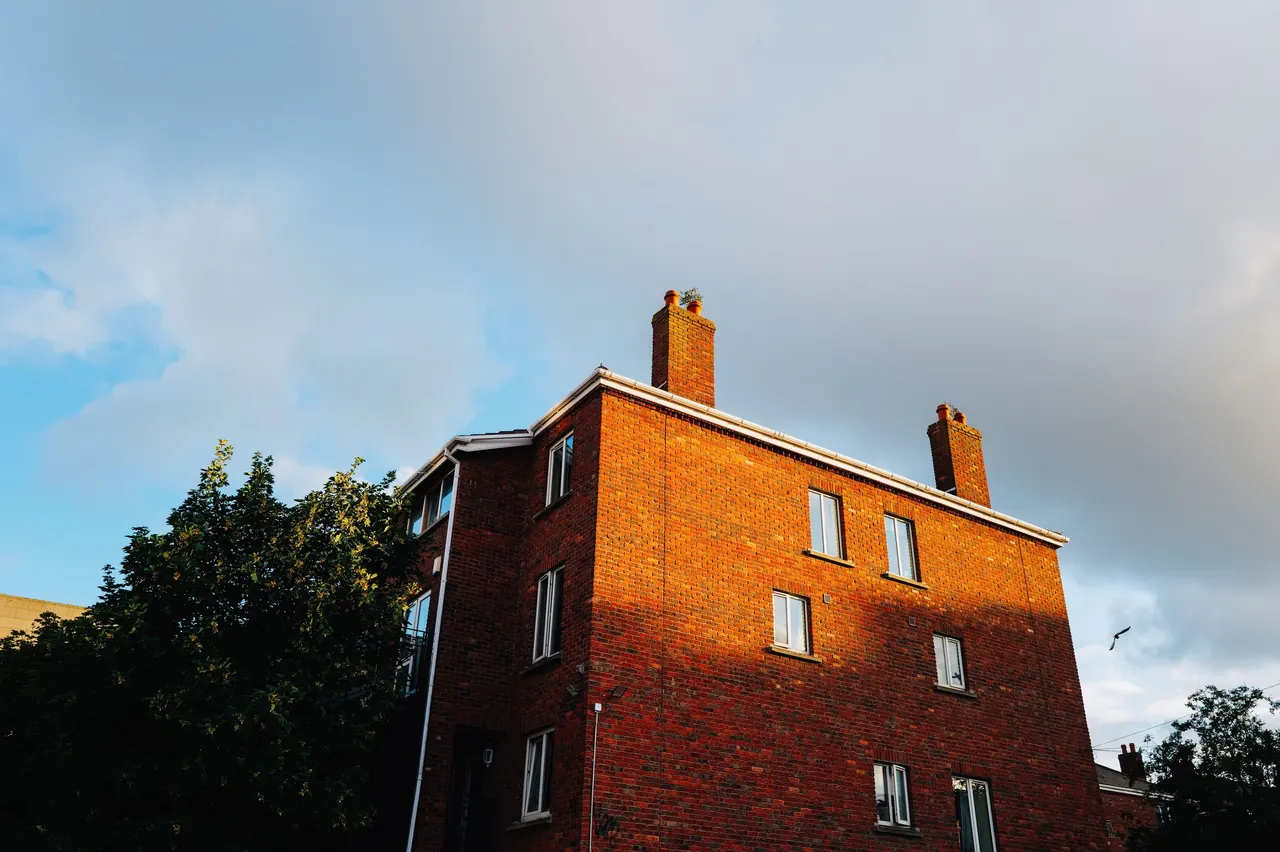
A chimney stack does not wear evenly. On houses facing Rosehill Park East or Rosehill Park West, one face of the stack looks straight over open playing fields, and the rain that comes across them hits that face hardest. The mortar between the bricks softens and washes out there first, the lead where the stack meets the tiles works loose on that side, and water gets into the brickwork. The other three faces can look almost new by comparison.
Indoors, the first sign is usually a stain in the loft around the base of the stack, or a damp patch on an upstairs chimney breast that comes and goes with wet weather. Where the stack sits on the party line, as it does on many semis here, the damp can show on your side even when the worst face is above next door's roof, so we look at the whole stack, not just your half.
The repair follows the wear. We rake out and repoint the weather face, and only the others if they need it. Lifted or split lead is replaced with new stepped and front flashings dressed properly into the brickwork, rather than smeared with sealant. A drone inspection lets you see the top of the stack close up before anything is quoted, so you can see which face has gone.
A stack shared with next door
Interwar semis were commonly built with the flues for both houses gathered into one stack on the party wall. That makes the stack a shared structure. Repairs to your side can normally go ahead, but it is good practice to tell your neighbour first, and it usually costs both households less to do the whole stack while the access is up. If we are re-leading your half, we tie the new flashing in neatly at the centre line so their side is left watertight. If you are planning a re-roof of your half, the chimney work is far cheaper done under the same scaffold.
Pots, flaunching and the uphill side
On top of the stack, the cement flaunching that holds the pots cracks with age and lets water into the top of the brickwork. We renew it and reset any loose pots. A flue that is no longer used can be capped or fitted with a vented cowl to keep rain and birds out while still letting the flue breathe. If a flue is still used for a fire or stove, it needs a cowl or guard made for a working flue, so we check how each one is used before fitting anything.
On the uphill side of the stack sits a narrow back gutter where the slope runs into the brickwork. On gardens near Greenshaw Wood, leaves and moss settle there, hold water against the lead and eventually push it underneath. Clearing it is part of every visit, and if the lead there has been holding water for years, we renew it.
Small jobs such as resetting a pot or a short length of flashing can often be done from roof ladders. Re-leading a whole stack or repointing all four faces usually needs scaffolding, and we include it in the price when it is needed. As a national guide, MyJobQuote's chimney flashing guide puts full leadwork replacement at £350 to £460 before scaffolding. Our chimney maintenance guide covers what you can check from the garden between visits, and our chimney repairs page explains our methods.
Frequently asked questions
Our stack faces the playing fields of Rosehill Park East. Which face should be repointed first?
Usually the one facing the fields, because it takes the driving rain. We rake out and repoint that face first, then check the others. If they are still sound, there is no need to do all four at once, and you can see the difference in the drone photos.
The stack on our semi is shared with next door. Do they need to agree before you work on it?
For repairs to your side, such as new lead or repointing your faces, it is courteous rather than essential to tell them first. Anything that changes the whole stack, such as taking it down or rebuilding it, needs their agreement and may bring in the Party Wall Act. We are happy to show both households the photos.
The lead round our stack was patched with black sealant. Does it all need replacing?
Not always, but sealant over lead usually means the lead underneath has split or lifted. We lift a section to see. If the lead is sound, we refix it and clean off the sealant. If it has cracked, we replace that flashing with new lead.





