



 Google reviews

Timber on the house, uPVC on the extension
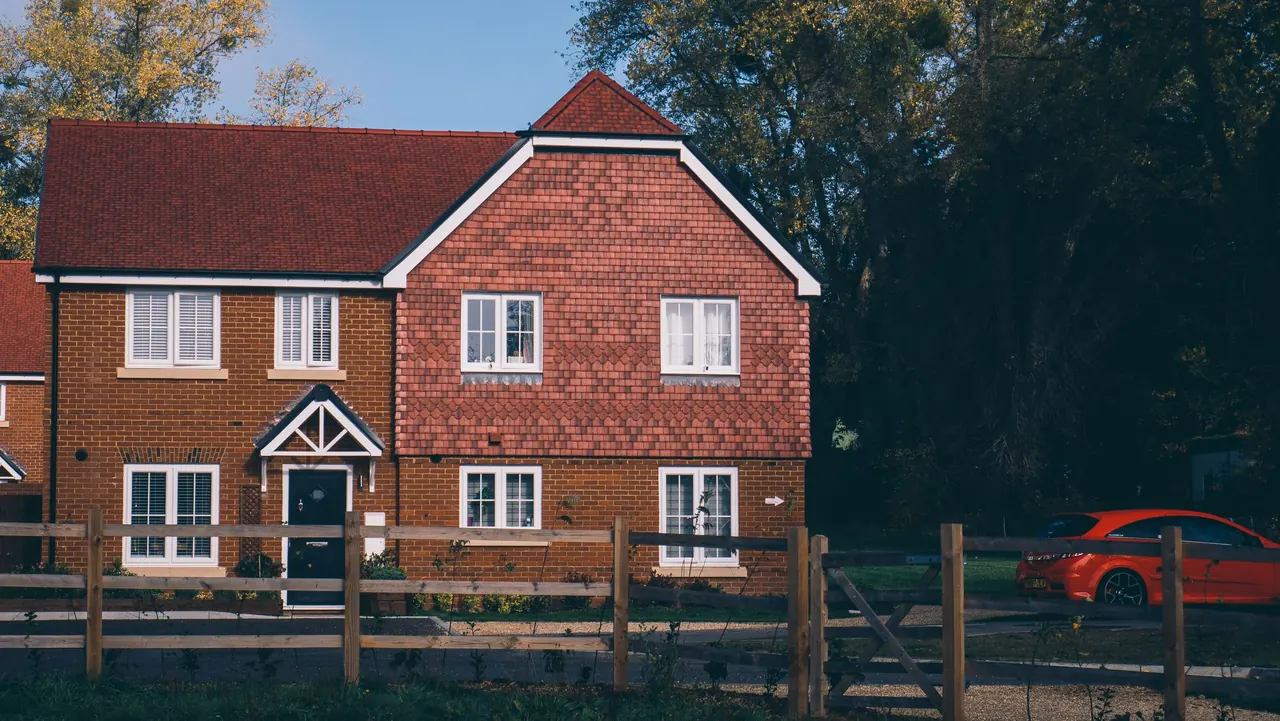
On many semis along Rosehill Avenue and Rose Hill Park West, the roofline has been changed piece by piece over the decades. The main house may still have painted timber boards, a rear extension may have uPVC added later, the garage may have something else again, and a dormer adds another short length up on the roof. The result is several colours, several profiles and several ages of board on one house.
The oldest timber usually fails first, and it fails from the back. Water gets in behind the gutter, the paint there is never renewed because nobody can see it, and the board rots from the inside out. The signs from the ground are a gutter that leans outward, dark staining under the gutter line, or paint that bubbles along the bottom edge of the board.
A short rotten length can sometimes be swapped on its own. Where the boards are soft along most of the run, replacing the full roofline is better value and lets us bring the house, the extension and the bay into one colour and profile. uPVC boards come in white, black, grey and woodgrain finishes, so they can match your windows. Capping, where a thin uPVC board is fixed over the old timber, is cheaper but only works if the timber underneath is sound all the way along. We test the boards before suggesting it, and we will not cap over rot.
The soffit under the front bay
Houses with a front bay have a small soffit under the bay roof, and it is often the first board on the house to sag or drop. Water from the main roof and the bay gutter finds its way there, and the board is short and lightly fixed. A dropped bay soffit is usually a symptom, so we replace the board and check the bay's flashing and gutter at the same time, otherwise the new board rots the same way.
Where the extension eaves meet the house eaves, the join is often a gap covered with a strip of trim. That lets water and draughts in, and it is worth closing properly when the boards are renewed. If water runs down the wall behind the gutter, our article on water leaking behind a gutter explains why that so often points to the fascia.
Birds, squirrels and bats near the parks
With Rosehill Park East and West and Greenshaw Wood close by, birds and squirrels are always looking for a way into the roof space, and a gappy or broken soffit gives them one. New soffits close those gaps, and ventilated soffits keep air moving through the roof space, which matters on older houses that were not built with eaves ventilation.
Timing matters. Active bird nests are protected by law, so work on eaves with nesting birds waits until they have gone. Bats and their roosts are protected too, and if we find signs of them, work on that section stops until the right advice has been taken. Spring is the most likely time to meet nesting birds, which is worth bearing in mind when you plan the job.
We check the boards and the rafter ends behind them before we quote, because rotten rafter feet need repairing before new boards go on. Because fascias carry the gutters, the two jobs usually go together, and our page on gutter installation in Rosehill covers that side. As a national guide, MyJobQuote's capping guide puts capping a three-bed semi at around £800 on average, which only applies where the timber underneath is sound. More detail is on the main fascias and soffits page.
Frequently asked questions
Birds keep getting in under the eaves at the back, on the side facing Greenshaw Wood. Can you block them out?
Yes, once any nest is empty. We replace broken or gappy soffit boards, close the gap where the extension eaves meet the house, and fit ventilated soffits so the roof space still gets air. If birds are nesting, the work waits until they have left.
The soffit under the front bay of our Rosehill semi has dropped. Is that a sign of a bigger problem?
Often it means water has been getting in at the bay roof or gutter for a while. We replace the soffit and check the bay's flashing and gutter, so the new board does not rot the same way.
Can you cap over our old timber fascias instead of replacing them?
Only if the timber is sound all the way along. We test the boards first. Capping over soft or rotten wood traps the rot behind plastic, where it carries on until the gutter brackets pull out, so where the timber has gone we replace it.





