



 Google reviews

Gables on Cheam Road and the Winning Post
Just west of the crossroads, 2 to 8 Cheam Road is a row of four Tudor Revival buildings over shops. They have weather-boarded gables above carefully copied mock-Tudor first floors, with timber mullioned windows and canted bays, and the four are locally listed. Further north along the High Street, the Winning Post at 265, built in 1907 to look like an Edwardian villa, has a steep hipped tile roof and a double-height bay crested by decorative bargeboards. The Tudor Revival parade at 151 to 159 High Street has street-facing tiled gables too.
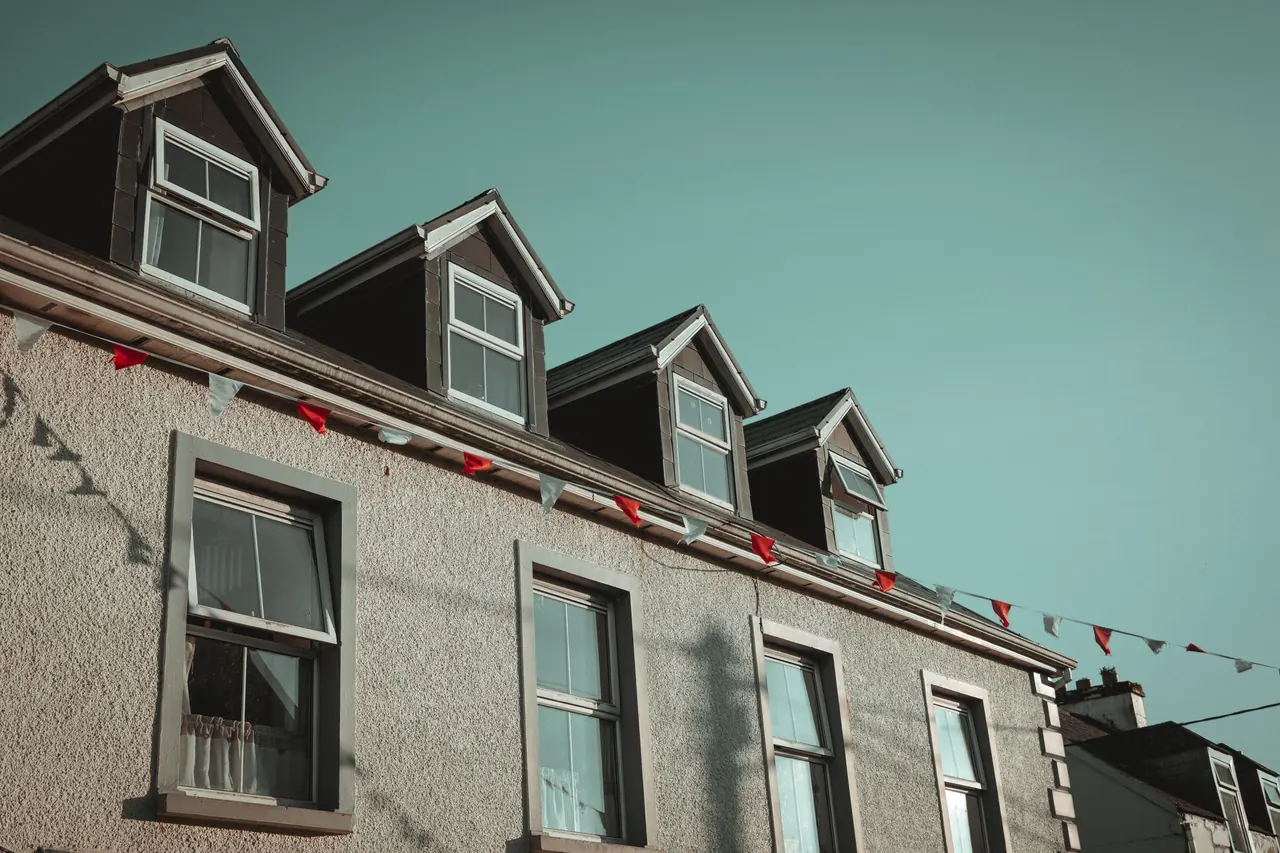
On buildings like these, the roofline timber is part of the design rather than a plain board carrying a gutter. Weather-boarding, bargeboards and eaves timber take the weather side-on, split along the grain, lose paint and start to rot at the ends and joints. Because they are decorative, replacing them with a standard plain board changes how the building looks.
Keeping the pattern on a Tudor Revival front
Where the timber is sound in most places, repair comes first. Rotten ends can be cut out and new timber spliced in, split boards refixed, and the whole lot prepared and painted. Where a board has gone too far, a new one can be cut to the same profile and pattern, using the old one as a template. The draft management plan asks for upper floor detailing to be retained and, where it has been lost, reinstated, so on a conservation area front a like-for-like timber replacement is usually the right call and a plain uPVC board is not. If you are not sure, check with the council before work starts.
Behind the gables, the boards still have to do their ordinary job. A gutter that has leaked for years soaks the back of a fascia long before the front shows anything, until the brackets lose their grip and the run sags. Gaps in old soffits let pigeons, starlings and wasps into the roof edge, which on a building with flats above can become a real nuisance. Our article on water leaking behind a gutter explains how a gutter fault turns into a board problem.
Parapet fronts and the eaves at the back
Many High Street buildings have no fascia at the front at all, because their roof sits behind a parapet. That includes the flat-roofed 1930s to 1950s parades and Victorian fronts such as 51 to 61, with its stepped brick parapets. Their boards, where they have any, are on the rear elevation and on back additions, out of sight of the street.
At the back, the choice is more practical. Full replacement in uPVC, in white, black, grey or woodgrain, is common and sensible on rear eaves that nobody sees from the street, and ventilated soffits help keep air moving through roof spaces that often have none. Capping over existing timber only works if the timber underneath is genuinely sound, so we check it first. Because the gutters are fixed to the fascia, it makes sense to renew them together, and we can fit new gutters in the town centre on the same visit.
As a guide, Checkatrade's fascia and soffit cost guide gives £90 to £170 per linear metre for replacement, and decorative timber made to pattern costs more than standard board. The main fascias and soffits page covers materials in more detail, and the wider town is on our page for fascias and soffits in Sutton.
Frequently asked questions
Can a decorative bargeboard like the one at the Winning Post be copied if it has rotted?
Yes. A new board can be cut to the same profile and pattern in timber, using the old one, or what is left of it, as the template. Where only the ends have rotted, splicing in new timber keeps more of the original.
Is uPVC acceptable on the back of a locally listed building on Cheam Road?
On a rear elevation that cannot be seen from the street, it often is, but local listing means the council takes an interest in the building's character. Ask the London Borough of Sutton first if you are unsure.
Our building has a parapet on the High Street. Where are the fascias?
Not at the front. There may be fascias and soffits on the rear elevation or on a back addition, and those still need checking, especially where a gutter is fixed to them.





