



 Google reviews

Brackets pulling out of soft fascias
The first sign is usually the gutter. A run that has started to sag, a corner that no longer meets its neighbour, or a bracket hanging loose with its screws still in it all point to the board behind. On the 1920s and 1930s houses of Golf Side, Downs Side and The Avenue, that board was originally painted timber, and on many it still is, and after years of weather and the odd winter with an overflowing gutter, it gives way first where water has run along it.
On open eaves the timber is exposed on three sides, so a leaking joint does more harm than it would on a sealed box. The end grain of each joist soaks up water like a wick. Paint flakes, the wood darkens and softens, and in time the brackets lose their grip. Gaps in soffit boards also let birds and wasps into the roof space. If water is running down the wall behind the gutter, our guide on water leaking behind a gutter explains why the board is often to blame.
Joist ends, dentils and bay brackets
The eaves on these houses vary from one to the next. The neighbourhood forum's Burton Estates character appraisal lists what you will find: open or boxed soffits with exposed joist ends, closed soffits finished with dentil moulding, and wide eaves carried on brackets over canted or bowed bays. It asks for these details to be kept or put back, and for the original eaves line to be maintained, especially at the front.
That points towards repair rather than wholesale replacement on the street side. Where the rot is local, we replace just the damaged section of fascia or joist end in timber, painted to read as one with the rest. Bay brackets can usually be refixed, and short lengths of dentil moulding replaced with the closest profile we can find. Boxing open eaves in with plastic changes the face of a Burton house a good deal, so on the front we talk through how each option will look before anything is removed. Capping, a thin uPVC board over existing timber, only works where that timber is completely sound, and we will not fit it over rot.
The old boards come down carefully, we check the rafter ends behind for damage, and the new or repaired boards are fixed before the gutters go back. Because the gutter hangs from the fascia, it often makes sense to renew both together, and our gutter installation in Cheam can be priced in the same quote.
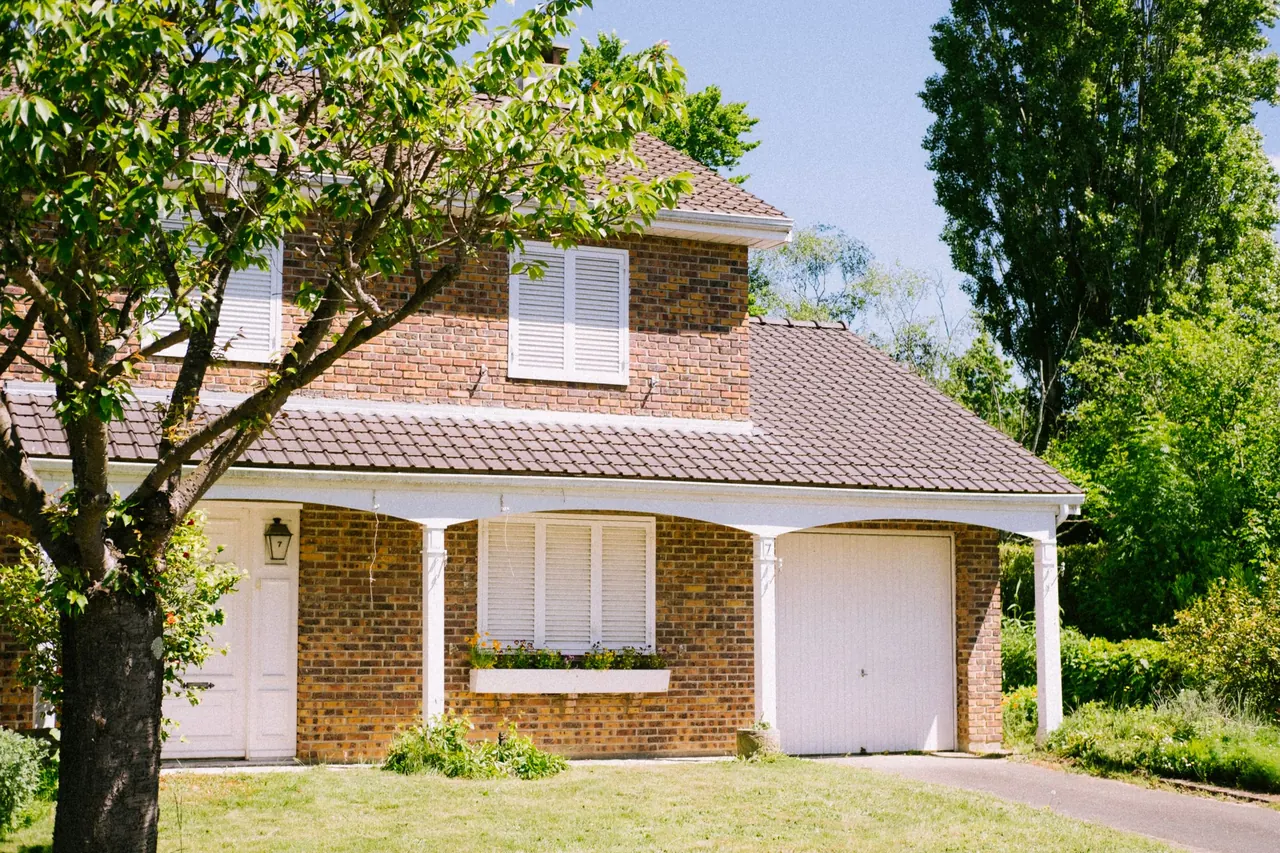
Boxed eaves on Warren Avenue and Northey Avenue
The later houses among the Burton roads, such as the 1970s houses on Warren Avenue and the Northey Avenue bungalows, usually have plainer boxed eaves. There, a full uPVC replacement is often the simplest long-term answer, in white, black, grey or woodgrain, with ventilated soffits where the roof needs air at the eaves. For a sense of scale, MyJobQuote's fascia and soffit capping guide gives a national average of about £1,500 for a four-bedroom detached house, and a hipped house has eaves on every side. Our main fascias and soffits page has more.
Frequently asked questions
The joist ends under my eaves on The Avenue are crumbling. Can they be saved?
Often, yes. Where the rot is confined to the ends, we replace those sections in timber and paint them, so the eaves stay open. If the rot runs further into the rafter, we explain what is needed before going on.
Can the brackets under my bay eaves on Downs Side be kept?
In most cases. We take them down, repair or replace any rotten ones in matching timber, and refix them so the bay roof is properly supported.
My Golf Side house has dentil moulding under the soffit. Will it survive new boards?
We remove it carefully and refit it, and where pieces are too far gone we replace them with the closest matching profile available.





