



 Google reviews

Cottage eaves in Mill Lane and West Street
A gutter pulling away from the corner of a cottage roof is usually the first sign. Most of the village's older cottages were built from timber and clad in painted weatherboarding, with fairly shallow hipped roofs. Their eaves are painted timber, and the gutters hang from those boards or from the rafter feet behind them. When a gutter overflows or a joint drips for a few winters, water soaks into the fascia from behind, where nobody sees it until the paint blisters.
Signs that the boards need attention:
- soft or crumbling timber, especially at the corners of the hips
- a gutter pulling away because the brackets have lost their grip
- paint flaking along the eaves line, or dark staining below it
- gaps in the soffit that let in wasps, birds or squirrels
- water running down the weatherboarding under the eaves
On a cottage, the usual answer is to cut out the rotten lengths, splice in new timber to the same section and keep the sound boards. We will not fit a plastic cover over soft wood, because it hides the rot rather than stopping it. If the rafter feet behind are rotten too, we show you before pricing that work. Many of these cottages are listed or locally listed, and on a listed building a change from timber to plastic eaves is the kind of alteration that can need consent.
Because the fascia carries the gutter, we usually take the gutter down, repair the boards and refit it in the same visit. If the gutter itself is due, new gutters in Ewell Village can go up at the same time.
The 1930s houses on London Road and The Headway
The inter-war houses along London Road, Epsom Road and The Headway, most of them detached or semi-detached, have conventional 20th century eaves, and many already have uPVC. Full replacement in uPVC is a sensible, low-maintenance choice there, in white, black, grey or a woodgrain finish, with ventilated soffits to keep air moving through the roof space. Even inside the conservation area, keeping the eaves depth and colour close to the original helps the house sit with its neighbours.
Original timber boards on houses of this age have usually been painted many times, and in the end they go soft at the joints. New boards are fixed to the rafter feet, the soffit is fitted beneath with vents, and the gutter is refitted or replaced on the new fascia.
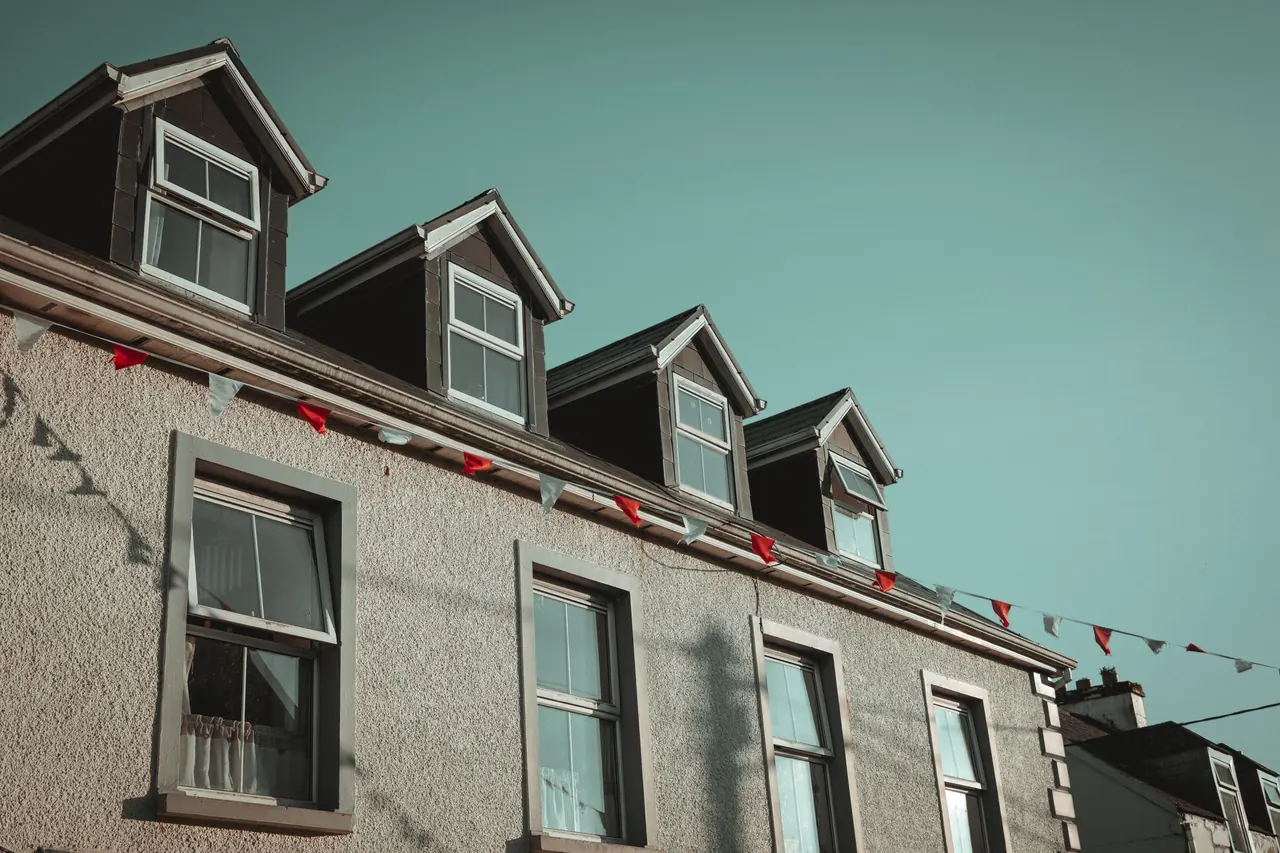
Bargeboards at 9 and 11 West Street
Nos. 9 and 11 West Street are a listed pair dated 1880, red brick below and hung with blue and red fishscale tiles on the first floor. The listing describes gables with bargeboards on the outer ranges. Timber bargeboards take the weather on their face and top edge, and fail where water sits: at joints, at the foot where they meet the eaves, and where paint has cracked. Damaged sections can be cut out and replaced with new timber made to the same profile, then primed and painted. On a listed building any change of design or material needs consent from Epsom and Ewell Borough Council.
Bats, birds and old eaves
Birds and bats sometimes use gaps in the eaves of old buildings, and the trees of Bourne Hall park and the churchyards are close to many village houses. If we see signs of nesting or roosting, the work may need to wait or be planned around it, and we tell you. Our article on water leaking behind the gutter explains how fascias rot from behind, and the main fascias and soffits page covers the service in full.
Frequently asked questions
Can I put uPVC fascias on my weatherboarded cottage in Mill Lane?
On a listed or locally listed cottage it is unlikely to be acceptable, and painted timber suits the boarding better. Where the boards are mostly sound, replacing only the rotten sections keeps the original look.
My 1930s house on The Headway has painted timber fascias. Is it worth going to uPVC?
If the house is unlisted, uPVC is a common and practical choice on inter-war eaves, and it ends the repainting. Keep the profile and colour close to the existing so the house still matches the street.
A bargeboard on my West Street house has rotted at the bottom. Does the whole board need replacing?
Often not. The rotten length can be cut out and a new piece made to the same profile, then painted to match. On a listed house, check with the council before any change in design or material.





