



 Google reviews

The High Street and Church Street footway
In the centre of Ewell Village the historic buildings of the High Street and much of Church Street stand in tight groups on the back of the pavement, along narrow, curving streets, with heavy traffic on London Road and the High Street. There is no front garden to catch anything that falls. A slate that slides off one of these roofs comes down on the footway or the road.
That changes what counts as urgent. Anything loose above a path needs dealing with quickly: slates or peg tiles hanging out of their courses, a hip tile that has lost its bedding, a pot that has started to rock, or lead lifting in the wind. Water coming through a ceiling or down a wall, part of the roof missing and a branch through the covering are emergencies anywhere. We answer the phone at any hour, so ring 0330 133 4111 and say what is loose and exactly where it is.
A single missing tile with no leak and nothing loose above a path can usually wait for an ordinary roof repair visit. If something has already come down, keep people clear of that stretch if you can do so safely.
Cottage stacks after a gale
The cottages of Mill Lane and West Street have brick stacks in the middle of their roofs, often carrying tall clay pots. A tall pot catches the wind, and the mortar bed holding it, the flaunching, cracks with age. A pot that leans after a gale is one of the more dangerous things on a village roof, because of its weight and the height it falls from. Making it safe may mean taking it down for now and resetting it properly later, which our chimney repairs in the village cover.
Branches from the Bourne Hall and churchyard trees
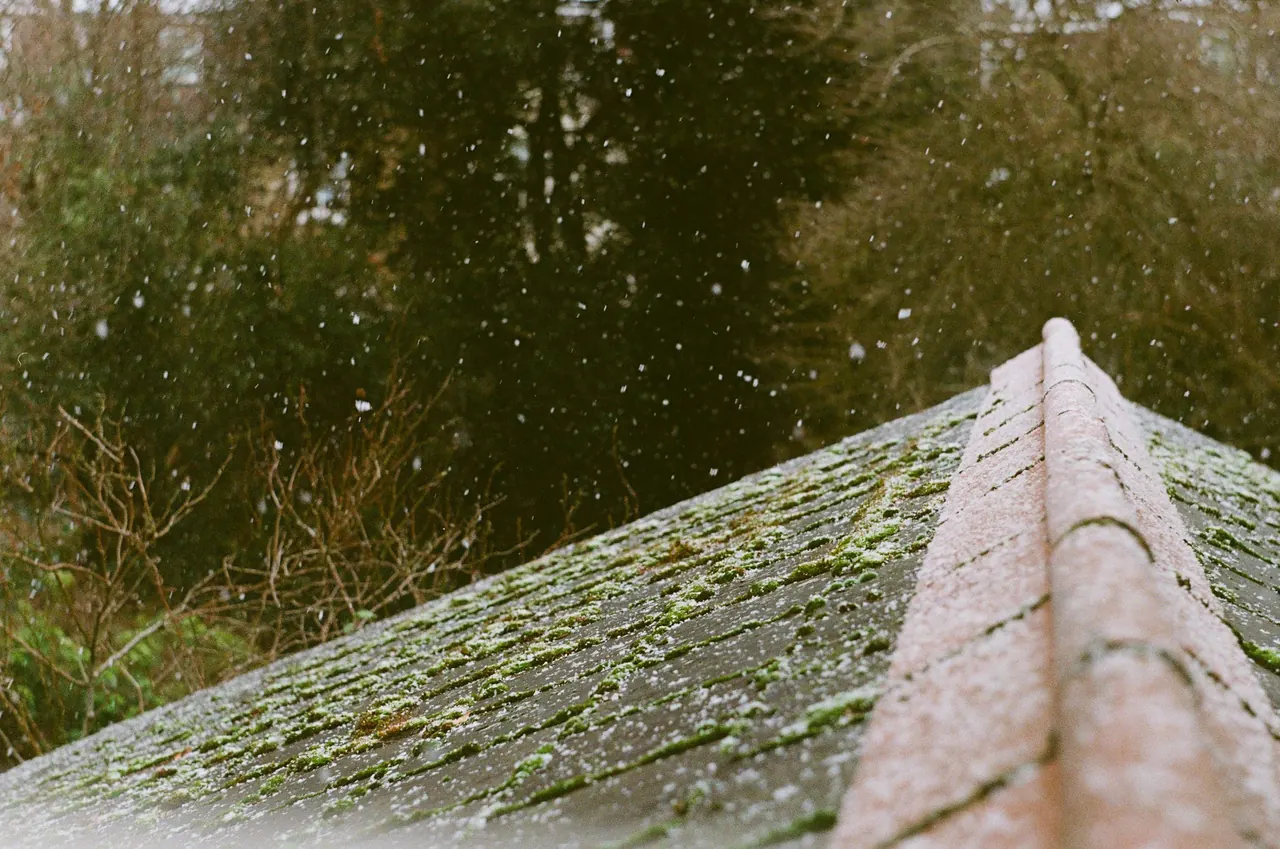
Many trees in Bourne Hall park, around the two churches and in the grounds of Glyn House are 19th century specimen trees, now large and close to houses. In a storm a falling limb can break tiles or a gutter, and a sudden drop of wet leaves can choke a valley so rain backs up under the covering and shows as a damp ceiling. Clearing the valley and refixing the tiles around it is often all that is needed straight away.
The tree itself is for its owner and a tree surgeon. In a conservation area most work on trees not covered by a Tree Preservation Order needs six weeks' notice to the council, so we deal with the roof and leave the tree to them.
Listed roofs and flats over shops
On a listed house, emergency work is kept to what is needed to make the roof safe and weathertight, with temporary measures where possible, so the permanent repair can be planned in matching materials. On the High Street, the flats above shops often belong to a freeholder rather than the person who rang. We make the roof safe first and then pass our findings to the freeholder or managing agent for the lasting repair.
Until we arrive, stay off ladders and out of the loft. The main emergency roof repair page explains what happens on a callout, and our guide to roof damage after a storm helps you check the rest of the house once it is light.
Frequently asked questions
The pot on my Mill Lane cottage is leaning after last night's wind. Can it wait?
Not if it is above a path or a neighbour's roof. A lean usually means the flaunching has cracked through. Call us, keep people away from below it, and we will make it safe before planning the proper repair.
A branch from a tree in Bourne Hall park has come through my roof. Who deals with the tree?
We deal with the roof: clearing what has come through, covering the opening and refixing what we can. Report the tree to its owner, and keep photos of the damage for your insurer.
Can you make my listed Church Street roof safe before consent is in place?
Urgent work to stop damage and keep people safe comes first. We keep it to temporary or like-for-like measures, and anything beyond that is then agreed with the council.
Water is coming through the ceiling of my flat above a High Street shop. Do I call you or the landlord?
If it needs stopping now, call us. We make it safe and can then speak to the freeholder or managing agent about the permanent repair.





