



 Google reviews

When you ring from the village
We answer 24/7 on 0330 133 4111. We are a family run firm based on Kenley Rd in Morden, about 3.3 miles from the village.
While you wait, a few things are worth doing if they are safe. Keep people away from the pavement or path under the damaged part of the roof. Move furniture and anything valuable out of the room where water is coming in, and put a bucket under the drip. Take photos from inside and from the ground for your insurer. Do not go up a ladder or onto the roof yourself, least of all in wind or rain.
The first job on site is always the same: stop more water getting in and take away anything that could fall. That might mean refixing loose tiles, sheeting an opening, clearing a valley that is spilling into the roof or patching a split flat roof. Once the roof is weathertight, we photograph the damage and talk you through the permanent repair, which comes with a free quote.
For a sense of what urgent work costs nationally, MyJobQuote's emergency roofer guide (updated October 2026) gives £150 to £300 for a call-out and £150 to £500 for a temporary repair across the UK. Scaffold over a shop front or work on a listed roof sits outside those figures.
Roofs above shop doorways
Falling material matters more at the crossroads than on a quiet side road. In a gale, ridge tiles, verges and chimney pots are usually the parts that go first. Sutton Council's appraisal places the old core around Whitehall and St Dunstan's on top of a rise, and a short walk south The Broadway, the High Street, Station Way and Ewell Road meet at the crossroads, shopping streets with a steady flow of people on the pavement.
A slipped tile or a loose pot above a shop door is a real risk to someone walking underneath. If something has come down or looks about to, tell the shop and anyone in the flats above. Where a pot or a section of stack is loose, we take it down or secure it before anything else.
Some work at height over a public footway cannot be done safely in the dark. In that case we make the inside safe, stop what water we can, and come back to finish as soon as it is safe to work.
Old buildings, temporary measures
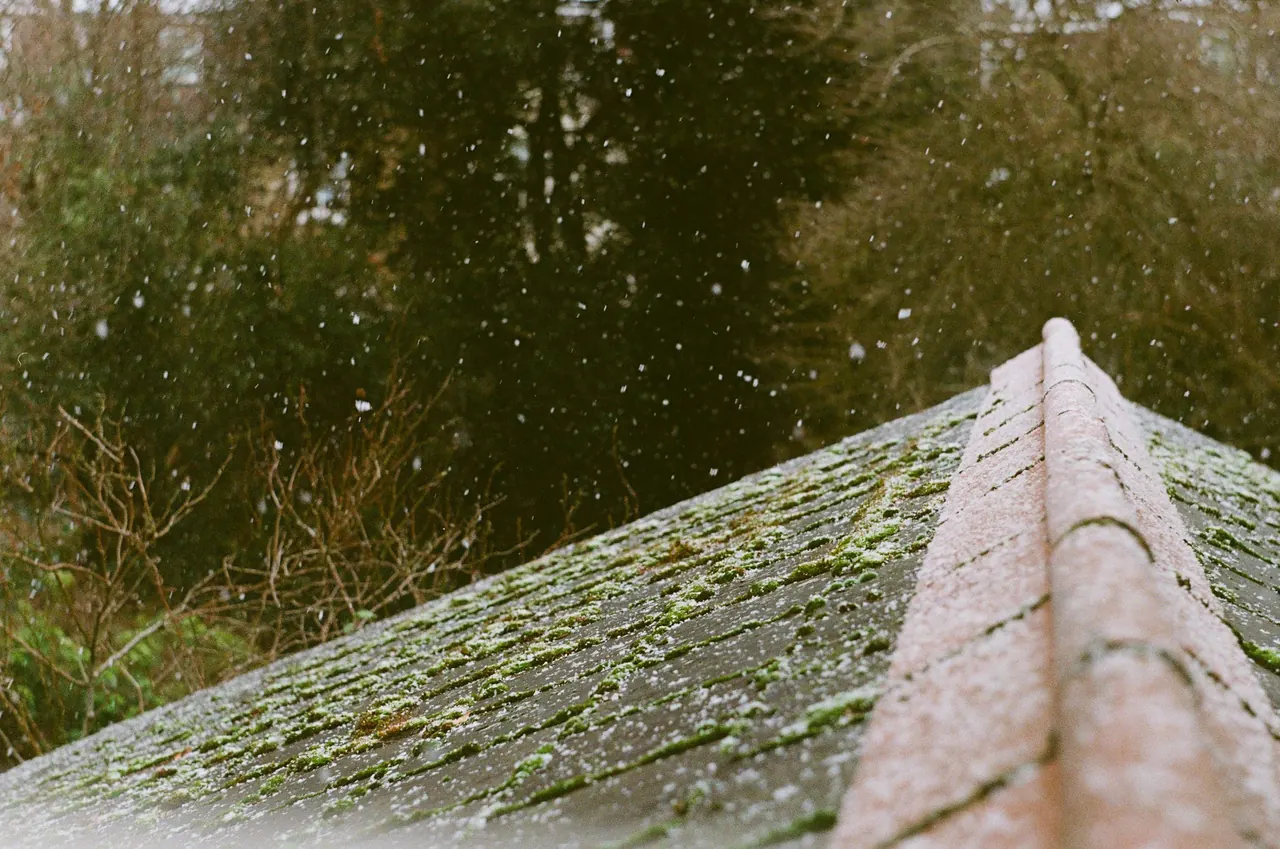
On a listed cottage on Park Lane or Malden Road, emergency work is kept to what is needed to make the building weathertight. Handmade tiles that have come off are set aside, not skipped, so they can go back on in the permanent repair. Listed owners have a duty to keep their buildings watertight, explained on our Cheam Village roofing page, so a quick and careful fix is the right call.
Temporary measures should also be reversible. A sheet fixed with battens can come off without marking anything. Foam, mastic or cement smeared across old tiles cannot, and makes the real repair harder. Once the emergency is over, the permanent fix is usually a like-for-like roof repair in the village.
Not every emergency is the roof covering. On the mock Tudor parades, a valley or gutter packed with debris can send a storm's worth of water into a ceiling quickly. Our page on blocked gutters in the village covers that kind of problem, and the wider service, including insurance claims, is set out under emergency roof repair.
Frequently asked questions
A ridge tile has come off our house near St Dunstan's and the wind is still up. Should we try to cover the gap?
No. Do not go on the roof or up a ladder in wind or rain. Clear the area below where the tile fell, move anything valuable away from any drip inside, and call us. A missing ridge tile lets in less water than most people fear in the first few hours.
Will emergency work on a listed cottage on Malden Road need consent?
Making a building weathertight is not the same as altering it. We keep the temporary measures reversible and the permanent repair like for like, and we tell you if anything about the permanent job needs checking with Sutton Council.
Water is coming through the stockroom ceiling behind our Ewell Road shop. Is that an emergency?
If it is running rather than dripping, treat it as one. On the 1930s Ewell Road parade, the usual causes are a blocked valley between gables or a failed flat roof over a rear addition. Both can be made safe once we can see them.





