



 Google reviews

Building on Ruxley Farm and the Ayres and Card nursery
Ruxley Lane stayed rural for longer than the rest of West Ewell. Around 1924 it had no more than five cottages and a farm. Ruxley Farm was demolished in 1959 and housing and flats were built on its land, and Goodwin Close and the newer part of Jasmin Road stand on what was the Ayres and Card nursery, according to the Epsom & Ewell History Explorer. Some of the farm survives as the high school playing fields, and Scotts Farm Road follows the old footpath in front of the farmhouse.
So the Ruxley side is younger than the interwar plots to the south. Homes built there from the 1960s onwards were typically finished with painted softwood fascias and soffits, sometimes in plywood or early boards that do not take weather as well. By now, many will have had one round of replacement, and some may be on capped boards fitted over timber that was not checked first.
Shaded rooflines near the playing fields stay damp longer than those facing the open street, and paint on any surviving timber fails sooner there. Where boards have been kept painted, they can still be in good order. Where painting lapsed, rot starts from behind the gutter, out of sight.
What to look for at the eaves of a Ruxley Lane home
- timber that feels soft when pressed, often at corners or behind a downpipe
- plastic capping that has bowed, split or come away at the joints
- gutters pulling forward because the brackets have lost their grip
- soffit boards sagging, cracked or with gaps where wasps or birds go in
- discoloured or brittle early uPVC that cracks when touched
Water running down the wall behind the gutter is often a fascia fault as much as a gutter fault. Our guide on water leaking behind a gutter explains why.
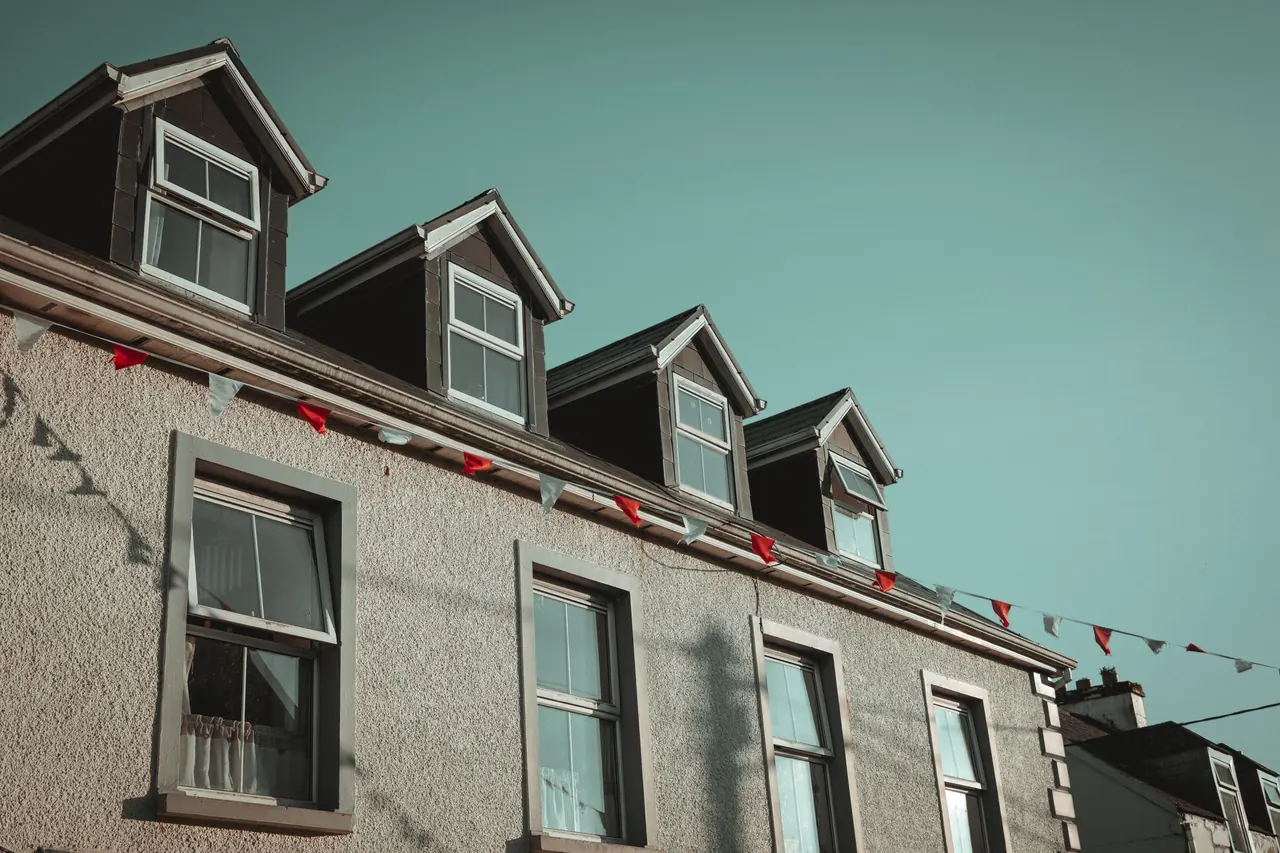
Pressing the timber before we price
Capping, sometimes called overboarding, covers existing timber with a thin uPVC board. It is cheaper than replacement and works when the timber underneath is completely sound. Fitted over rot, it hides the problem while the board keeps decaying, and the gutter brackets eventually lose their grip.
So before quoting we test the timber along the run, especially at the corners and where downpipes sit. If it is sound, capping may be fine. If it is not, we strip it back and fit new uPVC fascias and soffits, with ventilated soffits where the roof space needs air. uPVC roofline comes in white, black, grey and woodgrain finishes.
Flats, garages and the interwar houses to the south
On blocks of flats, the roofline is normally the freeholder's to maintain, and we quote the managing agent directly. Across Ruxley Lane on the interwar semis, the job is different: a hipped roof has eaves on more sides, and the front bay has its own small fascia and soffit, so there are more corners for rot to start.
Because the fascia carries the gutter, it makes sense to renew both together. Our gutter installation in West Ewell is usually quoted alongside. As a national guide, Checkatrade's fascia and soffit guide gives £90 to £170 per linear metre for replacement. Our main fascias and soffits page has more detail.
Frequently asked questions
Our Goodwin Close house had its fascias capped years ago. How do we know if the timber underneath is rotten?
Signs include capping that bows, gutters dropping at the brackets and staining on the soffit. We can lift a section of capping to check the timber before recommending anything.
The soffits on our Jasmin Road house are a flat board with no vents. Should new ones be ventilated?
If the roof space has no other eaves ventilation, usually yes. Vented soffits help keep air moving and reduce condensation in the loft. We look at the loft before deciding.
Can you replace the fascias on a block of flats off Ruxley Lane?
Yes. We quote the freeholder or managing agent and plan safe access so every elevation can be done properly in one go.





