



 Google reviews

Houses built from army huts and hospital surplus
Most of West Ewell was put up by building firms on plots bought from the old Fitznells Farm. Chessington Road is different. The Epsom & Ewell History Explorer records that some plots there were bought by individuals, including Great War ex-servicemen, who built their own homes in the evenings and at weekends. Some lived in a tent or a shed, or cycled in, until the roof was on. Materials were usually second-hand: surplus from the London County Council hospitals and parts of old army huts.
A roof put together that way is not a bad roof by default. Many have stood for close to a century. But nobody can tell from the pavement what timber was used, how far apart the rafters are, or whether the wall plate was made from a single length or pieced together. Those are the details that decide whether a heavier tile, a loft conversion or a simple repair is safe, and they only show up from inside.
What the loft tells us on a Chessington Road house
On these houses the loft is where we spend most of the visit. We look at:
- rafter sizes and spacing, and whether they match from one end of the roof to the other
- joints and fixings, including old bolts, straps or reused timber with earlier notches in it
- the wall plate and the ends of the rafters, where damp from a failed gutter does its damage
- whether there is any underlay, and if there is, what state it is in
- daylight through the covering, damp staining and wet insulation
- any sign the roof has been re-covered in a heavier tile than it was built for, such as sagging between rafters
We then compare what we see inside with the outside of the roof. A dip in the ridge line or a wavy slope usually has a cause in the loft, and finding it before anyone starts work saves money on both sides.
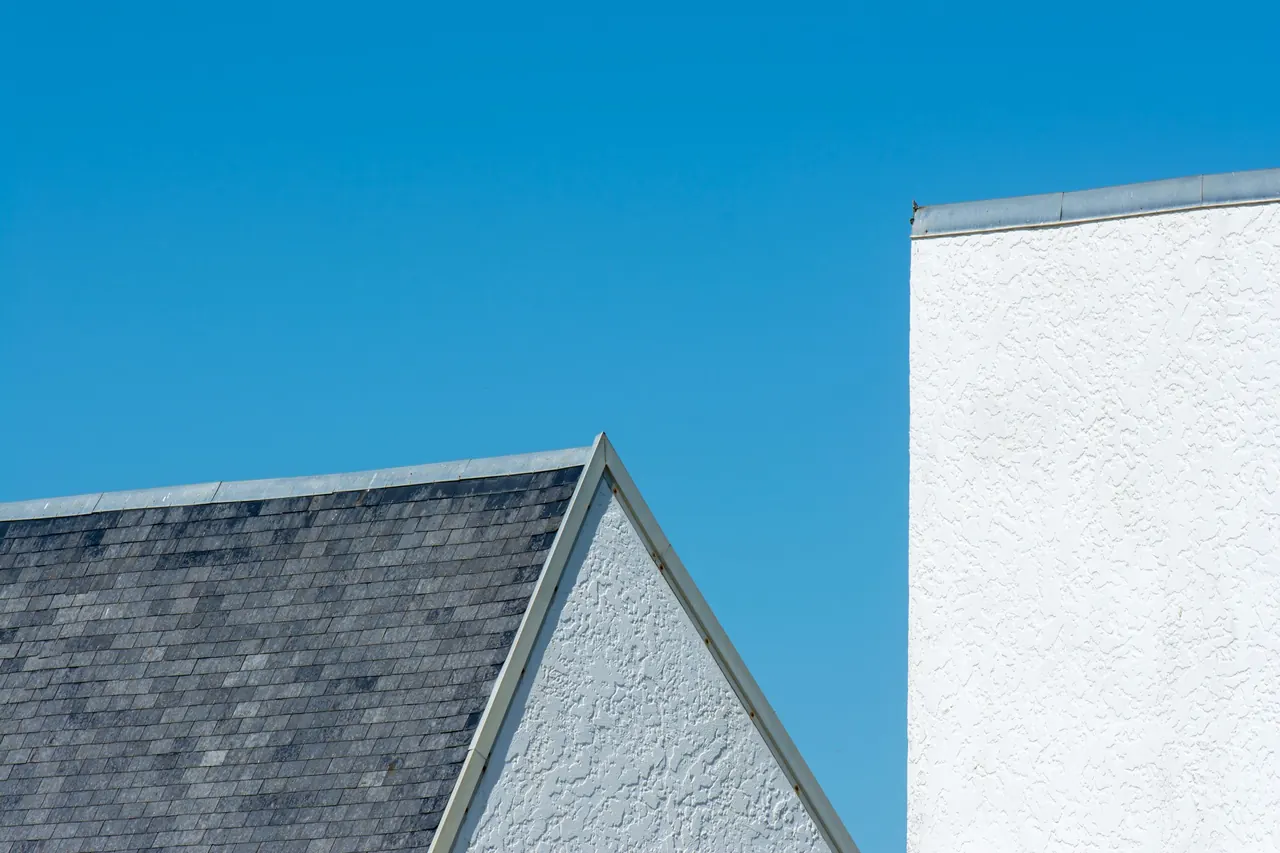
Rear slopes you cannot see from Chessington Road
From Chessington Road you see the front of each house and not much more. Rear slopes, hips, valleys and the tops of stacks need another view. Josh flies our drone over the roof so we can photograph each slope close up without scaffolding or anyone walking on old tiles. Before flying we check the wind, the weather, nearby trees and overhead cables, and if it is not safe we rearrange. A drone cannot see under the tiles, so it always goes alongside the loft check rather than instead of it.
The same approach suits the builders' semis on Kingsmead, Lansdowne Road or Station Avenue, though there we already know more about how the roof was built, so the visit is shorter. On those, the loft question is mostly whether the original battens and nails are still there.
We go through the photos with you and sort what we found into three groups: what needs doing now, what can wait a year or two, and what is fine. If the roof is in good order, we say so, plainly, and you have the photos to keep. If something needs work, you get a written quote for it. Buyers can use the same report in a negotiation, and our guide to a roof inspection before buying a house covers the questions to ask the seller.
For a sense of cost, MyJobQuote's roof survey guide gives £100 to £200 for a basic visual inspection and £200 to £350 for a drone survey across the UK. Ours is priced once we know the house. The Which? roofer guide suggests having the roof and gutters looked at once a year, particularly where the roof is 25 or more years old.
If the inspection turns up faults, we can quote for roof repairs in West Ewell on the same visit, and our main roof inspection page explains the process in more detail.
Frequently asked questions
How can I tell if my Chessington Road house was one of the self-built ones?
Deeds and old sale particulars sometimes say, and long-standing neighbours often know. From the loft, reused timber with old notches or bolt holes, mixed rafter sizes and unusual joints are strong clues. We will point out anything we see.
Can the roof on a self-built house take heavier concrete tiles?
Not without checking. Rafters cut from reclaimed timber may be thinner or more widely spaced than the tile maker allows for. We measure them during the inspection and tell you what the roof can carry before you choose a covering.
I am buying a 1930s semi on Kingsmead. What should the inspection focus on?
Whether the roof is original. If it has never been stripped, the battens and nails are close to a hundred years old and there may be no underlay. The loft usually answers that in a few minutes, and the drone shows the hips and the stack.
Will you check the flat roof on my back extension at the same time?
Yes. The drone gives a clear view of extension and garage roofs that you cannot see from an upstairs window, and we include them in the report.





