



 Google reviews

Three ages of chimney around Chesterfield Road
Chesterfield Road and Heatherside Road were laid out in the late 1800s, and some Chesterfield Road houses date from 1890, according to the Epsom & Ewell History Explorer. Many of the houses there were built later, and after the war six council houses for hospital workers were added on the two roads. Walk the length of them and you pass chimneys from three different eras, each built for a different way of heating a house.
That variety runs through West Ewell. Which kind of stack you have decides what tends to go wrong with it.
Which West Ewell homes have stacks, and what they are like
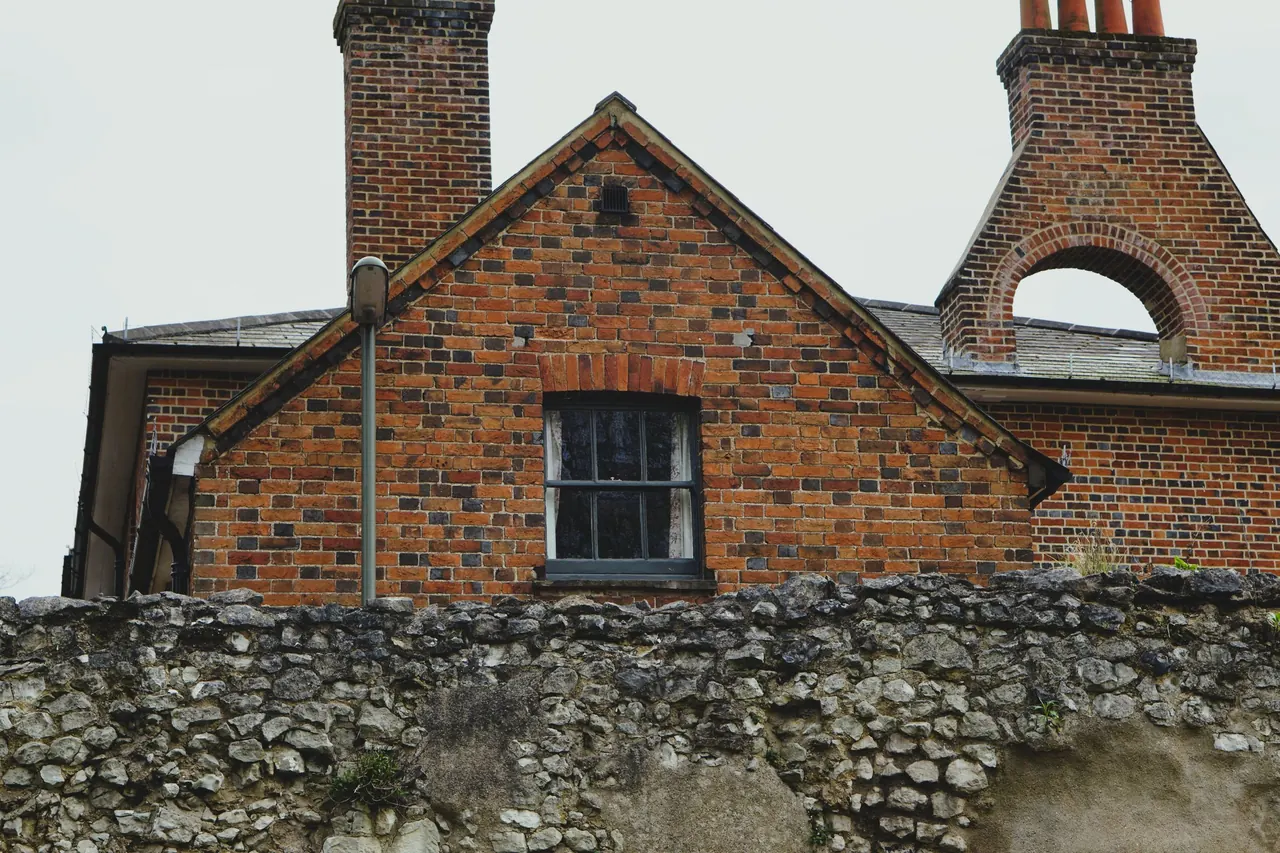
Late-Victorian and Edwardian houses. The older houses on Chesterfield and Heatherside Roads, and the 1905 and 1906 terraces on Plough Road, were built when every main room had a coal fire. Stacks are often taller and serve more flues. After well over a century of weather, the brickwork near the top, the mortar cap round the pots and the flashings are usually the parts that need attention, and many have been patched before with cement fillets that crack away from the brick.
Interwar semis. Semis of the late 1920s and 1930s, like those on the Fitznells Farm plots, often have a stack on the party wall, half on each roof, with flues for both houses. Where a stack comes up through a hipped roof, the lead has to be shaped round a more awkward junction than on a plain gable, and that back gutter behind the stack is a frequent leak point.
Post-war council houses. Houses of the late 1940s and 1950s were typically still built with chimneys, often smaller ones, because coal and solid fuel were still common. They are younger than the stacks around them but have now seen seventy years of weather.
Later homes and flats. Not everything has a stack. Homes built from the 1960s onwards, including flats on former Ruxley Farm land, were often designed around central heating and may have small stacks or none at all. If you have no stack, the roof leak you are chasing is not a chimney problem, and our roof repairs in West Ewell are the place to start.
Repairs we carry out on these stacks
- Lead flashing and back gutters. Renewing lead that has lifted, split or been replaced with cement.
- Repointing. Raking out and refilling weathered joints so the stack stops soaking up rain.
- Flaunching. Re-forming the mortar cap round the pots when it has cracked.
- Pots and cowls. Resetting loose pots and fitting a cowl or bird guard to suit how each flue is used.
Our guide to chimney flashing problems explains why leadwork fails.
Photos before scaffold
From the pavement most chimneys look fine. Josh flies our drone round the stack so we can see the pots, the cap, the brickwork and the lead on every side before anyone pays for access. Then we can tell you whether the job can be done from roof ladders or needs a scaffold round the stack. As a national benchmark, MyJobQuote's chimney flashing guide lists £150 to £250 for a patch repair to the lead and £350 to £460 for full leadwork without scaffolding. Our main chimney repairs page explains access and timing.
Frequently asked questions
The stack on our 1890 Chesterfield Road house has cement fillets instead of lead. Should they be replaced?
Yes, when they crack, and on a stack that age they usually have. Cement shrinks away from brick and tile and lets water run behind. Proper lead soakers and flashings move with the roof and last far longer.
Water gets in behind the stack on our Station Avenue semi. Why there?
The back of a stack that rises through a slope catches all the water running down the roof above it. If the lead back gutter there has split or was never formed properly, that is where it leaks. We re-form it in new lead.
Our post-war council house on Heatherside Road has a small stack with crumbling bricks at the top. Is it worth repairing?
Usually. Small stacks often only need the top few courses repointed or rebuilt and the cap re-formed. We show you photos of the damage and price the repair before anything is decided.





