



 Google reviews

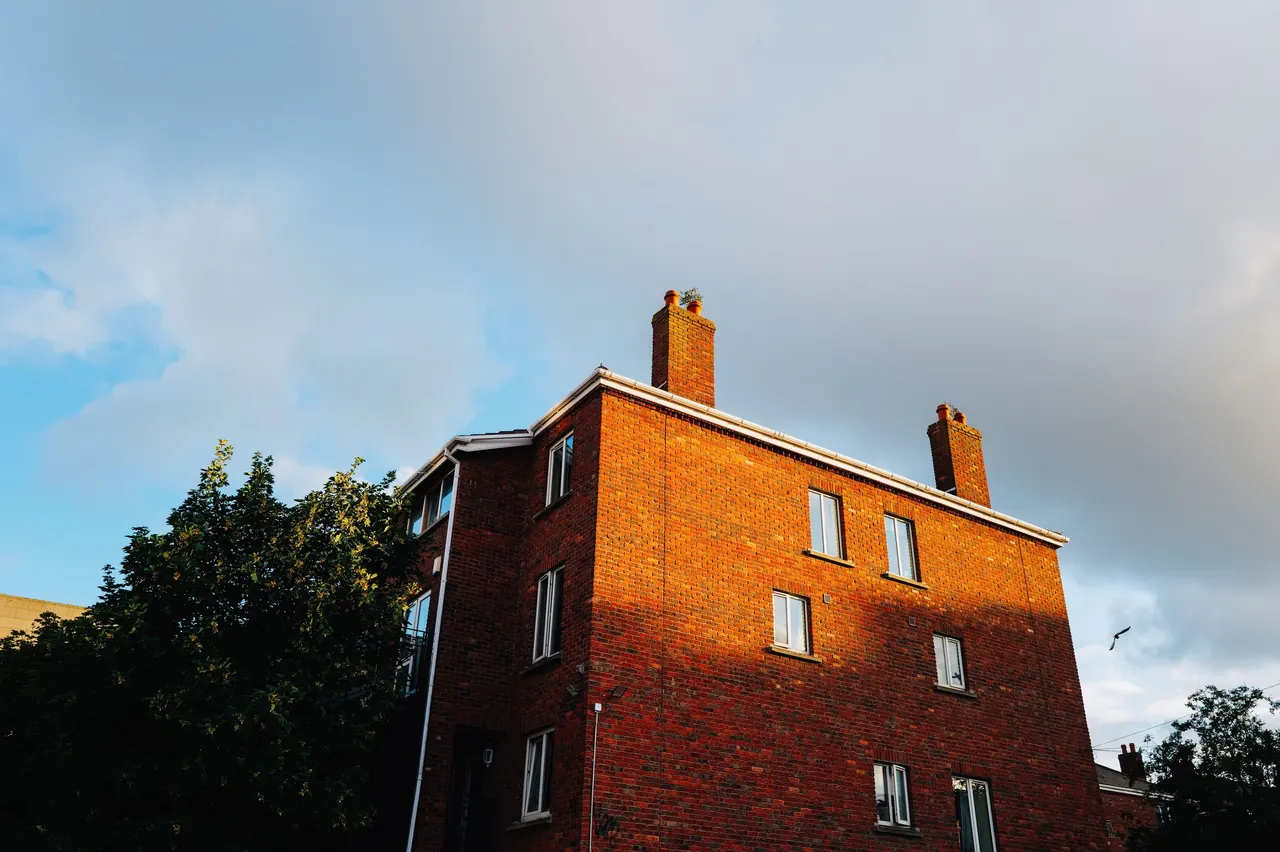
Chimneys built for Stoneleigh's downstairs fireplaces
The Stoneleigh and Auriol Neighbourhood Plan describes how most houses here were built with fireplaces in the downstairs rooms, the chimneys warming the rooms above as the smoke rose. It also notes that most homes have since switched to gas or electric central heating. So the typical Stoneleigh stack was built for 1930s coal fires and now sees little or no heat.
The AECOM design codes count brick or stone chimneys on steep roofs as part of the look of the area. A stack that is never warmed dries out slowly after rain, and one that was blocked off without ventilation can collect condensation inside the flue. Both leave the brickwork damp for longer than it would be on a chimney in daily use.
Weak points on a stack that rarely gets warm
- Lead flashing. On a steep roof, rain runs hard down the slope into the back of the stack. If the back gutter or the stepped flashing has lifted or split, that is where the water gets in, often showing as a stain on the ceiling beside the chimney breast.
- Pointing. Mortar joints wear back after decades of weather and start to let water into the brickwork.
- Flaunching. The mortar bed round the pots cracks, lets water into the top of the stack and sheds crumbs into the gutter.
- Open, unused pots. A pot with no cap lets in rain, leaves and nesting birds.
- Sealant repairs. A bead of mastic over old flashing looks tidy from the road and seldom lasts more than a winter or two.
Our article on chimney flashing problems explains why the lead is the usual culprit when a leak appears beside a stack.
Caps, cowls and the Station pub's listed stacks
Where the flues of both halves of a pair rise into one stack on the party wall, brickwork or flaunching work affects both households and is best priced as one job with one set of access. For a disused flue you want to keep, the usual approach is to make the stack sound, then fit a vented cap or cowl so rain and birds stay out while air still moves through the flue. If you might light a fire again, a suitable cowl keeps the flue usable. Taking a stack down is a bigger decision, and on these houses it also changes a roofscape that Policy 1 of the Neighbourhood Plan asks alterations to complement.
One building on the Broadway is a different case. The Station pub, built in 1934 to 1935 as the Stoneleigh Hotel, is Grade II listed, and its listing picks out the imposing brick chimneystacks. Work that affects the character of a listed building normally needs listed building consent from the council, so repairs there are agreed with Epsom and Ewell before any brick comes off. The semis around it carry no such listing.
Seeing the stack before pricing access
Stacks on chalet semis sit high on steep roofs. A drone flight gives close photos of the pots, flaunching, pointing and lead, and tells us whether the job needs a full scaffold, a chimney scaffold or can be done from roof ladders. That keeps the access part of the price in proportion to the repair. The quote for the repair is free.
For a national reference point, MyJobQuote's chimney flashing cost guide lists £150–£250 for a patch repair to the lead and £350–£460 for full replacement, before scaffolding. If tiles round the stack have slipped too, our Stoneleigh roof repair service covers them in the same visit. The main chimney repairs page has more.
Frequently asked questions
Our chalet semi has a hipped roof. Does that make the stack harder to reach?
Sometimes. A hipped roof has no gable wall at the side to work from, so access is built off the front or rear slopes. We look at the stack by drone first and price the access to suit.
We have Solar Together panels close to our stack. Can you still repair the chimney?
Usually, yes. We look at the stack by drone first to see how close the panels sit. If the flashing runs under or right beside a panel, the solar installer may need to lift it while the lead is renewed, and we agree that with them before starting.
We want to use the original 1930s fireplace again. What needs checking on the roof?
The pot, the flaunching and the pointing at the top need to be sound, and any cap fitted when the flue was sealed has to come off or be swapped for a cowl that suits the fire. Have the flue swept and checked by a sweep or HETAS installer before lighting it.





