



 Google reviews

Many builders, many tiles, east and west of the line
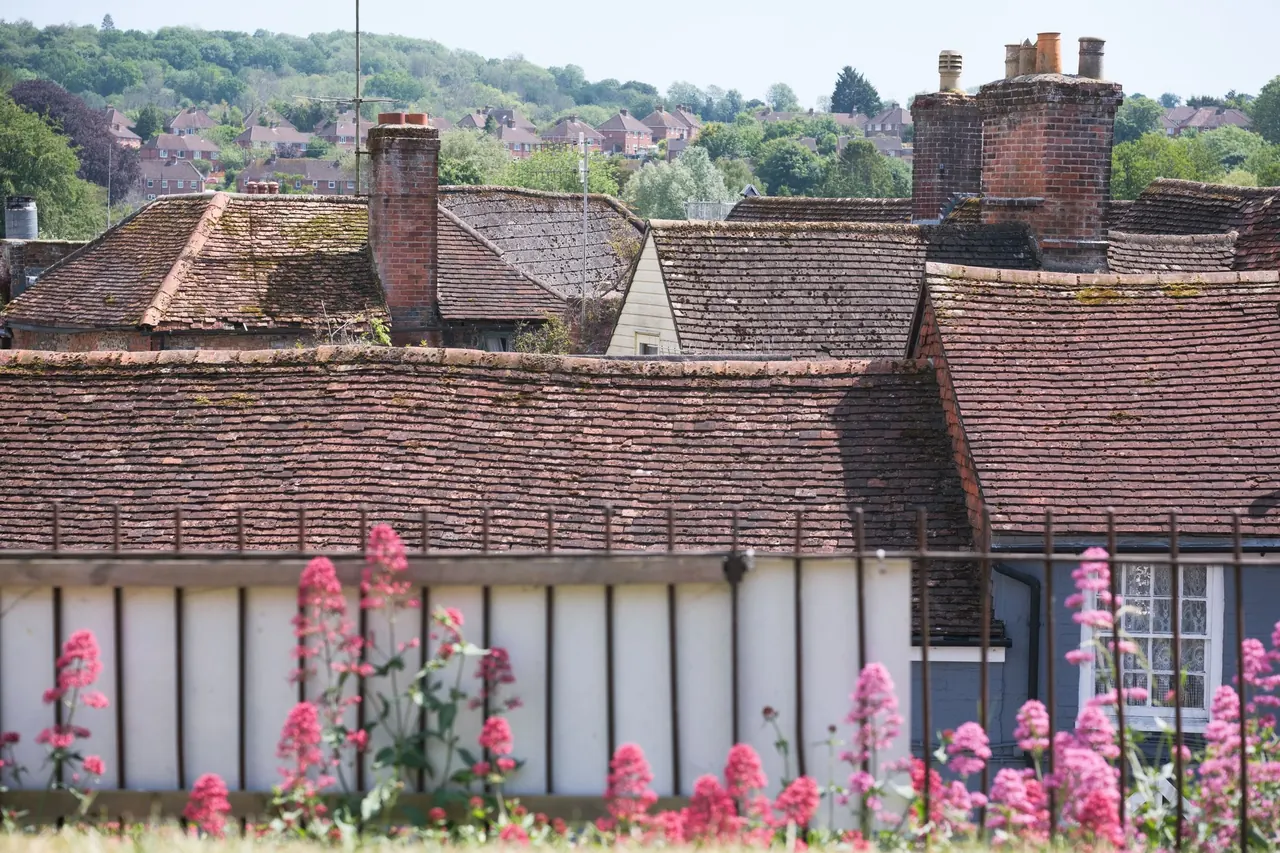
A slipped tile on a Stoneleigh semi is rarely hard to fix. Finding a tile that matches is often the harder part. The Stoneleigh Trust sold the land to various developers, so tile profiles, colours and fixings can vary even between houses built within a few years of each other.
West of the railway it is especially clear. Epsom and Ewell History Explorer says the Stoneleigh Hill Estate was divided into plots and sold to numerous builders, which is why its styles vary. On Westways, two pairs rebuilt after a wartime bomb have a steeper pitch than the rest of the road, and their tiles and fixings need to suit that pitch. East of the line, around the Broadway, it pays to check the tile on the house itself rather than assume it matches the next road.
Across both halves, the AECOM design codes for Stoneleigh and Auriol describe steep roofs, usually gabled and sometimes hipped, covered in pantiles or concrete tiles in reds and greys.
Bays, porches and dormer joins on a chalet semi
On roofs of this age the failures tend to be at the edges and junctions rather than in the middle of a slope:
- Bay and porch roofs. The small roofs over front bays and porches meet the brickwork along a flashing that is often thinner and older than the main roof's leadwork. A stain above the bay window is the usual sign.
- Dormer joins. A loft dormer adds lead soakers up each cheek, an apron where it meets the slope and tiles cut round it. Split soakers and old sealant patches are common.
- Tudor-style dormers. Some roads have larger dormers in white render with timber detailing. The junction between tiles and render needs a proper flashing chased into the wall.
- Slipped tiles. Old nails rust through and worn nibs let go. On a steep pitch, a loose tile tends to slide straight into the gutter.
- The chimney junction. Lead round the stack is a job of its own, covered on our chimney repairs in Stoneleigh page.
Pairs of semis were usually built together with the same materials, so a fault on one half is a fair prompt to check the other. If the leak turns out to be a dormer's own flat top, that work sits with our flat roofing in Stoneleigh.
Matching a concrete tile that is no longer made
Some older concrete tile profiles are no longer made. When we cannot buy a match, the usual answer is to take sound originals from a hidden slope, such as the back of the house or the side of a rear dormer, and use them on the front. The gap at the back is then filled with the closest modern tile, where it is not seen from the street. We show you the options before starting.
Water on a steep roof can run some way along a batten before it drips, so the stain on the ceiling is rarely under the hole. Where there is loft access we look at the timbers first, then check the matching spot outside, by drone if it is a rear slope or behind a dormer.
As a national guide, MyJobQuote's ridge tile cost guide lists £225 to £275 for a small ridge repair of one to three tiles. Quotes are free, and often given the same day you call. If faults are turning up all over the roof, our guide on repair or full replacement explains how to weigh it up, and our main roof repair page covers the work in more depth.
Frequently asked questions
The concrete tiles on our Stoneleigh semi are the originals. Can you still match them?
Sometimes with a new tile, often not exactly. Where the profile is no longer made, we move sound originals from a rear slope to the front and use the nearest modern tile out of sight. Either way, you see the choice before any tile goes on.
Water is coming in round the dormer on our Stoneleigh Chalet. Is it the dormer or the main roof?
It could be either. Most often it is the soakers or flashing where the dormer cheek meets the tiles, but the dormer's flat top can leak too. We check both and tell you which before quoting.
Next door re-roofed their half of our pair. Does that make our repair harder?
It can make matching easier. If their new tile is a close match to your old one, it may be the best choice for your repair. If not, your own originals from a hidden slope usually are. The join at the party wall is worth checking too, because that is where two roofs of different ages meet.





