



 Google reviews

The valley over a North Cheam bay window
The front of a typical 1930s house round the crossroads has a projecting bay with its own small gable, often half-timbered. That gable has to meet the main roof somewhere, and it does so in a short valley or a lead junction on each side. Those joints are small, steep and easy to skimp, and on many houses they are still the original work or a patch from decades ago.
When the valley lining cracks, the lead splits or the tiles beside it slip, rain finds the gap. Water often runs along a batten or rafter before it drips, so the stain on the front bedroom ceiling is rarely right under the fault. Driving rain finds it first, which is why a stain can grow in a south-westerly storm and stay dry for weeks after.
We trace the route the water takes from outside and, where there is access, from inside the loft. The repair is usually a new valley lining or new lead at the junction, with the cut tiles either side reset or replaced. If the gable's own small ridge or verge has worked loose, that is rebedded on the same visit.
Rows round Lavender Corner share their faults
Sutton's list of locally listed buildings records that W J Lavender built the houses in the roads around Lavender Corner, the 1934 Art Deco block on the corner of Cheam Common Road and London Road. Houses built at the same time to similar designs age in a similar way. When one bay valley in a row leaks, the next one along has the same valley. When the mortar under the hips of one roof has cracked and let a tile slide, the roofs either side were bedded with mortar of the same age.
The other weak points on these roofs are fairly predictable:
- Hips and ridge. Bedding mortar shrinks and cracks over the decades, and once it lets go, the tiles lift or slide in wind.
- Mid-slope tiles. Corroded nails and tired battens let single tiles slip, often after a gusty night.
- The stack. Lead or mortar fillets where the tiles meet the chimney crack and open up. Our chimney repairs in North Cheam page covers that work.
- Extension junctions at the back. Every later kitchen extension or dormer has an abutment with the original roof, and not every one was well detailed.
Where the back slopes or rear hips are hidden by an extension, a drone inspection of the roof lets us show you the problem before anyone climbs up.
Concrete or clay: matching a North Cheam pair
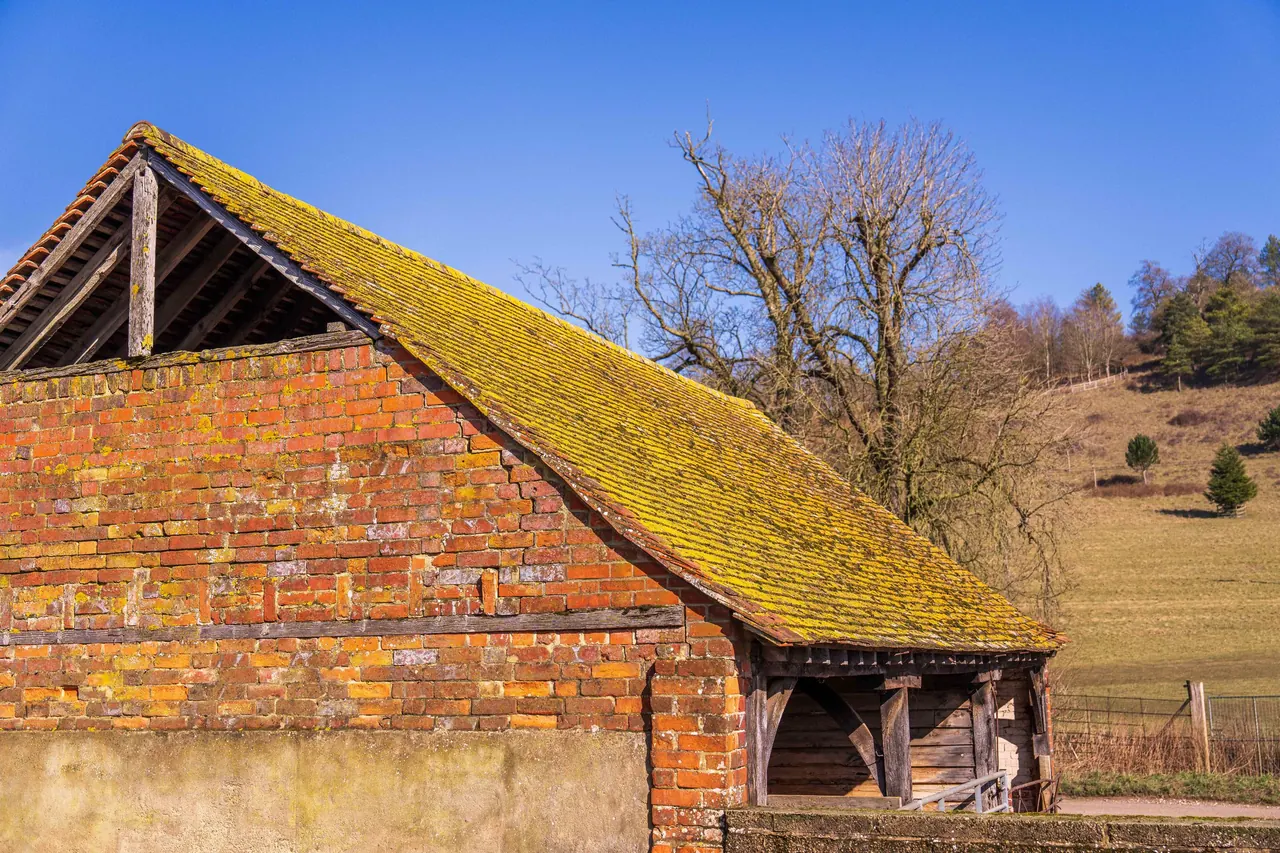
A pair of semis was built as one design, so a repair in the wrong colour or profile stands out from the street. Roofs of this age have often been re-covered at least once, commonly in concrete interlocking tiles, while others keep older plain clay tiles. Concrete interlocking tiles vary in shape between makers, so the first step is identifying the tile so a replacement locks in with the ones around it. Some original tiles are no longer made, and the closest match can then be a reclaimed tile or a current one in a similar colour. We bring samples and show you before fixing anything.
If repairs are turning up on every slope, it may be time to compare the cost with a full re-roof. Call or use our contact page; we can often visit and quote the same day, and you get a plain explanation of what we found before any work is booked.
Frequently asked questions
Our neighbour near Lavender Corner has just had their bay valley relined. Should ours be checked?
It is worth a look. If both houses were built together, the valleys were made the same way at the same time, and yours is likely to be at a similar stage. A photo from above usually shows whether the lining has cracked or the tiles beside it have moved.
The extension roof behind my Cheam Common Road house leaks where it meets the back wall. Is that a roof repair?
Yes. It is usually the upstand or flashing at the junction rather than the covering itself, and it can be fixed on the same visit as any work on the main roof.
The half-timbered gable on our North Cheam semi has a damp patch below it inside. Is it the roof?
It can be the valley beside the gable, or water getting in behind the timbers and render of the gable face itself. We check the valley and the verge first, then look at the gable face, so the right part gets fixed.





