



 Google reviews

Swallow's clay on The Avenue and Shirley Avenue
A repair on a Burton house starts with the colour. The local neighbourhood forum's Burton Estates character appraisal records that the original roofs were handmade red clay plain tiles, made in Surrey by Swallow's Tiles, and it asks for replacements to match the existing as closely as possible. Handmade clay has a slight camber and a mottled face, and after decades of weather it has softened to a shade no new tile matches straight off the pallet.
On The Avenue, Shirley Avenue, Golf Side and Downs Side, that matters more than on most streets, because the houses are individually designed and the front slopes are the part everyone sees. A repair here is no time to change the covering either: the same guidance treats grey slate and black or green tiles as out of character.
Bay roofs and tile-hung walls
The parts of a Burton house that leak first are often not the main slopes at all. Full-height bays are usually capped with a small rectangular hipped roof that overhangs the bay, sometimes carried on brackets. That little roof takes rain and wind from three sides, has its own lead flashing where it meets the wall, and drains into a short gutter that is easy to forget. When it fails, the stain shows at the top of the bay window, and people often assume the main roof is to blame.
Tile-hanging is the other one. Many of these houses have tile-hung bays or a whole tile-hung upper floor, in the same clay as the roof and fixed the same way. A few loose tiles there let water behind the face of the house, and a slipped one is a falling hazard over the front path. We treat tile-hanging as part of the roof: refixing or replacing tiles, and checking the battens behind them while they are open.
On the main roof, the usual faults are plain tiles slipping because the nails or nibs have given up, hip tiles with cracked bedding, and valleys where a subsidiary gable meets the main slope. Where a slope cannot be seen safely from a ladder, a drone look at a Cheam roof shows it without scaffold.
Borrowing tiles from the back slope
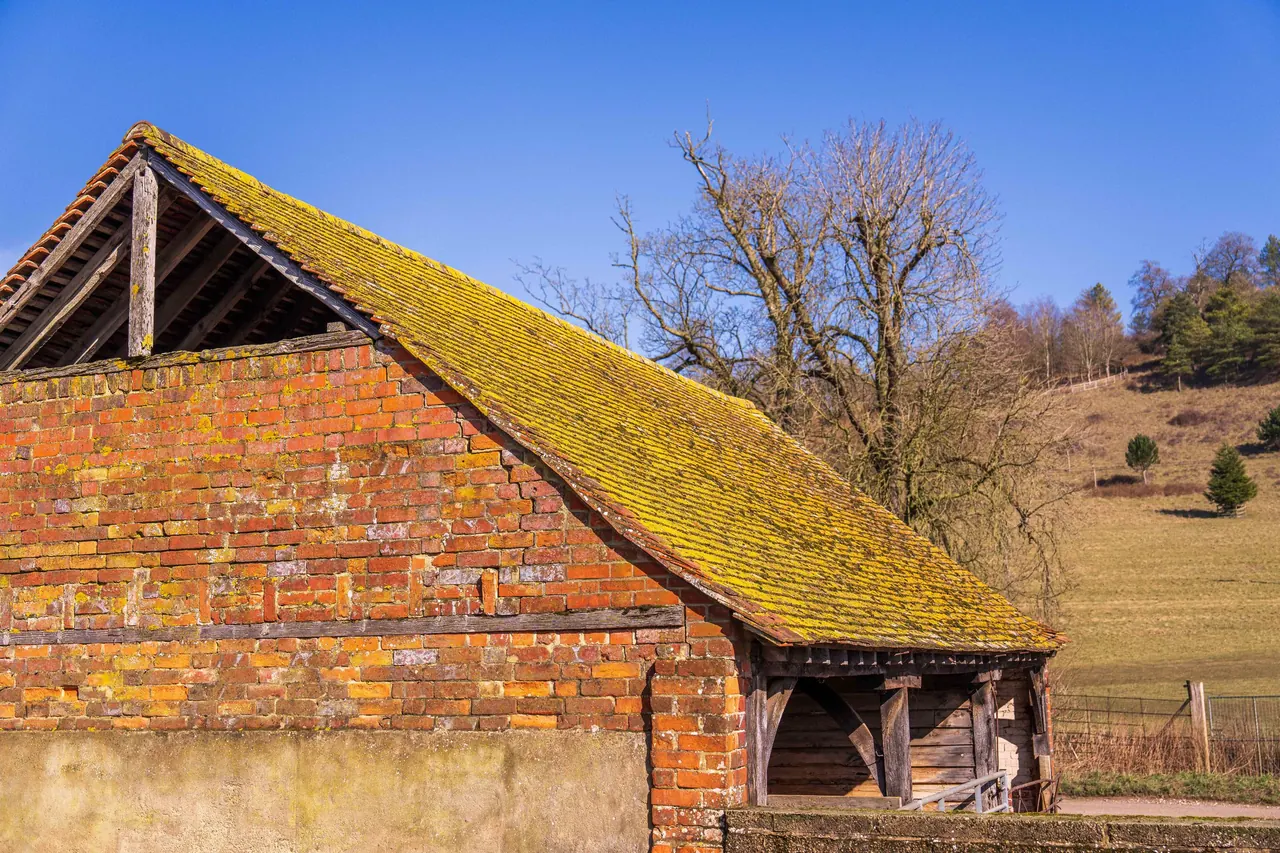
For a handful of tiles, slipped ones are reset on new fixings and broken ones are replaced with the closest match available, which on these roofs often means reclaimed handmade clay. On a front slope there is a better trick: take sound originals from a hidden rear slope to fill the gap at the front, and put the new tiles round the back, where the colour difference does not matter. If a close match is not possible, we say so before work starts.
For a sense of scale on the commonest small job, MyJobQuote's ridge tile guide puts repairing one to three ridge tiles at £225 to £275 nationally, though a long clay hip on a house this size often needs more than that.
Manor Road and the later roads
Burton's earlier Cheam Manor Estate, around Manor Road, has simpler designs on more modest plots, so roofs there are smaller and plainer, with fewer bays and gables. The later houses dotted among the Burton roads, such as the Northey Avenue bungalows, are simpler roofs. Where they carry concrete interlocking tiles, the faults tend to be at the ridge, at the verges and around dormers rather than in the tiles.
When the battens have softened across most of a slope, patching only moves the leak along. Our guide on repair or full replacement explains how to tell, and the national roof repair page covers the wider range of work.
Frequently asked questions
The overhanging roof on my Downs Side bay sits on brackets. Can it be repaired without taking it down?
Usually, yes. The tiles, the lead against the wall and the small gutter can all be renewed in place. If a bracket has rotted, it is repaired or replaced in timber so the bay roof is properly carried again.
My house on Manor Road is one of Burton's early ones. Is it inside the Burton Estates area?
Possibly. Only a relatively small part of the Cheam Manor Estate, mainly Manor Road, is inside the Burton Estates Area of Special Local Character. Either way, a like-for-like repair needs no permission, and the designation does not remove permitted development rights.
I own one of the locally listed 1970s houses on Warren Avenue. Does that change a repair?
A like-for-like repair is still a repair. Local listing is a non-statutory designation that the council weighs when it looks at changes, so keep to the existing tiles and details, and speak to Sutton Council before altering how the roof looks.





