



 Google reviews

Tiles coming off on Kingsmead and Southville Close
A tile on the drive after a windy night, and a gap on the front slope where it used to be, is how a tired roof of this age usually announces itself. On Kingsmead and Southville Close the roofs are getting on. A builder named Turner put up both streets, then the south side of Northcroft Road, and the History Explorer's West Ewell pages date the houses to 1929, at under £800 each. Nothing in the record says how they were roofed, so we start from what is actually on yours.
If a roof that age has never been stripped, its nails and battens are close to a hundred years old. The tiles often look fine from the road. The fixings behind them are what give up, and the roof starts to shed tiles one or two at a time. That pattern is the main thing we look for on a repair visit to these streets.
Where a roof of that age lets water in
- Slipped tiles. The nail rusts through or the nib on the back of the tile snaps, and it slides down. We refit it with new fixings, and check the tiles around it, because they are usually the same age.
- Hip and ridge mortar. If your roof is hipped, it has long runs of bedded hip tiles as well as the ridge. Once the mortar cracks, wind gets underneath and the tiles start to rock.
- Bay roofs. The small roof over a front bay has its own flashing against the wall, and when it cracks the damp shows in the corner of the front bedroom.
- Chimney lead. Flashing and soakers round the stack lift or split. Our chimney repairs in West Ewell cover the stack itself.
- Old patches. Sealant smeared over a flashing, or a few odd tiles from a previous repair, tend to fail first. Putting them right with proper materials is usually a small job.
Check from the loft whether there is a membrane under the tiles. Where there is none, a single missing tile lets rain straight onto the loft floor rather than off a membrane into the gutter, so do not leave a gap through a wet week.
When one more repair stops making sense
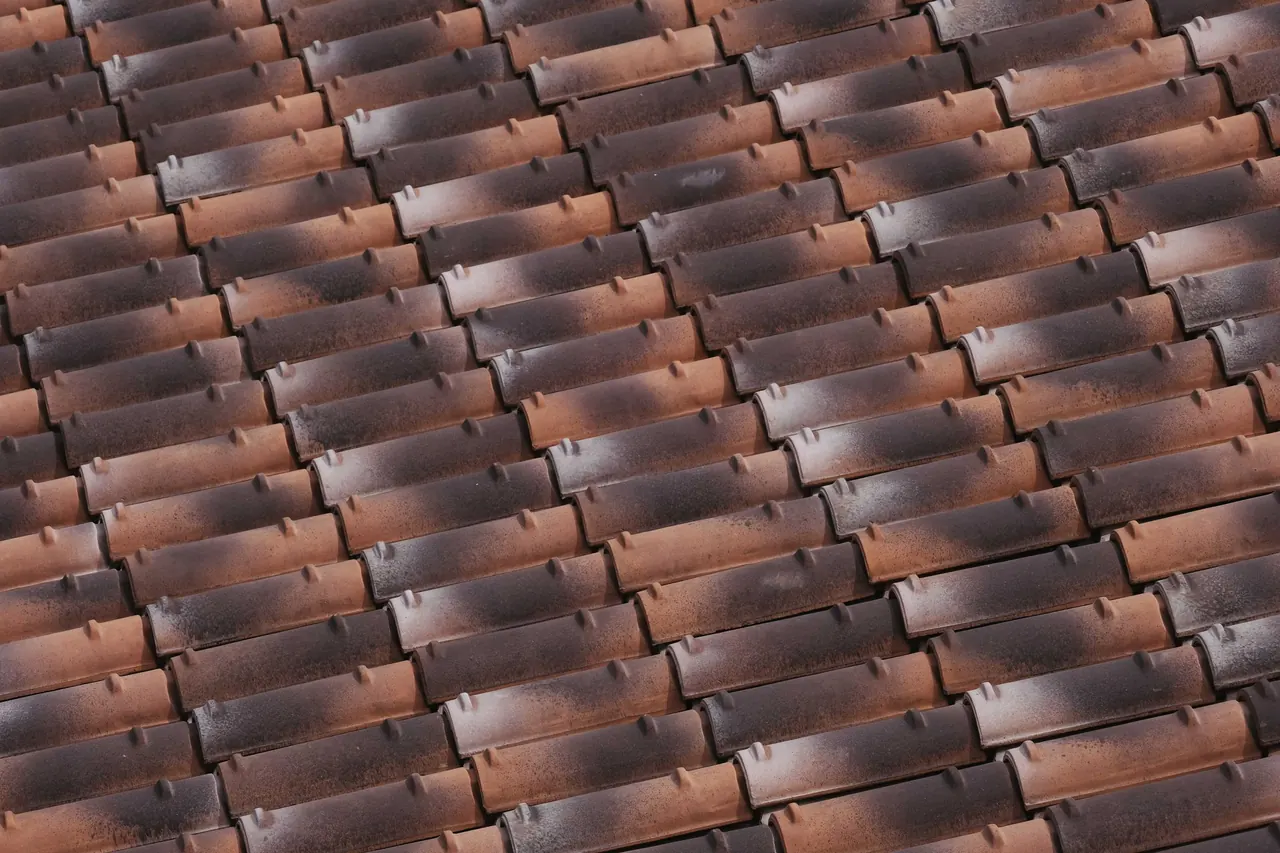
If the trouble is in one place, such as a few tiles on one slope, a length of hip or one flashing, repair is the right call. If tiles are slipping across several slopes, the battens are soft when we press them from the loft, or there are leaks in more than one spot, each repair buys less time. At that point we will tell you straight that the roof is heading for replacement, and you can decide when. Our guide to repair or full replacement walks through the signs.
When we come out, we look from the ground, the loft and, where the problem is on a rear slope or hip, from the drone. You see the photos, we explain the cause, and you get a written price before anything starts. As a national benchmark, Which? reports £75 to £400 excluding VAT for replacing one to six standard tiles.
Older roofs on Plough Road
Not everything here is interwar. Northcroft Road was once Plough Lane (its history is on our blocked gutter page), and round the corner the Plough Road terraces date from 1905 and 1906. Repairs on older roofs often mean undoing earlier fixes: cement fillets where there should be lead, or mismatched tiles where a slipped one was replaced in a hurry. We match the tile by size, colour and profile, using reclaimed stock where a new tile would stand out. More on the work we do is on our main roof repair page.
Frequently asked questions
Tiles keep slipping on my Kingsmead semi. Is the whole roof failing?
Not necessarily. If they are coming from one area, the fixings there have gone and a repair will hold. If they are coming from all over, the nails across the roof are failing together and you should start budgeting for a re-roof.
Can you tell from the loft whether my Southville Close roof has ever been re-covered?
Usually. Original battens are dark and often split at the nails, and if you can see the backs of the tiles there is no underlay. A re-covered roof will have a membrane and newer, sawn battens.
The hip tiles on my Northcroft Road house rock when the wind gets up. What does the repair involve?
We lift the loose hip tiles, clear out the old mortar, and re-bed or dry-fix them so they sit tight again. On most semis it is a short job done from roof ladders.





