



 Google reviews

Spa-era roofs on the west High Street and West Street
A cluster of buildings from Epsom's spa years still lines the west end of the High Street and West Street. Their shopfronts have changed many times. Their roofs, in places, have not.
The listing descriptions show what is up there. Nos. 94 to 98 High Street, which include Yew Tree Cottage, have an old tile roof hipped at one end with flat-topped dormers. No. 17 West Street, once The Old Manor House, has three flat-topped dormers in a large old tile roof behind a capped parapet, with the upper part of the roof at a slightly flatter pitch than the lower.
When roofs like these leak, the tile is rarely the cause. Old clay tiles last a very long time. What fails is what holds them up: rusted nails, perished oak pegs, soft battens, ridge and hip mortar that has washed out, and lead that has split where the roof meets a dormer or a wall.
Where these old roofs let water in
- Dormer tops and cheeks. Small flat-topped dormers are a frequent source of leaks into top floor rooms on old roofs like these. The lead on the top splits along old folds, and the cheeks open up where they meet the main slope.
- Hips. A hipped roof has long hip lines bedded in mortar. Once the bedding cracks, hip tiles loosen and water runs down inside the line.
- Changes of pitch. Where a roof changes angle part way up, as on No. 17 West Street, the tiles at the kink are under more strain and the fixings there tend to go first.
- Abutments. Along the High Street, two-storey and three-storey buildings stand side by side, so lower roofs run straight into the side walls of taller ones. The flashing at that junction is a regular weak point.
- Back additions. Lean-tos and small flat roofs over rear yards, which our town centre flat roofing page deals with.
A repair that holds deals with the cause, not just the slipped tile. If one tile came away because its nail rusted through, the tiles around it are on nails of the same age, so we check the area around it and tell you what we found.
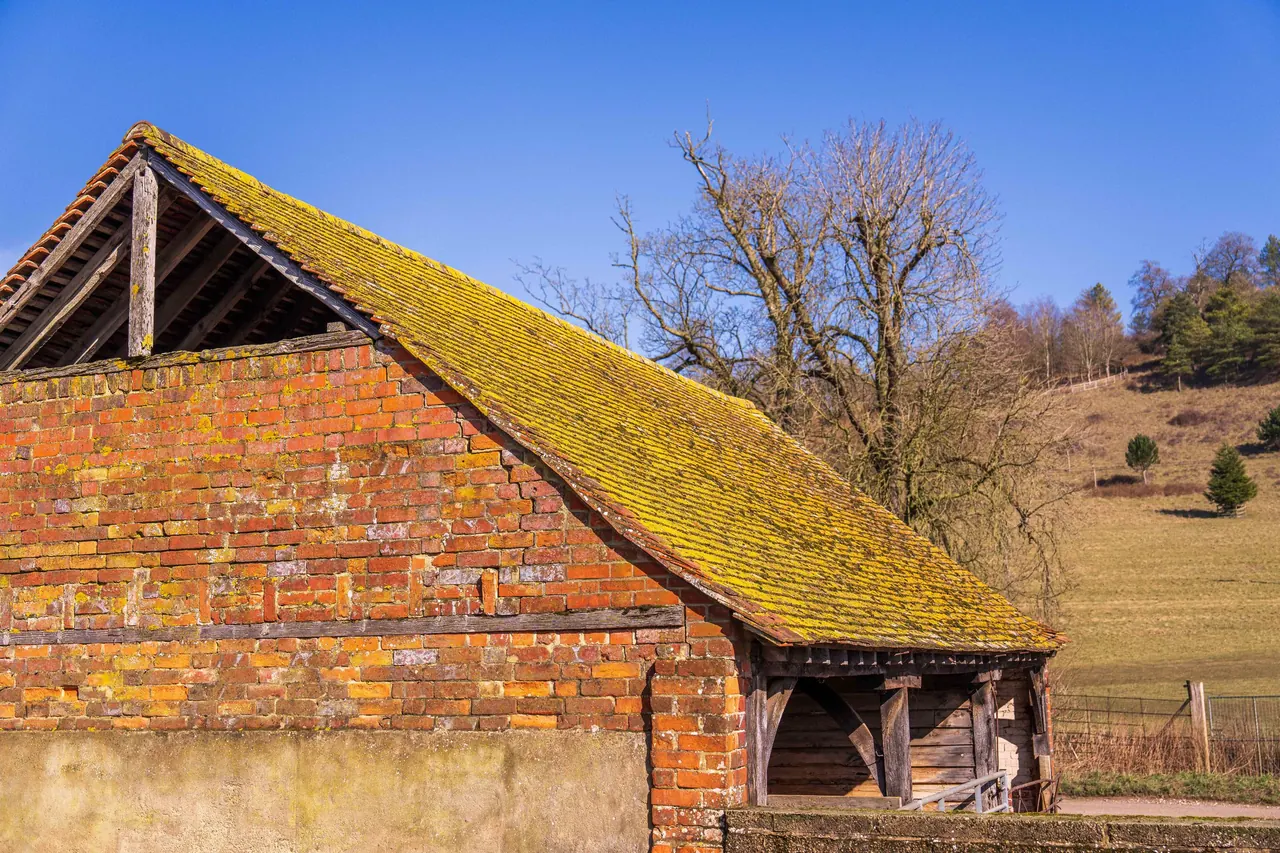
Matching tiles on Epsom's listed buildings
Many buildings along this stretch are listed. Under the Planning (Listed Buildings and Conservation Areas) Act 1990, carrying out unauthorised works that affect a listed building's character can be a criminal offence. That is the main reason we repair like for like.
Old handmade tiles vary in size, thickness, camber and colour, and modern machine-made tiles look wrong next to them. We look for the closest match, which for discontinued sizes can mean reclaimed tiles. Ridge tiles and the mortar that beds them are matched too.
If a repair would change the look of the roof, such as a different tile, a new roof light or a rebuilt dormer, the owner will need Listed Building Consent from Epsom and Ewell Borough Council first. We raise that before any work is booked.
Getting a repair done above a working shop
Most of these buildings have a business on the ground floor, with offices, storage or the occasional flat above. Access is usually the biggest variable. Where the fault can be reached from a rear yard, a ladder or tower may do. Where it is on the street slope, it may need scaffolding and a pavement licence. Before anyone pays for that, a drone inspection of the roof shows us exactly where the fault is and how big the job is.
Quotes are free, and the way we approach repairs on older pitched roofs generally is set out on our main page. If water is already coming through, our emergency service for the town centre is the place to start.
Frequently asked questions
Slipped tiles on the back of our High Street building face the yard. Can they be reached without scaffolding on the pavement?
Often, yes. A rear slope over a yard can usually be reached with a ladder or tower from the yard itself, which avoids a pavement licence. We check the access by drone first and the quote says what the job needs.
Water comes in round the dormer in my top floor office on West Street. Is it the window or the roof?
On old flat-topped dormers it is nearly always the roof: the lead on the dormer top, the lead cheeks, or the flashing where the dormer meets the main slope. We check all three because they tend to fail together.
No. 17 West Street's roof changes pitch part way up. Does that kink need special attention?
Yes. Where a roof flattens towards the top, the tiles at the change of angle sit at a different lap and the fixings there work harder, so that line is checked closely. On a listed roof the change of pitch is part of its character and is kept, not straightened out.





