



 Google reviews

Belfield Road: one street, two ages of roof
Belfield Road is a good example of how unevenly West Ewell was built. The Epsom & Ewell History Explorer records that it went up in two halves. The Chessington Road end came first, on land outside the Gadesden family's ownership, and the rest was finished after the war. The History Explorer notes that the house styles show the two periods, and that the road was not even made up, or drained, until about ten years after the first houses.
For a re-roof that matters. A pre-war house at the Chessington Road end is older and more likely to need batten and wall plate work once stripped. A house at the later end usually has different tiles and timber sizes. Neighbours a few hundred yards apart can need very different jobs, and the price for one tells you little about the other.
Replacement makes sense when the problems are spread across the roof, such as tiles slipping on several slopes or leaks that come back after each repair. If it is one slope or one flashing, a repair is the better spend, and our guide on how long a new roof lasts gives typical lifespans for each covering.
Re-roofing pre-war and post-war West Ewell houses
Interwar houses. Much of West Ewell went up in the late 1920s and 1930s, on plots sold off from Fitznells Farm from 1933, with streets such as Station Avenue filling from 1935. Where a roof has never been re-covered, the strip reveals the original battens, and they are rarely worth keeping. The rafters are generally sound, but we check every wall plate and replace anything rotten before the new membrane goes on.
Post-war houses. The back half of Belfield Road, the council houses for hospital workers on Lansdowne, Chesterfield and Heatherside Roads, and the housing on former Ruxley Farm land after 1959 all have roofs that have now been up for decades. Where a roof carries concrete interlocking tiles, they are heavier than most clay tiles, so if you are thinking of changing to a lighter tile, or the other way, we check the timbers will take it.
Older houses. On Chesterfield Road, where some houses date from 1890, a re-roof is often the chance to clear out a century of patching and put proper lead back at the stack and abutments.
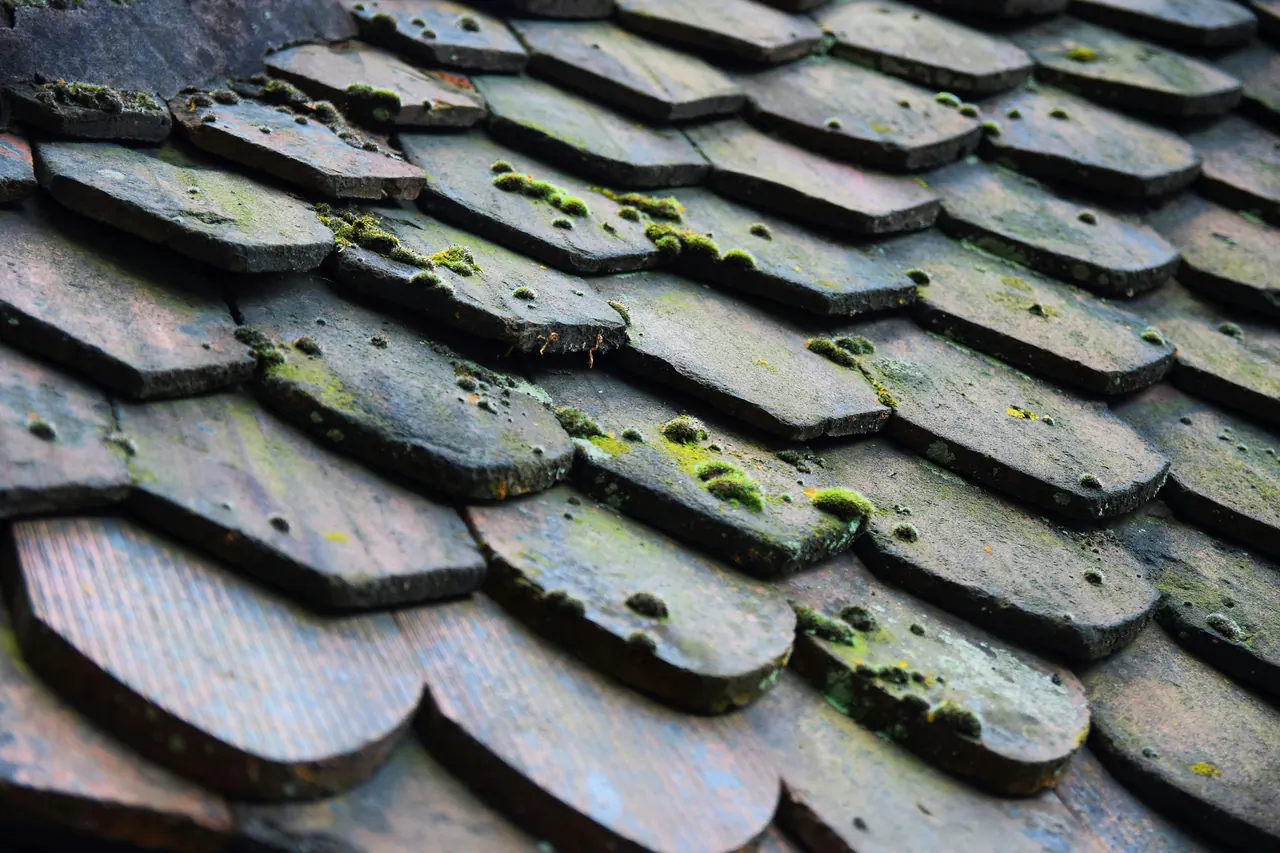
A West Ewell re-roof from strip to ridge
Once the scaffold is up and the garden protected, the old tiles, battens and underlay come off down to the rafters. We check and repair the timbers, lay a breathable membrane, fix new battens at the gauge the new tile needs, and tile from the eaves up. Ridge, hips, valleys and flashings are all done new. The roof is made weathertight at the end of each day. With the scaffold already there, it is the obvious moment to renew tired boards and gutters too, and our fascias and soffits work can go in alongside.
For a national picture of cost, Checkatrade's roof replacement guide says most UK homeowners spend between £4,000 and £19,000. Size, shape, tile choice and what turns up under the old covering decide where your roof lands. Like-for-like re-covering does not normally need planning permission here, but it does need to meet Building Regulations. Our main roof replacement page has more.
Frequently asked questions
We are at the post-war end of Belfield Road. Will our re-roof cost the same as the older end?
Probably not. The roof size, tile and timber can all differ between the two halves, and older roofs more often need batten and wall plate repairs once stripped. We price each house from what is on it.
Are the timbers on a Lansdowne Road council house strong enough for its concrete tiles?
Usually, but it is worth checking when the roof is stripped. Interlocking concrete tiles are heavy, and some post-war roofs have rafters that have spread or sagged a little under them. Any weak timber is strengthened before the new membrane goes on.
What extra work does a re-roof on an 1890s Chesterfield Road house involve?
Mostly undoing old repairs. Expect us to replace cement fillets with proper lead, renew soakers at the stack and abutments, and swap out rotten battens or wall plate. We list those items separately in the quote so you can see where the money goes.





