



 Google reviews

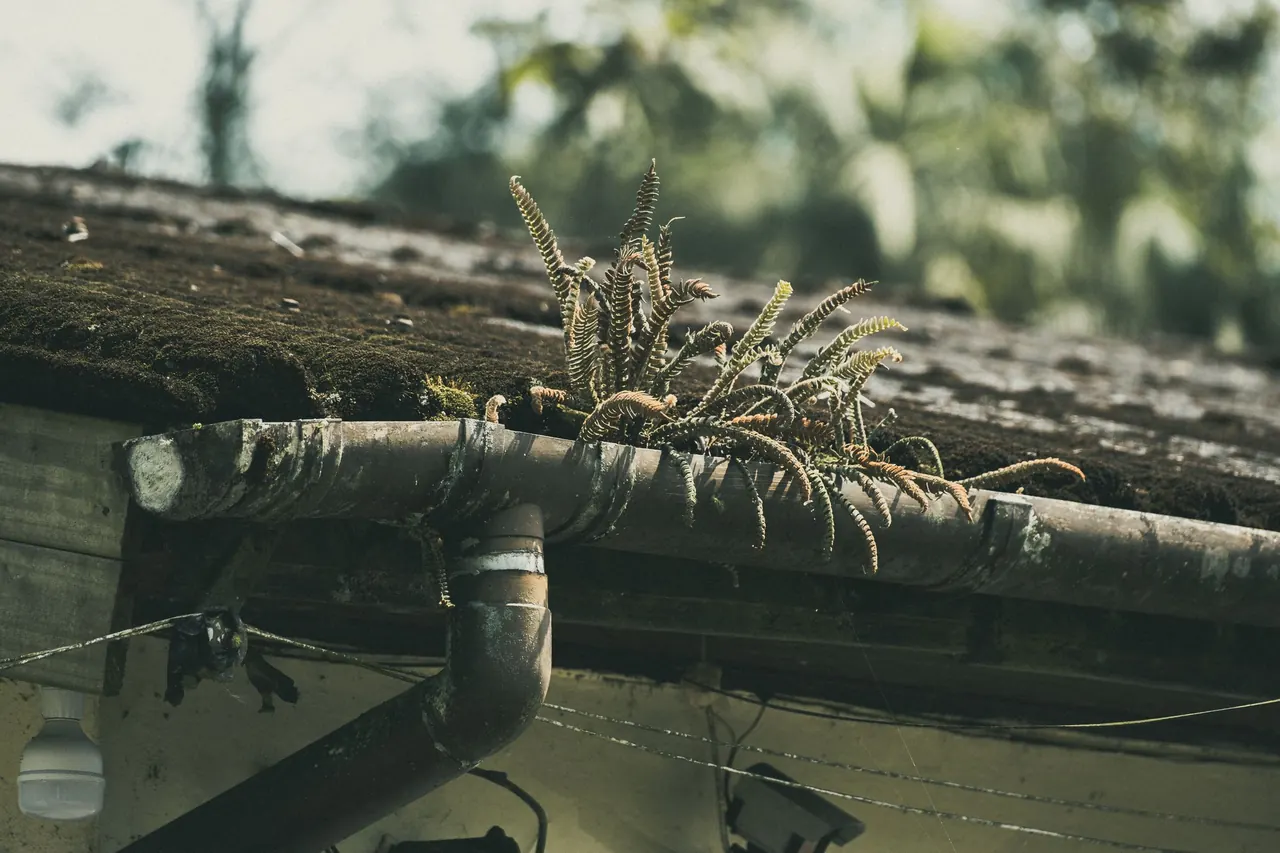
Trees are close to a lot of Stoneleigh roofs. The AECOM design codes for Stoneleigh and Auriol record many mature trees under Tree Preservation Orders, with deciduous woodland near the railway and Nonsuch Park, and the Neighbourhood Plan adds the trees along the railway embankments. Every gutter under them fills in autumn. A gutter that overflows again a week after it was cleared is a different problem, and that is the one this page is about.
Under the railway banks and the Nonsuch Park woodland
Houses backing onto the line-side trees, and those on the Nonsuch Park edge such as the Bluegates estate by the A24, take a heavier load of leaves, twigs and seed cases on the rear gutters than the street side gets. On those runs, small weaknesses that would never matter on an open road start to cause repeat blockages:
- A fall that is too flat. A gutter set nearly level lets wet leaves settle along its length instead of washing to the outlet. Resetting the brackets to a steady fall often cures it.
- An outlet that is too small. A long rear run under a steep 1930s roof, with one small outlet at the far end, chokes with the first wet leaves. A larger outlet, or a second one part-way along, gives the water somewhere to go.
- Moss off concrete tiles. Even away from the trees, moss and grit washed down a concrete-tiled roof pack round the outlet like a plug.
Gutter guards can cut down how often leaves get in, particularly under trees, but fine debris and moss still build up on top of them, so they reduce the clearing rather than end it.
Water butts and Policy 8
Policy 8 of the Neighbourhood Plan encourages new development and extensions that need planning permission to capture rainwater in butts where possible. A butt can go on any existing downpipe too. It is fed by a diverter cut into the downpipe, and the diverter is a common place for a blockage. Its small inlet traps leaves and silt, and when it fills, the water backs up the pipe and over the gutter above. A butt that is full with no overflow does the same.
So when a gutter over a water butt overflows, we check the diverter and its filter first, clear the pipe through to the bottom and, if there is no overflow route, can fit one back to the drain.
Clearing it, then fixing why it keeps happening
Each blockage is cleared by hand and the downpipe rodded or flushed if the blockage sits further down than can be reached. Then water goes in at the top so we can watch where it goes. That is what shows up a flat section, a slow outlet or a choked diverter. Then the fault gets fixed: brackets reset, a larger outlet fitted, or the diverter cleared or replaced.
If the trouble turns out to be a leaking joint or a split section rather than a blockage, that is covered on our gutter repairs page for Stoneleigh. Routine autumn clearing is on our gutter cleaning in Stoneleigh page.
The Which? guide to roofer costs lists clearing all the gutters front and back at £75 to £350 excluding VAT, before any repair work. The main blocked gutter repair page has more.
Frequently asked questions
Our chalet semi's downpipe feeds a water butt, and the gutter above backs up in heavy rain. Why?
Usually the diverter into the butt is blocked, or the butt is full and has no overflow back to the drain. We clear the diverter and the pipe and can fit an overflow so the gutter stops backing up behind it.
We are on the Bluegates estate by Nonsuch Park and the back gutter blocks every few weeks in autumn. Will a bigger outlet help?
Often, yes. A larger outlet and a steady fall let the water carry leaves through instead of settling. With woodland that close, the gutter will still need clearing more than once a year, but it should stop overflowing between visits.
Would gutter guards stop the railway trees blocking our rear gutter?
They help, but they do not end the job. Leaves sit on top of guards and fine debris gets through, so a guarded gutter still needs an occasional clear. On a run that blocks because of its fall or its outlet, fixing that comes first.





