



 Google reviews

Pond Cottages and the old Village
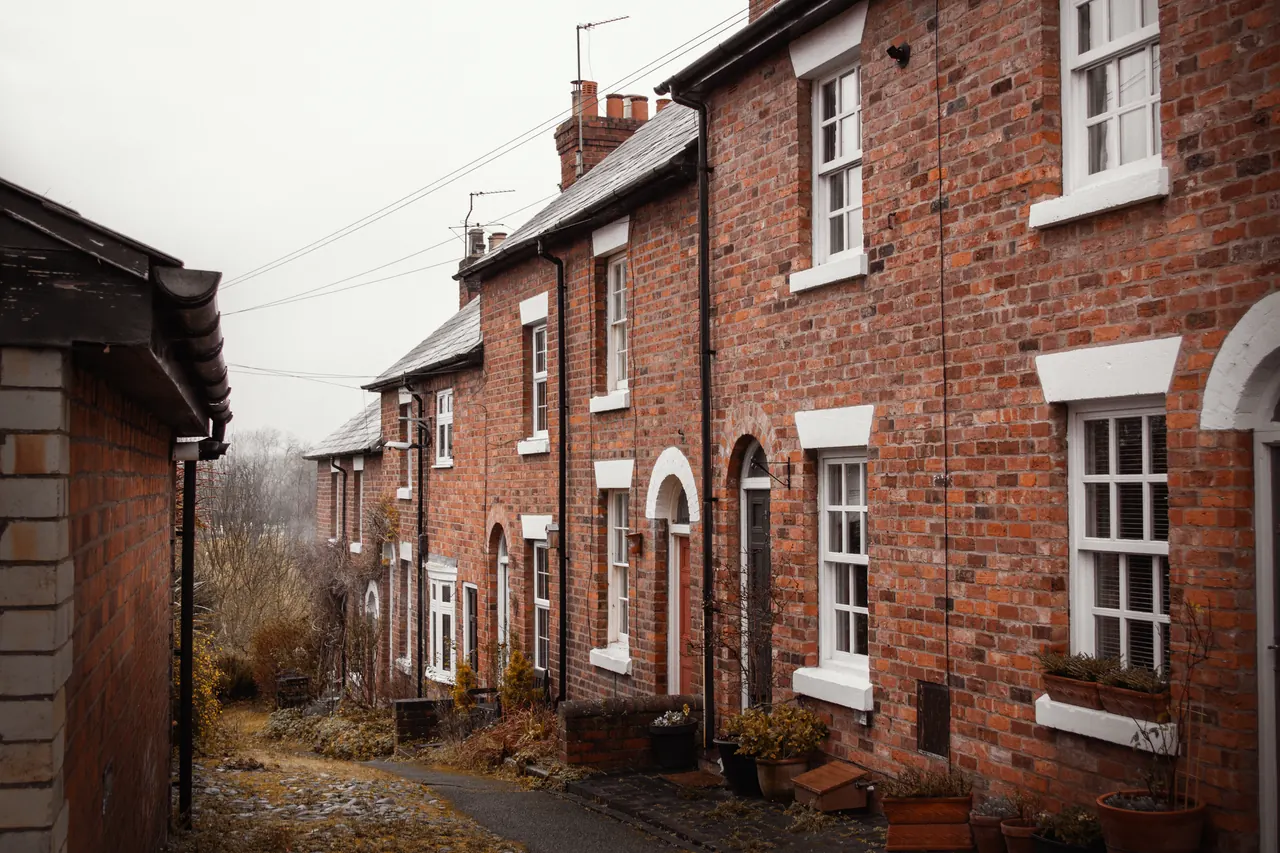
Near the Mill Pond, which may once have been a flooded clay pit, stands a terrace of small cottages known as Pond Cottages. Southwark's appraisal dates them to the 18th and early 19th centuries and suggests they may first have housed the brick makers who worked the nearby brick field. It asks that their small scale and setting be respected. Dulwich Village itself is lined with Georgian townhouses and an irregular run of 18th and early 19th century cottages and shops at Nos. 70 to 82.
On houses like these the gutter is part of the front elevation, and the council's guidance for the conservation area encourages traditional materials, especially on listed buildings, with replacements matching the originals as closely as possible. Putting up a bright plastic run on a Georgian front changes how the whole row reads. That is also why the Estate wants to see a change of gutter material before it happens, as our Dulwich roofing page explains.
Choosing the material house by house
We fit cast iron, uPVC and aluminium, and in Dulwich the age of the house usually settles the choice.
- Georgian and early Victorian fronts. The Village, Pond Cottages, the villas on College Road and the big houses on Dulwich Common. Painted cast iron is the likely answer, and on a listed building Southwark may need to agree the details too.
- Late Victorian and Edwardian houses. The cottages on Turney Road and Boxall Road and the terraces toward Calton Avenue were usually built with cast iron, often half-round or ogee. Where some originals survive, matching their profile keeps the row consistent.
- 1920s and post-war houses. Roseway, the post-war rebuilds on Court Lane and the Estate homes up toward Dulwich Wood. Here uPVC or coated aluminium can suit the design, and long runs on plain eaves may suit a seamless aluminium gutter.
Deep roofs under the Village chestnuts
Material is half the job. The other half is capacity. A Georgian house with a deep roof, or an Edwardian pair with gables and bays feeding into one run, sheds a lot of water quickly in a summer storm. Under the chestnuts around the Village, leaves and husks reduce the space in the gutter for weeks every autumn. A gutter that only just copes when clean will overflow as soon as it is part-full.
So before we order anything we look at the size of each roof slope, where the water collects, and where the downpipes are and could be. Sometimes the answer is a larger section, sometimes an extra downpipe, and sometimes simply putting the outlet where the water actually goes.
On the day, we first check that the fascia, or on older houses the rafter feet, can take new brackets. Rot behind an old gutter is common on timber that has been wet for years, and there is no point fixing a new gutter to a soft board. Brackets go up at the right spacing, the fall is set to what the system's maker specifies, typically around 1 in 600 for plastic, the downpipes are connected into the drain, and the run is tested with water before we leave. If the boards are tired, new fascias and soffits can go up on the same visit.
As a national guide, MyJobQuote's October 2026 figures put uPVC guttering at £40 to £50 a metre supplied and fitted. Cast iron costs more per metre than uPVC, and on a three-storey Georgian front the access matters as much as the metal, so we price cast iron from the house itself in a free quote. For a side-by-side of the materials, see the gutter installation service page.
Frequently asked questions
Which gutter profile suits a Georgian house on Dulwich Village?
Usually whatever survives on the house or its neighbours. Half-round and ogee cast iron are both common on older houses. If an original length is still in place, matching it is the safest choice for the Estate and the council.
Should the downpipes on a College Road villa be cast iron as well?
If the gutters are, yes. A cast iron gutter feeding a plastic downpipe looks odd on a period front, and on a listed villa the council is likely to want the rainwater goods to match.
Can I swap the cast iron on my Victorian cottage for uPVC?
It is a change of material, so if the house is under the Dulwich Estate's Scheme of Management, the Scheme office needs to agree it first. Where a row of late Victorian cottages still has cast iron, matching that profile is likely to be the easier case to make.





