



 Google reviews

Cast iron on Lancaster Avenue
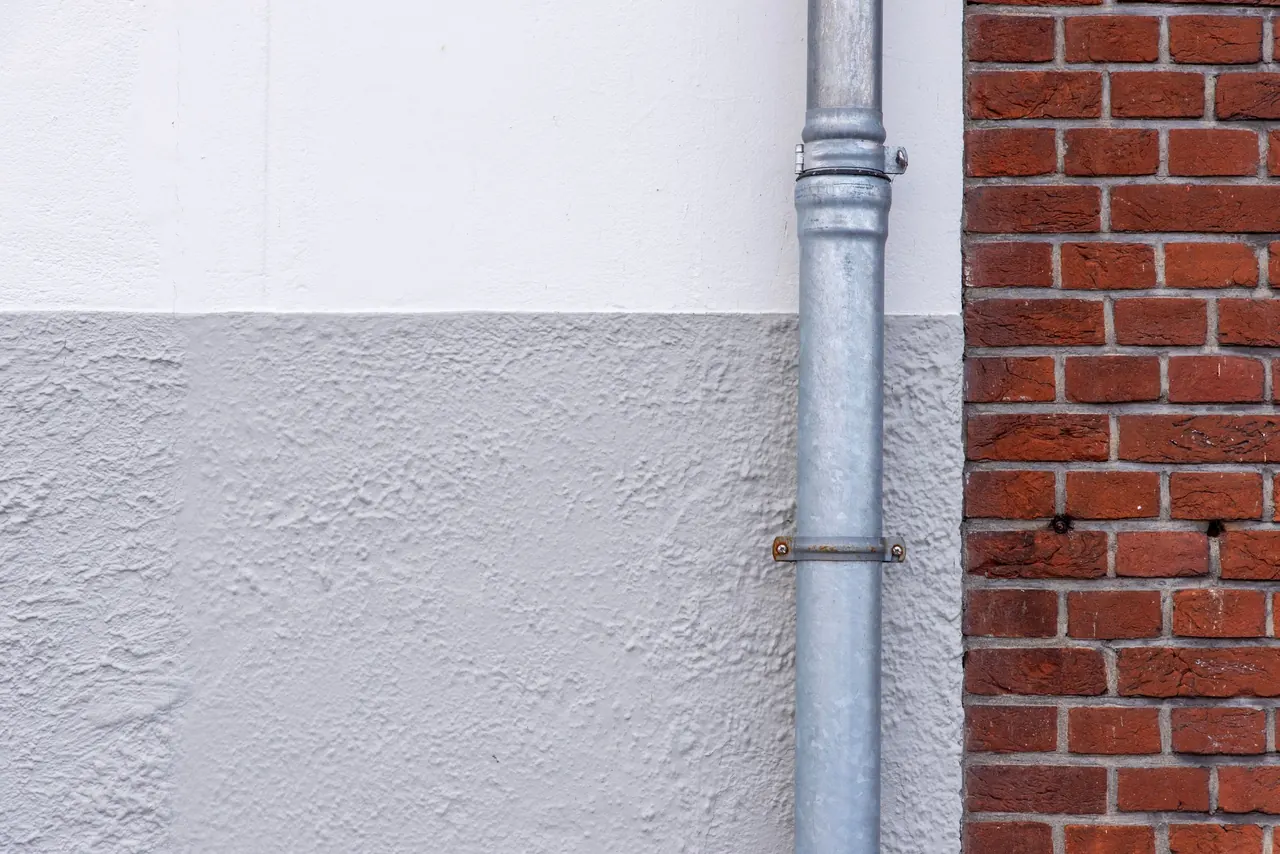
Lambeth's 2017 appraisal of the Lancaster Avenue Conservation Area says the gutters and downpipes on its 19th century houses would originally have been cast iron, and that plastic replacements invariably look crude and inferior beside the originals. On a street of Italianate semis and 1879 villas, the rainwater goods are part of the front of the house.
Many of these houses, and a great many Victorian terraces around St Luke's and the cemetery, now have a mix: some original iron, some plastic, odd profiles that do not quite meet, and brackets rusted into the fascia. Once a system has reached that stage, renewing it as a whole usually works better than chasing one joint after another.
In the two conservation areas, cast iron is the natural choice on the street side. On the back, or on houses outside them, uPVC or aluminium can make sense. Houses with a parapet at the front usually drain to the rear, so the new system there is mostly at the back.
Where the water goes on a sloping plot
West Norwood's centre is a hollow with hillsides rising on three sides, and Lancaster Avenue itself runs along a hillside. On many plots the garden is lower than the house, or drops from one side to the other. A downpipe that empties onto a path or into a flowerbed sends water downhill towards the next boundary wall or a neighbour's back door.
So before we fit anything, we look at where each downpipe can discharge: into an existing gully or drain where there is one, or a water butt with an overflow that goes somewhere sensible. On a back addition or a London roof, a lot of water leaves the roof at one point, so the outlet and downpipe there need the capacity for it.
Estate houses from Elder Road to Knights Hill
West Norwood also has post-war council housing, including the Elder Road houses built with prefabricated methods in 1947 and 1948 and the Knight's Hill Estate finished in 1953 on the corner of Crown Dale. On estate houses outside the conservation areas, uPVC is a straightforward choice. The Dunbar and Dunelm houses of 1977 to 1980 beside the cemetery are different: Lambeth's 2020 draft appraisal proposes adding that estate to the conservation area, so new gutters there should match the neighbours, and it is worth checking with Lambeth first. Where an estate house has a long, plain eaves line, our seamless aluminium gutters in West Norwood are worth comparing.
For guide prices, Checkatrade's gutter replacement guide puts fitted cast iron at £85 to £275 a metre, against £30 to £70 for uPVC. We measure the runs and price yours from that.
Fitting a new run
We start with the fascia, because new brackets need sound timber to hold. On many older houses here the board has rotted behind the old gutter, and replacing it at the same time saves a second visit; see our fascias and soffits work. Then brackets go up at the right spacing, the fall is set towards the outlet (about 1:600 is the usual guide), every joint is sealed and the downpipes are connected to where the water should go. The old guttering comes away with us.
Our main gutter installation page goes into profiles and materials in more depth.
Frequently asked questions
My downpipe on the south side of Lancaster Avenue empties onto a path that runs downhill to the neighbour's wall. Can you change that?
Yes. We can reroute the downpipe to an existing gully or drain, or fit a water butt with a proper overflow, so the water stops running towards next door.
Can a new cast iron gutter be fixed to the old timber fascia on my Chestnut Road villa?
Only if the fascia is sound. Cast iron is heavy, so we check the board and rafter ends first and replace any rotten timber before the new gutter goes up.
Which profile suits an Elder Road estate house?
A plain half-round or square uPVC profile usually suits these simpler post-war rooflines. We will show you the options when we measure up.





