



 Google reviews

Deep eaves on Chestnut Road
Chestnut Road was laid out around 1850 as Park Villas, and a few of its first houses survive. Nos 2 and 4, a pair of detached villas of around 1860, have shallow slate hipped roofs with deep overhanging eaves. No. 8, the oldest of the three at around 1850, has a slate roof with deep bracketed eaves. Lambeth's appraisal notes that across the West Norwood conservation area, the overhanging eaves of hipped and pitched roofs typically have timber fascias and soffits.
Eaves that deep are part of what makes these houses look the way they do, and they are exposed. Timber that has been painted many times over a century or more holds up while the paint does. Where the paint fails, or a gutter leaks behind the fascia, the wood starts to rot from the back. It can look sound from the pavement until a bracket pulls out or a section of soffit drops.
On houses like these, the aim is to keep the depth and profile of the eaves. We look at which lengths are sound, repair them where we can, and replace rotten sections in matching timber sizes so the line along the roof stays the same.
Bargeboards on Lancaster Avenue's later houses
Lancaster Avenue's 1860s semis have quiet, shallow roofs without gables, but some of the later Victorian houses on the street have gables, and the 2017 appraisal notes ornamental timber bargeboards on some front gables and porches. A carved bargeboard usually rots first at its foot, where water runs down it and sits against the wall, or along the top edge where the slate verge meets it.
Where a decorative board can be repaired, that is our first choice. Where it cannot, we talk through how close a replacement can get to the original before any work starts. Inside SE27's two conservation areas, keeping the timber character on the front of a period house matters, and it is worth checking with Lambeth before changing its look.
Elder Road and Dunelm Grove: two different estates
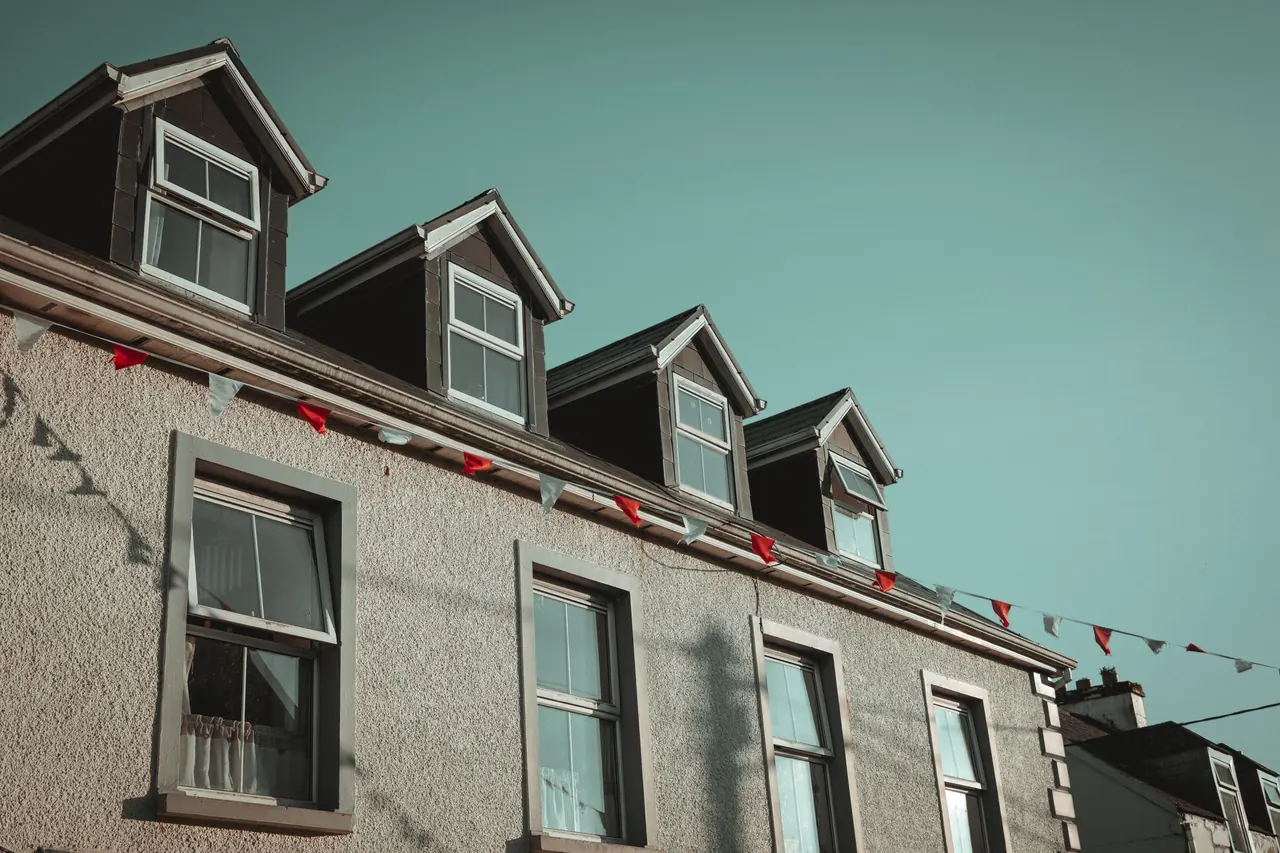
The Elder Road houses were built with prefabricated methods in 1947 and 1948. Where a post-war house like these has plain boards and sits outside a conservation area, full replacement in uPVC is the long-term, low-maintenance choice. It comes in white, black, grey and woodgrain, and ventilated soffits keep air moving through the roof space.
The Dunbar and Dunelm estate, built by Lambeth between 1977 and 1980, is a different case. Lambeth's 2020 draft appraisal proposes adding the whole estate to the West Norwood conservation area, citing its take on a traditional roofscape and its sensitive response to the cemetery beside it. There, we match the existing roofline material, colour and profile, and suggest checking with Lambeth before changing how the eaves look.
Capping, where a thin uPVC board goes over the existing timber, is cheaper but only works when the timber underneath is completely sound. Over rot it hides the problem rather than fixing it, so we check the boards first.
For a guide, Checkatrade's fascia and soffit guide puts replacing fascias and soffits at £90 to £170 a linear metre. Ours is priced after we have measured and checked the timber behind.
From survey to new boards
We survey the boards, soffits, gutters and roof edge first. When the work starts, the gutters and old boards come down, we check the rafter ends behind and deal with any rot, and the new or repaired fascias, soffits and bargeboards go up. The gutters go back on and are connected to the downpipes, and the old materials are taken away.
Because the gutters have to come down anyway, it is often the time to renew them; see our gutter installation in West Norwood. If a leaking gutter caused the rot, our gutter repairs page covers the fix, and our main fascias and soffits page has more on materials.
Frequently asked questions
Can you keep the deep bracketed eaves on my Chestnut Road villa?
Yes, that is the aim. We repair the sound timber and replace only the rotten sections in matching sizes, so the depth and line of the eaves stay as they were.
The carved bargeboard on my Lancaster Avenue gable has rotted at the foot. Does the whole board have to go?
Not always. If the rot is confined to the lower end and the rest is sound, a repair can save the original carving. We check along its whole length before deciding.
Why has the soffit dropped at the corner of my house near the cemetery?
Corners are where water from the gutter collects and where the timber joints are weakest. Once the wood rots, the soffit loses its fixing. We replace the rotten section and look for the leak that caused it.
What colour uPVC suits an estate house off Elder Road?
White is the most common, but black, grey and woodgrain are all available. We can match neighbouring houses so the terrace or pair still looks consistent.
My house on Dunelm Grove needs new boards. Can I change them to white uPVC?
Check with Lambeth first. The council has proposed bringing the estate into the conservation area to protect its roofscape, so we would normally replace like for like and keep your eaves matching the houses either side.





