



 Google reviews

What Dunbar Street lost
Nos 1 to 11 Dunbar Street, just off Norwood High Street, are semi-detached model cottages built in 1865 by the Lower Norwood Cooperative Building Company. Lambeth's conservation appraisal records that their chimneys were removed, probably around 1980, and calls the loss regrettable.
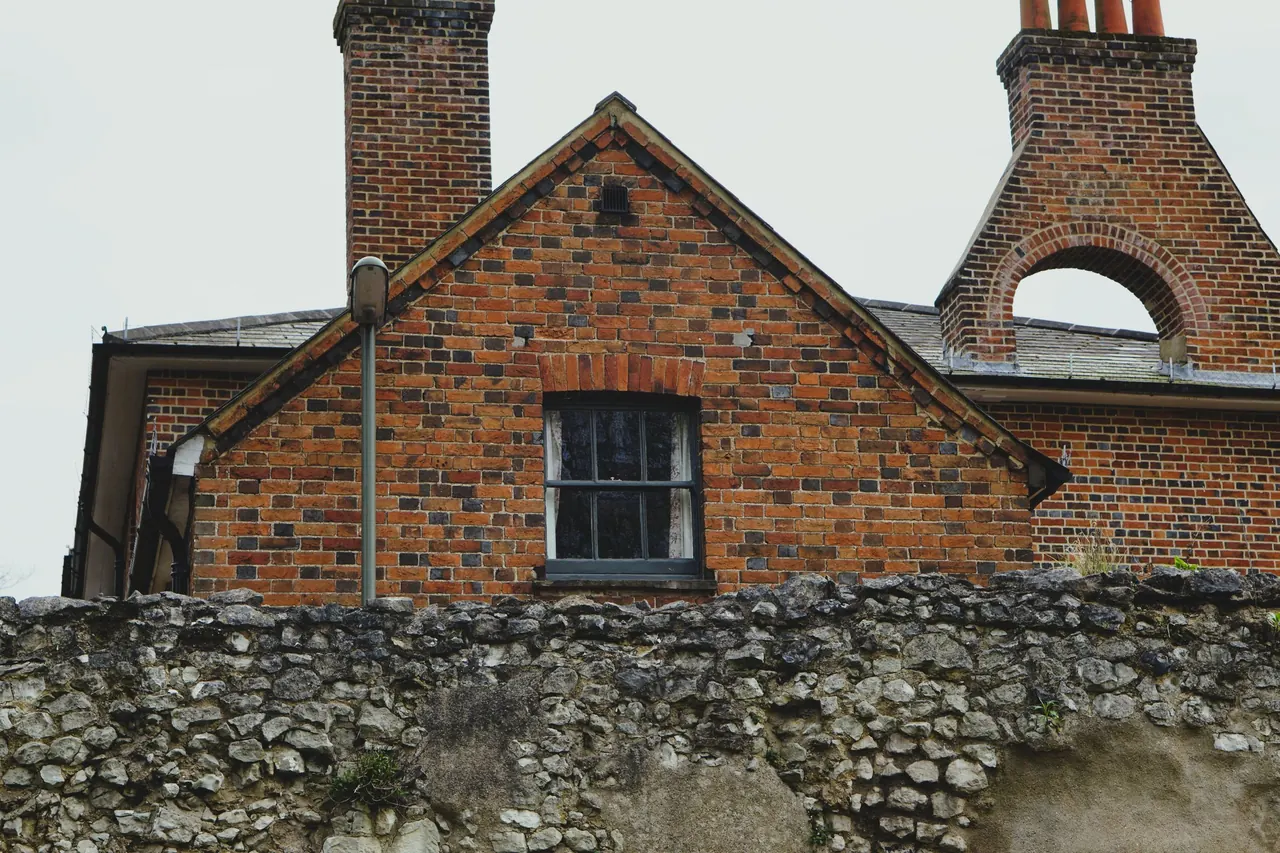
That is what tends to happen when a stack is left to deteriorate until removal looks like the only option. Most of West Norwood's Victorian houses still have their chimneys: brick stacks to match the house, with traditional copings and terracotta pots. Kept in repair, they shed water and stand for another century. Neglected, they let water into the house below and become a hazard over the pavement.
Broad stacks on Lancaster Avenue's party walls
On Lancaster Avenue, the 2017 appraisal describes large, broad chimneystacks rising from the party walls, giving the street its rhythm. Chestnut Road's early villas have prominent chimneys too, and no. 8, of around 1850, has decorative ones. Along Norwood Road, the mid-Victorian group at 543 to 551 has prominent chimneys behind its parapets.
A stack on a party wall serves two houses, and its flashing and pointing work as one. Repair only your side and water can still get in where the two halves meet, so it is worth talking to next door before work starts. We are happy to show both households the drone photos so you can decide together.
Flashing, pointing and pots
Lead flashing. The lead where the stack meets the slate is where most chimney leaks start. It lifts in wind, splits with age, or comes away where the mortar holding it into the brick has crumbled. Old repairs with sealant or a cement fillet often look fine from below but let water in during heavy rain.
Pointing and brickwork. Soft London stock brick and old mortar on an exposed stack weather slowly over a century. Once the joints open, water soaks into the brick and down into the house. Repointing in a suitable mortar lets the stack shed water again.
Flaunching and pots. The mortar bed holding the pots on top cracks with age. Water then gets into the stack, and the pots can work loose. On Norwood Road and Knights Hill, where stacks stand above a busy pavement, a loose pot should not wait.
Disused flues. An open pot on a flue no longer used lets rain straight down. A cap or ventilated cowl keeps it out while letting the flue breathe. A flue still used for a stove needs a cowl made for a working flue, so we check which you have first.
Getting up to a stack safely
We start with the drone. It gives close photos of the flashing, pots and top courses that nobody can judge properly from below, and it tells us whether scaffolding is needed before we price. We also look in the loft around the base of the stack where we can.
Smaller jobs, such as refixing a section of flashing or resetting a pot, can often be done from roof ladders with proper safety kit. Re-leading the whole stack, full repointing or rebuilding the top courses usually needs a scaffold round the chimney. For a sense of cost, MyJobQuote's leadwork guide gives £150 to £250 for a patch repair to chimney flashing, with access on top where a scaffold is needed.
Our main chimney repairs page has more detail, and the chimney maintenance guide covers what to check each year. If the slates around the stack have slipped as well, we can deal with them on the same visit through our West Norwood roof repair work.
Frequently asked questions
The stack on my Norwood Road shop is above the pavement. How would I know it is unsafe?
Cracked flaunching, a pot leaning out of line, or bits of mortar on the pavement are all signs. A drone look shows the top of the stack clearly, and if anything is loose we deal with it first.
Can you rebuild the top of a decorative chimney on Chestnut Road to match?
Rebuilding the top courses is part of what we do. We reuse the original bricks where they are sound and match the rest as closely as we can, so the stack keeps its look.
Bits of mortar keep landing in the front garden of my Robson Road cottage. Is that the chimney?
Very often. The flaunching that holds the pots on top cracks with age and breaks away in pieces. Left alone, the pots work loose and water gets into the stack, so it is worth having the top reflaunched before winter.
Does re-leading a broad Lancaster Avenue stack need scaffolding?
Usually, yes. A full re-lead or repoint on a wide party-wall stack is done from a scaffold round the chimney, so the work can be done safely and to a proper standard.





