



 Google reviews

Side-wall downpipes across the conservation area
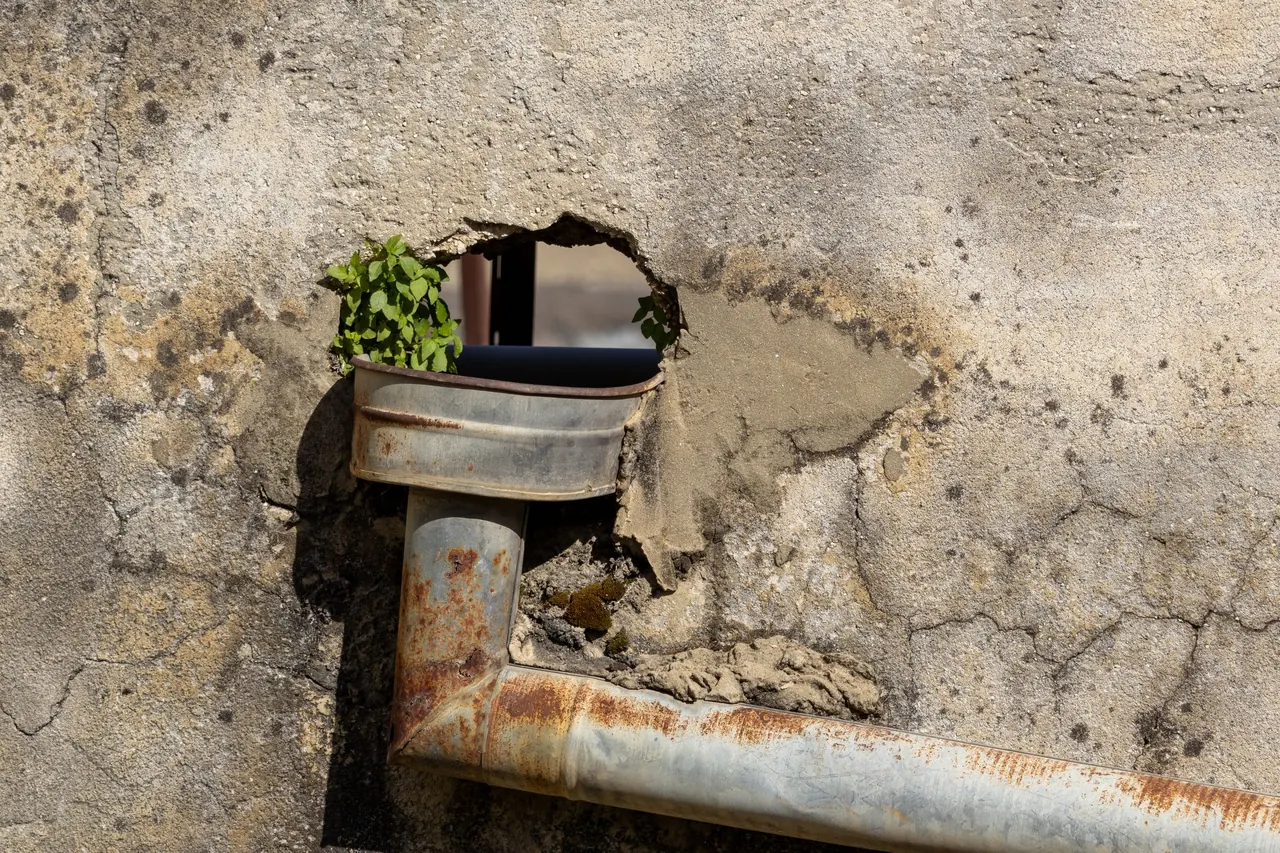
On the earlier 19th century houses in the West Norwood conservation area, the downpipes were usually placed on the side wall, so the front stayed smart and uncluttered. Houses with a parapet at the front often have no front downpipe at all, with the water taken to the back. It is a tidy arrangement, and it means the parts of the system most likely to leak are the ones nobody looks at.
A side passage beside a villa on Chestnut Road, or the gap between a pair of semis on Lancaster Avenue, is not somewhere people stand and look up. A cracked downpipe, a joint that has opened at the swan neck, or an offset that has slipped can pour water onto the same patch of London stock brick every time it rains. Soft stock brick soaks it up, and the first sign indoors may be damp on a wall or a musty corner of a room.
Iron and plastic on SE27 terraces
West Norwood's Victorian houses were built with cast iron gutters and downpipes. Over a century or more, lengths have cracked or rusted through and been replaced one at a time, often in plastic. On a lot of terraces now, a run can be part iron, part uPVC, joined with adaptors and sealant that were only ever a stopgap.
Those mixed joints are where the drips usually start. Add brackets rusted into soft timber fascias and the weight of wet leaves from the cemetery and churchyard trees, and a run sags, holds water in the dip, and overflows at the low point. If water is running down the wall behind the gutter rather than over the front, our article on water leaking behind a gutter explains the likely cause.
Where most of the iron is sound, repairing it is usually the better choice, and in the conservation areas it keeps the house looking right. Where it has rusted through in several places, we will tell you, and quote for new gutters in West Norwood instead.
Putting the run right
- Joints: dried-out seals between uPVC sections, and leaking joints on cast iron, are cleaned and remade.
- Brackets: loose or rusted brackets are replaced and the run reset, which is what stops a sag coming back.
- The fall: where water sits in one spot, we reset the slope towards the outlet.
- Damaged lengths: a cracked length can often be swapped on its own, matched to the rest of the run.
- Downpipes: cracked, split or disconnected pipes on the side or back wall are replaced or reconnected so the water goes into the drain, not down the brick.
We look along the whole run, not just the drip you called about, because a failed bracket further along is often the real cause. If the fascia behind has gone soft, we can replace it in the same visit through our fascias and soffits in West Norwood.
Several faults, one ladder
We check the gutters, brackets, downpipes and the fascia behind, front, back and side, then tell you what we found and what it will cost. As a guide, MyJobQuote's gutter repair figures put resealing a leaking joint at £60 to £150 a job, and much of that is the cost of getting someone out, so it is worth fixing several faults in one visit. The main gutter repairs page covers the repair-or-replace question in more detail.
Frequently asked questions
The side wall of my house off Chestnut Road is damp below the downpipe. Is the pipe to blame?
Very often. A crack on the back of the pipe, facing the wall, or a loose joint at the swan neck can wet the brick without anyone seeing it. It is a quick thing to check.
Can you reach the downpipe in the narrow side passage between two Lancaster Avenue semis?
Usually, yes, with ladders set up in the passage. If it is too tight or too tall to work safely, we tell you what access is needed before we price.
My gutter near the cemetery sags every autumn. What is going wrong?
Usually loose brackets and a run overloaded with wet leaves. We refix or replace the brackets, reset the fall, and suggest regular clearing so it does not come back.
Water drips where the old iron gutter meets a plastic length on my Robson Road cottage. Can that joint be fixed?
Usually, yes. Those joins were often made with sealant or a loose adaptor. We remake it with a proper adaptor for the two profiles, or swap the odd length so the run matches, and check the brackets either side while we are there.





