



 Google reviews

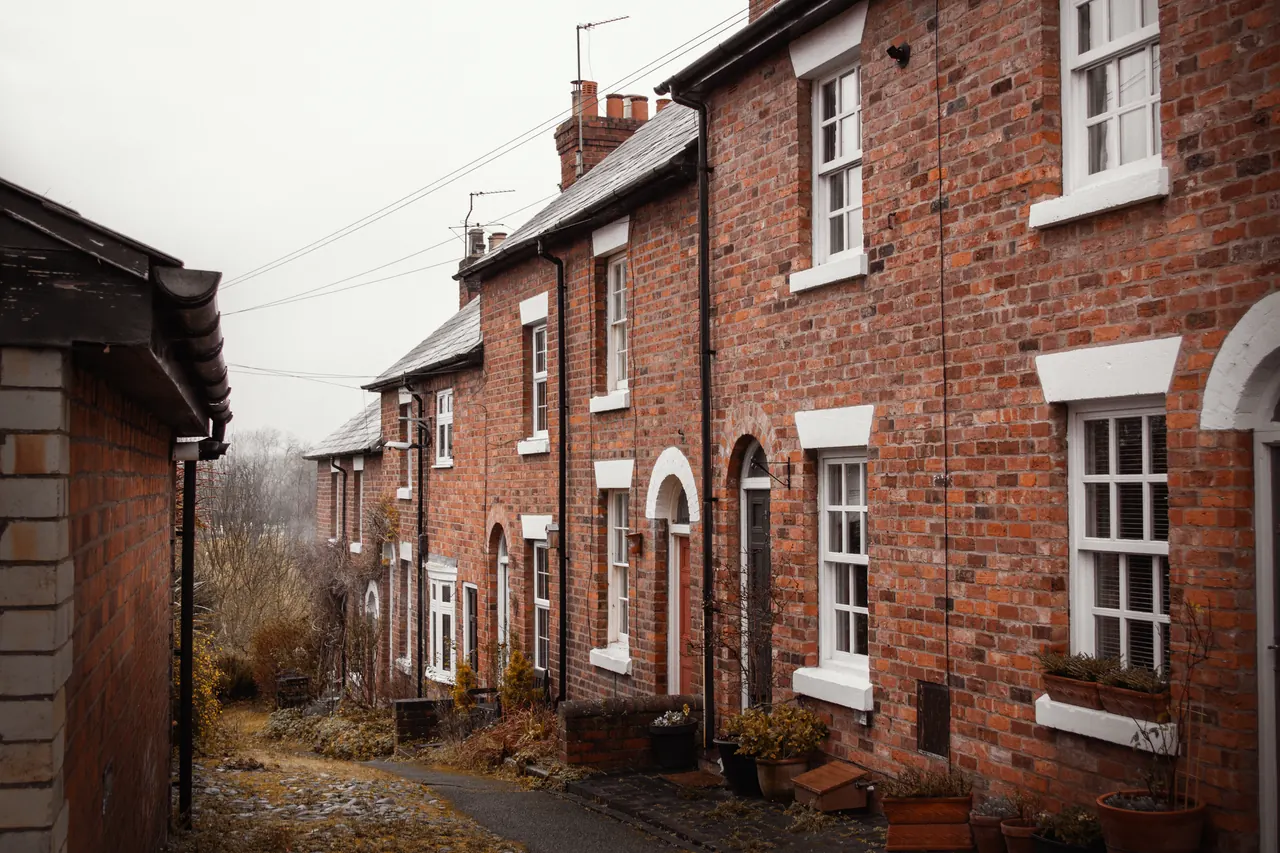
Eaves that step down Gipsy Hill
On Gipsy Hill and the roads that fall away from it, the houses step down the slope, so a terrace's gutters cannot simply run in one line. Each eaves sits a little lower than the one above, so each gutter run has to be set to its own fall towards its own outlet, roughly 1 in 600 as a rule of thumb, and not lined up by eye with the neighbour.
The joint between two houses at different levels is where new and old systems most often fail. A stop end on the uphill house that drips onto the downhill house's gutter, or a run that was shortened to meet a step and now falls the wrong way, will undo a new installation in its first winter. We sort out where each run starts, stops and drains before anything is ordered.
Downpipes on Norwood Ridge clay
The Norwood Ridge is London Clay, capped on its highest parts by sandier beds. Clay drains slowly, so a soakaway that would work on gravel can fill and overflow here. Water that leaves a downpipe at the wrong point does not stay put. It runs down the path, collects against the back wall of the house, or crosses the boundary into the garden below.
When we fit new gutters, the downpipes are part of the job. We check that each one discharges into a working gully or drain connection, and if a pipe has been emptying onto a path or into a broken gully for years, we point it out so the drain can be repaired at the same time. On a converted house, where a downpipe lands also decides whose gully it feeds, so it is worth agreeing positions with the other flats before the new run is fixed. Moving a pipe later means new brackets, new holes in the brick and often a new offset.
Cast iron fronts and plainer backs
- Cast iron. Heavy and long-lasting if kept painted. On the front of a Victorian house inside the Gipsy Hill Conservation Area it is usually the right match for the street.
- uPVC. Light and low in upkeep. It suits later houses and many rear elevations that cannot be seen from the road.
- Aluminium. Long-lasting and available in coated colours, including seamless runs on long, plain eaves.
Profile matters as much as material. Half-round and ogee are the common shapes on older houses. Where a house has brick eaves and no fascia, the brackets go into the rafter feet or sound mortar joints instead. If the boards behind the gutter are rotten, we can replace them on the same visit through our fascias and soffits work in Gipsy Hill.
Fitting a run that ends at a step
We check the fixing surface, set brackets at the right spacing so the run cannot sag, set the fall run by run, and connect every downpipe to its drain. Each joint is made properly so the run works as one system. For fewer joints on a long rear run, see seamless gutters in Gipsy Hill. Lifespans for each material are compared on our gutter installation page.
Frequently asked questions
My house is lower down the slope than next door's. Can my new gutter be fitted without changing theirs?
Yes. Your run is set to your own eaves and outlet. Where the two houses meet, we finish your end so their water is not dropped onto your gutter, or agree a shared outlet if that suits both houses.
Will a new soakaway work for our downpipe on the Norwood Ridge clay?
Sometimes, but clay takes water slowly, so a soakaway needs a proper soil test and sizing before it is relied on. Where there is a working gully or drain connection nearby, that is usually the safer place to send the water.
We want cast iron back on the front of our Gipsy Hill house. Will the old fixings take the weight?
Not always. Cast iron is far heavier than plastic, so we check the fascia or the brick at every bracket point first. Soft timber is replaced and crumbling joints repointed before the new run goes up.





