



 Google reviews

Tall fronts above Gipsy Hill's steep pavements
The upper end of Gipsy Hill sits on the Norwood Ridge, some of the highest ground in London, where houses near the crest catch more wind than those lower down. Further down the slope the tall Victorian fronts and stacks stand above pavements that fall away steeply.
That combination is what makes a storm here more than an inconvenience. A slate that slips from a three-storey eaves, or a pot that works loose on a tall stack, has a long way to fall and lands on a footway people are walking up and down. In a house split into flats, the water that follows usually arrives in the top flat, often in a room under a valley or beside the stack.
Before anyone reaches the roof
- If anything is falling from the roof, keep people off that stretch of pavement and away from that side of the house.
- Catch the water, move what you can out of its way, and turn off power to any part of the flat where water is reaching electrics, if you can do that safely.
- Photograph the damage inside and, from a safe spot, outside. Insurers will ask for it.
- Stay off ladders. On a steep street in wind and rain, a ladder that would be risky anywhere is worse here.
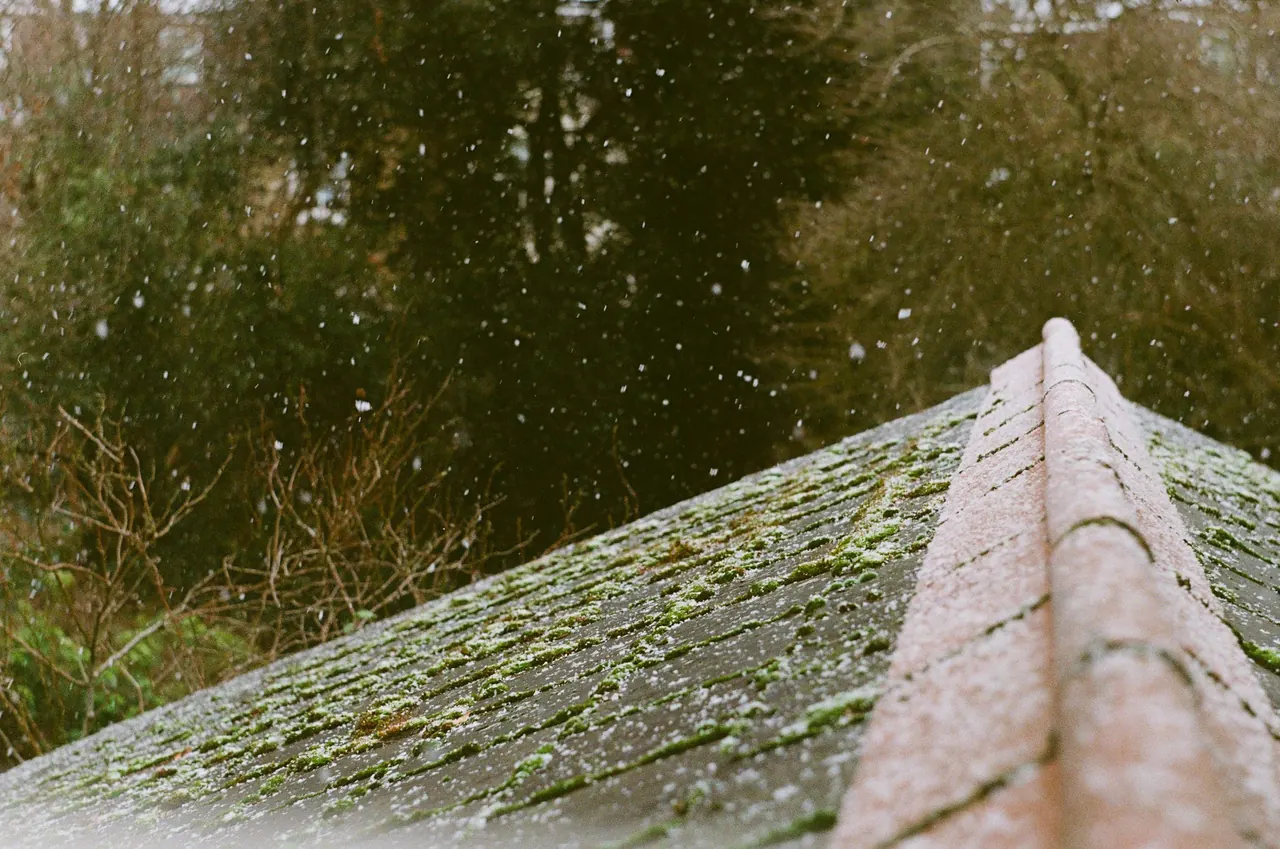
Loose pots and slates over a sloping footway
Ring 0330 133 4111 at any hour. We are based in Morden, on the other side of south London, so tell us what you can see and we will talk you through what to do in the meantime.
Once we are there, the first job is to remove the danger and stop more water coming in. On the hill that often means taking down or refixing a loose pot before anything else, then refixing slates, sheeting an open section or clearing a valley that is overflowing into the house. Where a ladder cannot be footed safely on a sloping pavement or garden, a roof ladder from a dormer or a quick tower may be the safer route, and we will explain the choice.
In high wind, the sensible course is often to make the roof watertight and come back for the permanent repair once the weather settles. You get a written note of what we did and what is still needed. Stack damage is followed up through our Gipsy Hill chimney repairs, and a slow leak that is not dangerous is often better booked as a normal roof repair.
Converted villas and shared roofs
Many of the large houses on Gipsy Hill and the roads around it are now divided. When the roof fails at night, the top-floor leaseholder is the one with the bucket, but the roof belongs to the freeholder or to everyone together. Let the freeholder or managing agent know as soon as you can. Insurers normally expect reasonable steps to stop further damage, so check your policy, but do not leave a dangerous roof waiting on a reply.
Once things are calm, our article on spotting roof damage after a storm explains what you can check safely from the ground. What an emergency visit covers is set out on our emergency roof repair page.
Frequently asked questions
A gale on Gipsy Hill has blown ridge tiles into our garden. Can the roof be kept dry until the full repair?
Usually, yes. The open ridge can be covered or temporarily bedded, and any loose slates refixed, so the roof stays watertight. The permanent repair, with matching ridges and fresh mortar, follows once the weather settles.
A pot is rocking on the stack of our converted house and the freeholder is not answering. Can you still come?
Yes. A loose pot over a pavement is a safety risk, and making it safe should not wait. We record what we did with photos so the freeholder and insurer can see why the work was needed.
Can you reach the back of a house on the downhill side of Gipsy Hill, where the garden drops away?
Usually, yes. If a ladder cannot be footed safely, we work from a roof ladder or a small tower. If the damage is too high to reach safely in the dark or the wind, we help make the inside safe and come back as soon as it is safe to work.





