



 Google reviews

Storm damage behind a Selhurst terrace
Most of a Selhurst terrace roof faces the back: the main rear slope, the narrow back wing and the valleys where it meets the house and next door's wing. On a roof this age, iron nails rust through long before the slate wears out. In a gale a loose slate lifts, the wind gets under the next one, and a gap opens on a slope nobody can see from the pavement.
That is why the first sign is so often inside the house. Water comes through a back bedroom ceiling, or a slate turns up in the garden after a windy night. Without a side passage, the back of the roof may not be easy to check from the ground either.
If water is coming in, call 0330 133 4111. We answer at any hour.
Falling slates on Selhurst's narrow footways
The front of a Selhurst terrace has a different problem. Many streets here are tight. Croydon's heritage review records that on Henderson Road the footways are very narrow and run directly against the house fronts. A slate or a piece of chimney pot that comes off a front slope lands where people walk. If something has already fallen, keep people clear of the front of the house and tell us when you call, because loose material above a pavement is the first thing we deal with.
Shared stacks are the other worry in high wind. A pot with failed flaunching can rock loose, and on a terrace the stack straddles two houses, so it is worth letting your neighbour know. If anything looks unstable, keep everyone out of the rooms beneath the stack and stay out of the loft.
Inside, keep water away from electrics, catch what you can, and take photos of the damage from inside and from the ground. Stay off the roof and off ladders. If anything feels dangerous, call the emergency services first.
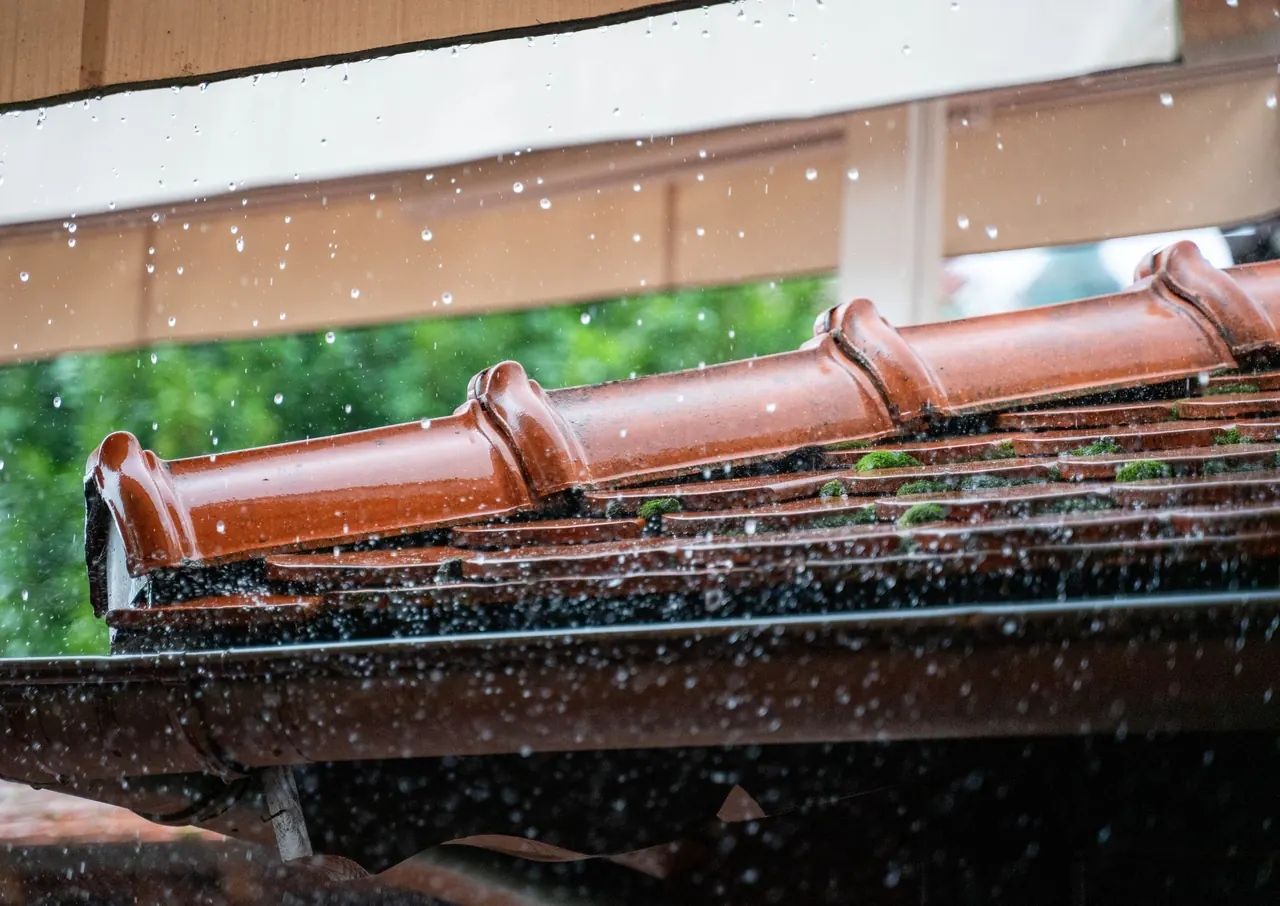
Back wings, valleys and kitchen extensions in a downpour
What we do depends on what has happened. It might mean refixing or replacing slates that have lifted, sheeting an open section of the rear slope, taking down loose pieces of pot or brick that could fall, clearing a blocked valley that is pouring water into the back wing, or sealing a split in the felt over a kitchen extension.
When the weather allows, the permanent repair can sometimes be done on the same visit. In driving rain or high wind, we make the roof watertight and safe first and come back to finish once conditions are right. Either way, you get photos of what we found and a clear price for anything still to be done.
Follow-up work on slopes, valleys and ridges goes through our Selhurst roof repairs. Damaged stacks go to our chimney repairs team, and a split extension roof can be re-covered through our flat roofing service in Selhurst.
For storm damage, tell your home insurer as soon as you can. Policies commonly cover sudden storm damage but not gradual wear, and insurers generally expect you to stop further damage, so do not hold off urgent work while you wait. Keep the photos and any broken slates. Our main emergency roof repair page explains more about callouts.
Frequently asked questions
Slates have come off the back of our terrace near Selhurst station and there is no side passage. Can you reach them?
Usually, yes, from the roof itself using roof ladders, with access agreed with you through the house or garden. If we cannot see the damage safely in the dark or the wind, we make the inside safe first and check the rear slope as soon as conditions allow.
A slate has landed on the pavement outside my terrace. What should I do first?
Keep people away from the front of the house and call us. One slate down often means others are loose, and on a narrow footway they fall where people walk. Do not try to clear anything from the roof yourself.
Water is pouring in under the valley between our back wing and next door's. Is that an emergency?
Yes, if it is coming in now. A valley that is blocked or split can put a lot of water into the house very quickly. Call us, keep the water away from electrics, and let your neighbour know, as their side may be affected too.
Can you make a split felt roof on a back extension watertight in the rain?
Usually, yes, as a temporary measure. A permanent re-cover needs dry weather to lay, so we seal the split or sheet the roof now and come back to replace it properly.





