



 Google reviews

Coal-fire stacks on station-era terraces
Selhurst station opened in 1865, and much of Selhurst's terraced housing followed it. Those houses were heated by open coal fires, so almost every one has a stack, usually on the party wall and shared with the house next door. Most of the fireplaces have long been closed up, but the stacks are still there, taking the weather from all four sides.
A century and more of coal smoke and rain leaves its mark. Mortar joints wear and wash out. The flaunching, the mortar bed round the pots, cracks and lets water straight down. Lead flashing where the stack meets the slates lifts or splits. A stack can also lean, which often comes from the mortar on one side being attacked by flue gases over the years and swelling.
Older terraced stacks often carry earlier patch repairs in mastic or cement around the base. They can look fine from the street and still let water in when rain is driven against them. We take those out and weather the joint properly in lead, with soakers or a stepped flashing as the roof needs.
Where Henderson Road's partition walls meet the stack
The 1895 maisonettes on Henderson Road have brick partition walls standing proud of their slate roofs, a feature the council's heritage review picks out. Where a stack stands on or beside one of those walls, more joints meet in one place: the stack, the partition wall and the slates. A damp patch in a top-floor room next to the party wall can come from any of them.
So we check all three before deciding what to repair. Because the council prizes how intact that terrace is, a repair in lead that keeps the brickwork as it is respects that far better than a smear of cement. The same approach suits any Selhurst terrace where the party wall rises above the roof.
For stacks you no longer use, a ventilated cap or cowl keeps rain and birds out while letting air move through the flue. A flue still used for a fire or stove needs a cowl or guard designed for a working flue, so we check how each one is used first. Our chimney maintenance guide covers the checks worth doing each year.
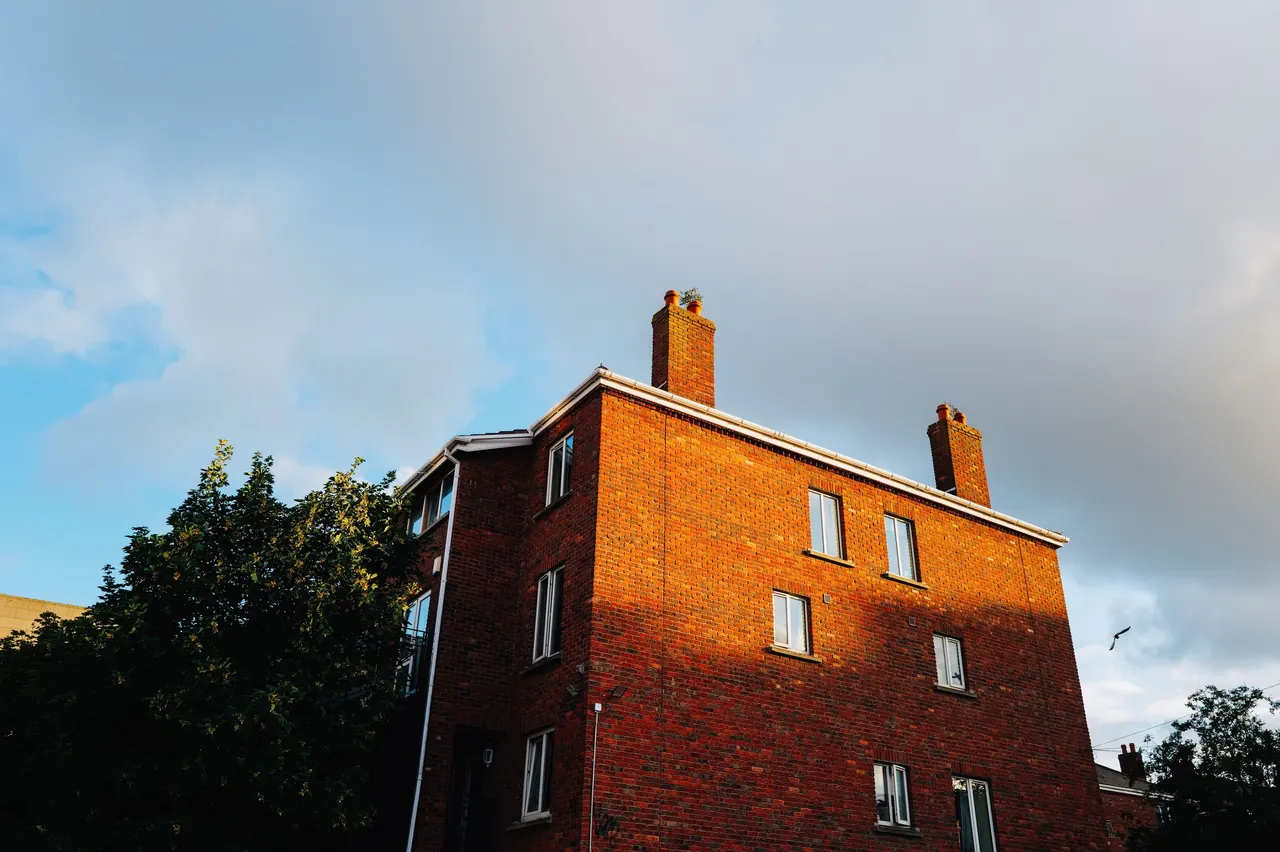
Getting at a stack on a narrow Selhurst street
Small jobs, such as resetting a pot, refixing a section of flashing or fitting a cowl, can often be done from roof ladders. Re-leading the whole stack, full repointing or rebuilding the top courses usually needs a scaffold round the chimney. Where the footway is narrow, that can mean building the scaffold from the back garden rather than standing it on the pavement.
Before we price, a drone can photograph the pots, flaunching, brickwork and flashing close up, so you can see what needs doing and whether a scaffold is needed. If you want the whole roof checked at the same time, book a roof inspection in Selhurst.
As a guide, MyJobQuote's chimney flashing guide lists a patch repair to lead flashing at around £150 to £250 nationally. If the slates around the stack have slipped too, our Selhurst roof repair team deals with them on the same visit, and our main chimney repairs page has more detail on each kind of job.
Frequently asked questions
The flashing on our Henderson Road maisonette has lifted. Does the heritage status change the repair?
Not the consent. Local Heritage Area status adds no extra permissions for a like-for-like repair. It is a good reason to repair in lead and keep the brickwork and slate as they are, rather than patching with cement.
The stack on our terrace near Selhurst station leans slightly. Is it about to fall?
Not necessarily. A slight lean often develops slowly over decades. It still needs a proper look, because a lean that is getting worse, or loose bricks and pots at the top, can make the stack unsafe. We photograph it and tell you whether it needs rebuilding.
The stack on our back wing is lower than the main one. Does it need the same work?
It needs the same checks. Back-wing stacks sit lower and are easy to forget, but they have the same flashing, pointing and pots, and they often drain onto the valley beside them.
Can you show me the stack before any scaffold goes up?
Yes. A drone gives close photos of the whole stack from every side, so you know what the job involves before committing to scaffolding.





